


Quick Guide: Which Reformer Model Suits Postpartum Recovery Best?
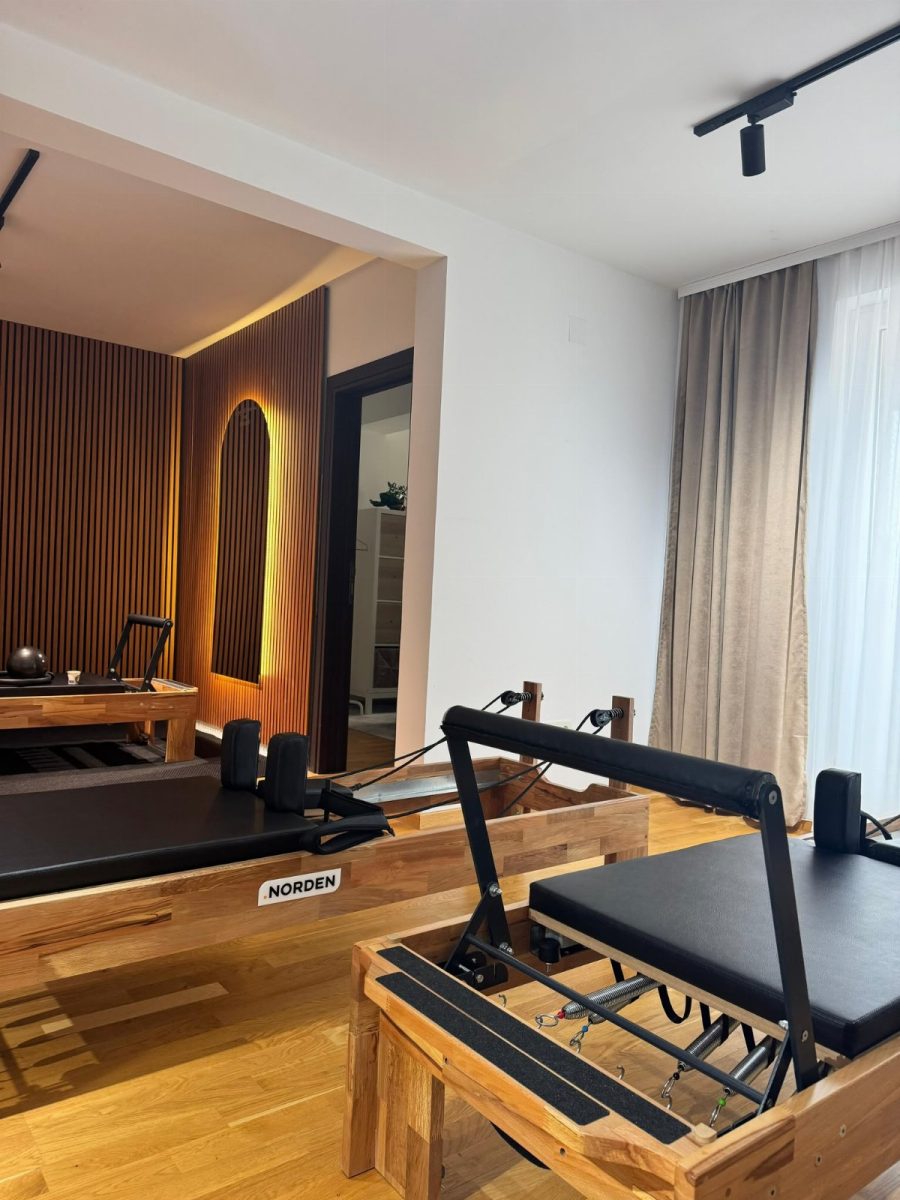
Basic Reformer (see the current price on the product page): If you'll be doing light, rehabilitation-focused work at home and don't need a tower system, this model is ideal for you. The complete set, including Box and Jump Board, is enough for pelvic floor activation and gentle resistance-based movement sequences.
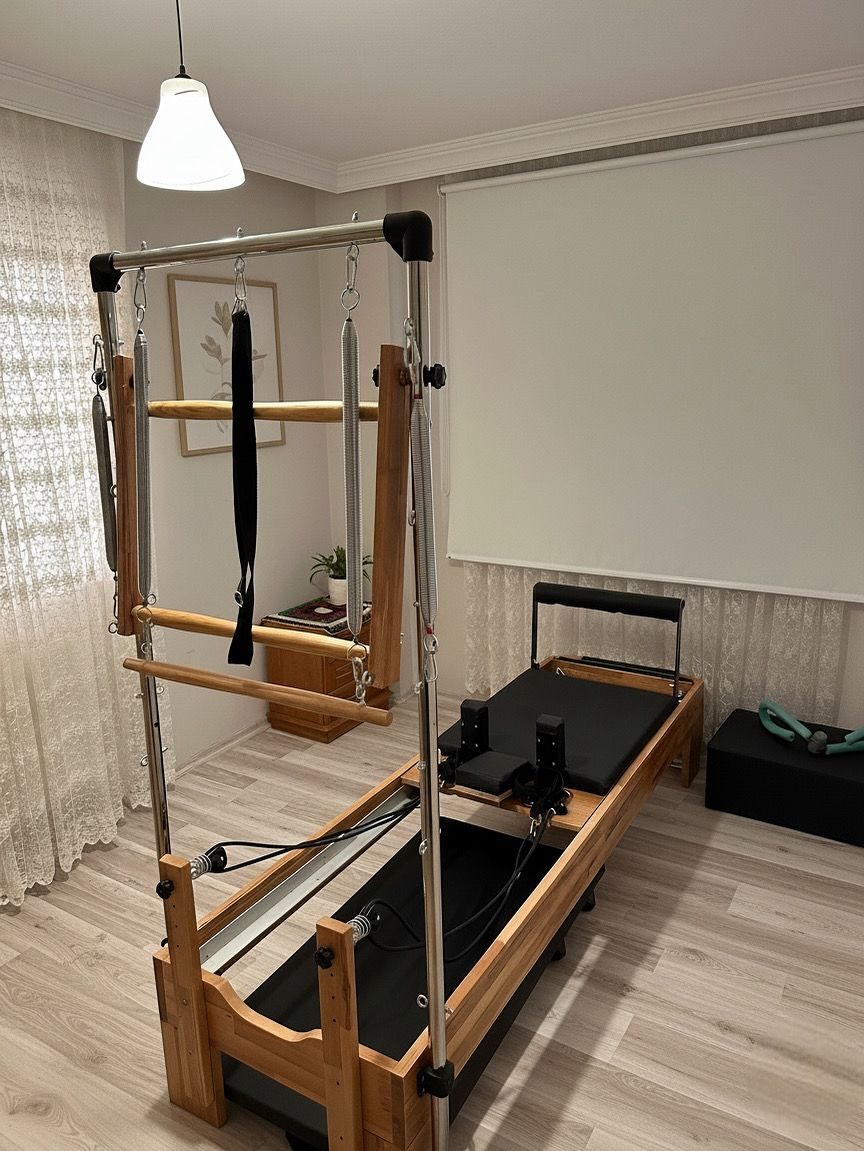
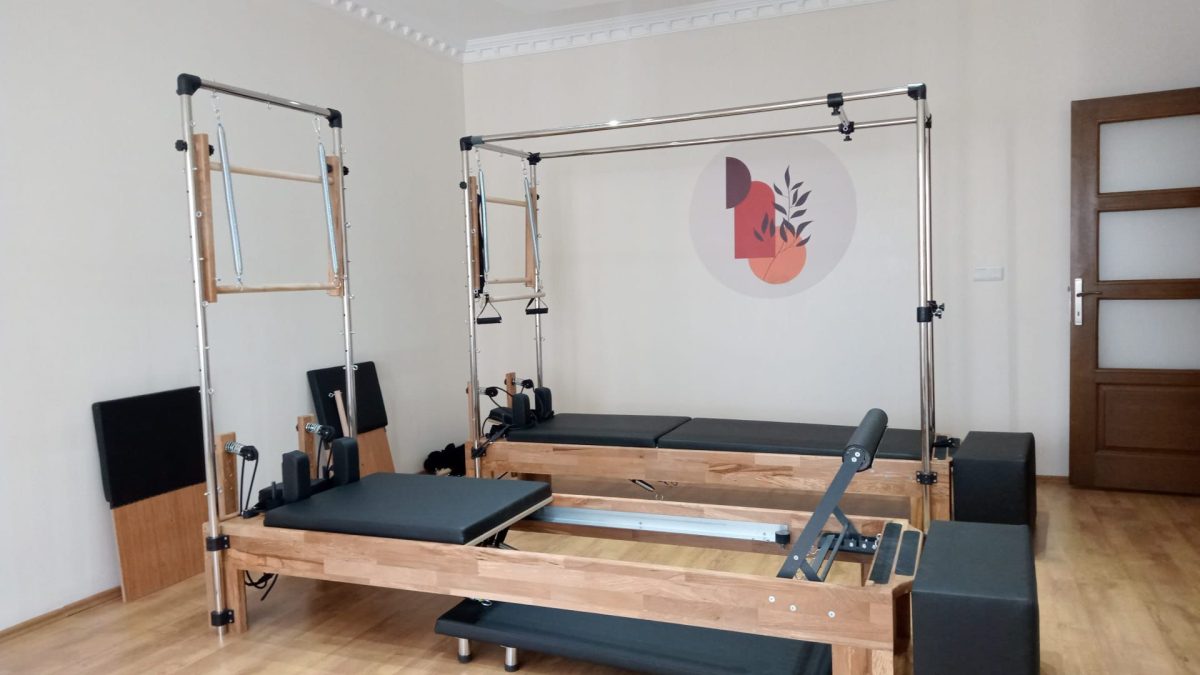
Tower Reformer (see the current price on the product page): If you want to expand your postpartum core stabilisation and upper-body strengthening work with single-sided tower support, this option suits you. The 304 chrome-steel tower allows for vertical movement variations.
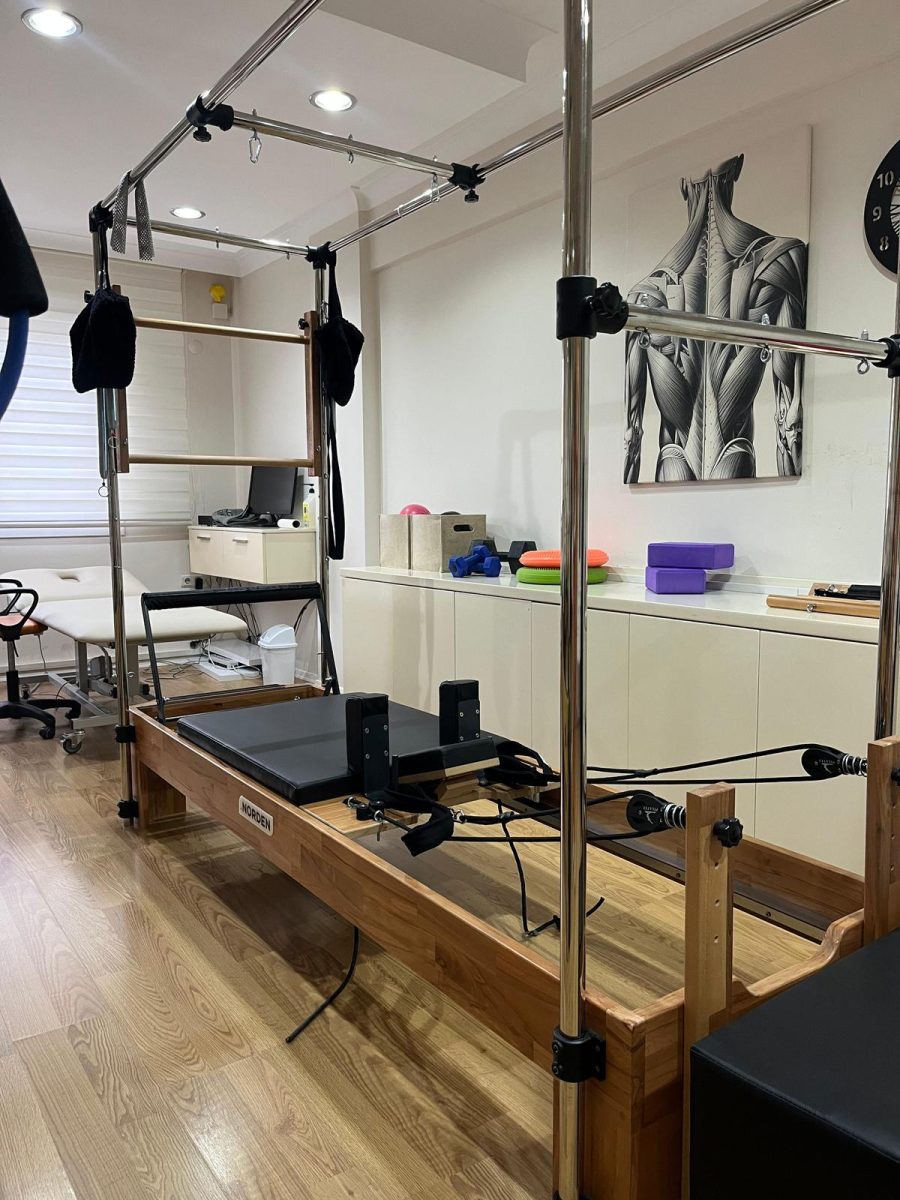
Combo Cadillac Reformer (see the current price on the product page): If you'll be following professional rehabilitation protocols with a physiotherapist or designing clinical-level pelvic health programmes, this fully caged model is essential. With multiple attachment points such as the trapeze bar and push-through bar, it offers unmatched flexibility for diastasis recti treatment and advanced posture correction.
Anatomical and Hormonal Changes After Birth: Why You Shouldn't Rush
Childbirth triggers multi-layered anatomical and biochemical changes in a woman's body, with particularly deep effects on the pelvic floor muscles, abdominal fascia integrity and spinal stabilisation mechanisms. This is why, before starting movement training on a postpartum Reformer, you need to respect your body's own natural healing process.
The relaxin hormone, which rises throughout pregnancy, softens connective tissue and reduces joint stability. This hormone level doesn't drop immediately after birth; in breastfeeding mothers especially, it can remain elevated for at least six months. This means increased joint hypermobility and a higher risk of injury. Likewise, healing from pelvic floor tearing or an episiotomy scar takes six to eight weeks on average. Incorrect loading on any Reformer during this period can delay healing and even set the stage for chronic pelvic pain.
Fascial Healing After a Caesarean Birth
In mothers who have a caesarean birth, the surgical incision cuts through seven separate tissue layers in the abdominal wall. Skin, subcutaneous fat, fascia, muscle fibres, peritoneum and the uterine wall are incised in sequence. Full healing of these layers and the scar tissue regaining its elasticity can take up to twelve weeks. During this time, you need to avoid movements that increase intra-abdominal pressure. On a Reformer, this category includes plank positions, heavy-spring leg press variations, and Jump Board work. Loading insufficiently healed scar tissue this way can cause adhesions and lead to long-term postural compensations.
Pelvic Floor Tone Loss After Vaginal Birth and Why It Matters
After a vaginal birth, there is a noticeable loss of pelvic floor muscle tone and reduced proprioceptive sensitivity. Damage to the levator ani muscle complex, pudendal nerve injury and overstretching of the perineal tissue all set the stage for pelvic floor dysfunction. Moving on to resistance-based Reformer exercises before neuromuscular control has been re-established increases the risk of incontinence, pelvic organ prolapse and chronic pelvic pain. Focusing first on isolated pelvic floor contractions and breath coordination, then progressing gradually to Reformer use, is the correct approach from both a scientific and clinical practice standpoint.
Key Medical and Functional Criteria for Starting Postpartum Reformer Pilates
There's no single timeline for starting Reformer Pilates after birth. Every mother's delivery type, pregnancy, anatomical variations and postpartum recovery speed differ. However, medical literature and clinical experience recommend that the following critical checkpoints always be met:
- Postpartum bleeding must have stopped completely: Postpartum bleeding lasts four to six weeks on average. Moderate to high-intensity exercise while bleeding continues can delay uterine involution.
- Pelvic floor and abdominal diastasis assessment must have been done: A physiotherapist or qualified instructor should measure pelvic floor strength, endurance capacity and rectus abdominis separation distance.
- Pain-free daily activity capacity: If there's no pain when climbing stairs, carrying the baby, or sitting for long periods, you can move on to controlled Reformer movements.
- Doctor's approval must have been obtained: Mothers with a history of caesarean birth, instrumental delivery or a complicated pregnancy must always be cleared by a doctor first.
- Basic breath-core coordination must be established: You need to have regained the ability to coordinate the diaphragm, transversus abdominis and pelvic floor muscles.
Once all these criteria are met, you can safely begin your postpartum rehabilitation journey with Reformer Pilates. The model usually preferred at the early stages is the Basic Reformer, because even without a tower system it allows effective pelvic stabilisation, gentle lower-body strengthening and core activation protocols.
The First Step After the Six-Week Check-Up: A Pelvic Floor Activation Protocol
Once you've been cleared by a healthcare professional at your six-week check-up, the basic protocol for your first Reformer Pilates session should be as follows:
Beginner Level: Light-Resistance Movements in a Horizontal Position
For the first two to four weeks, you should work only in a horizontal position with yellow and blue spring combinations. This low resistance prevents overloading the pelvic floor muscles while allowing neuromuscular control to be re-established. Footwork series, supine arm work and gentle bridging movements are safe choices in this category. Focusing on the eccentric contraction of the pelvic floor muscles during footwork, in particular, is critical for pelvic stability.
While lying on the Reformer, its solid beech-wood frame and substantial weight mean the machine doesn't rock or shift. This creates a sense of postural security and helps the mother learn correct motor patterns without compensating during movement. The 8-wheel system and 16 bearings also give you a quiet, fluid movement experience — a real advantage for mothers who want to train at home while the baby is sleeping.
Intermediate Level: Stabilisation in Seated and Kneeling Positions
At the end of the first four weeks, if your pelvic floor strength has increased and there's no pain or incontinence, you can progress to seated and kneeling positions. If you own a Tower Reformer at this stage, you can use its single-sided tower support for seated arm work and kneeling abdominal prep exercises. The 304 chrome-steel tower structure provides a solid reference point for resisted pull-down movements and delivers the load needed for scapular stabilisation.
An important point to watch during this stage is controlling intra-abdominal pressure. While doing chest expansion or rowing movements in the seated position, use an "elevator cue" — lifting the pelvic floor on the exhale. This lets you safely strengthen the core musculature without putting adverse stress on diastasis recti.
Using a Reformer During Diastasis Recti Recovery: An Anatomical Approach
Diastasis recti is the separation of the rectus abdominis muscles along the linea alba during pregnancy. It's a normal physiological adaptation, but if the postpartum gap is wider than two finger-widths (around 2.5 cm) and there's a loss of depth, a dedicated rehabilitation strategy is needed. A Reformer can be used both as an assessment and a treatment tool in this process.
Functionally Assessing the Separation
Diastasis recti shouldn't be assessed by distance alone; tissue tension and load-transfer capacity are also key parameters. On the Reformer, in a supine position with feet fixed on the footbar, if you bring your legs to 90-degree flexion and attempt to lift your head (a curl-up position) and notice a doming or coning along the midline, the linea alba isn't yet ready to bear load. In that case, you shouldn't move on to advanced exercises like plank, roll-up or teaser.
Instead, exercises focused on transversus abdominis activation should be preferred. On the Reformer, supine leg slide, heel raise and pelvic tilt — exercises requiring minimal trunk flexion — are effective for closing diastasis recti. Done with yellow and blue spring combinations in particular, these movements support fascial reorganisation without the risk of overloading.
Progressive Loading Strategy and Timing
Progression in Reformer use for diastasis recti rehabilitation should happen step by step over at least three months. Light load in the supine position in month one, moderate load in seated and side-lying positions in month two, and controlled, more advanced load in prone and kneeling positions in month three. If your Reformer is a Cadillac Reformer, leg spring work using the trapeze bar can accelerate healing by loading the fascial system multidirectionally.
Another point to watch is use of the Box. The Box is included as standard with the Reformer set and is specifically used for prone back extension movements. However, while diastasis recti is present, the abdominal area must be fully supported in prone positions, and excessive lordosis should be avoided.
Managing Caesarean Scar Tissue with Reformer Exercises
The scar tissue that forms after a caesarean develops not just at the skin's surface but in the deep fascial layers too. Over time, this scar tissue can form adhesions with the visceral fascia and restrict core muscle activation. A Reformer can be an effective tool for addressing this, but correct timing and technique are essential.
Suitable Movement Strategies for Scar Tissue Mobilisation
For the first twelve weeks after a caesarean, positions that create direct pressure on the abdomen should be avoided. After the twelfth week, however, controlled abdominal compression-decompression movements can be used to improve scar tissue elasticity. A knee-stretch series done on the Reformer in a semi-reclined position (with the backrest at 45 degrees) creates a light stretch-contraction cycle in the abdominal wall that supports scar mobilisation.
Side-lying leg work also activates the oblique muscles while placing minimal stress on the caesarean scar line. Mothers with a Tower Reformer can use the single-sided tower support in this position to work the upper leg against resistance while also developing core stabilisation.
Combining Manual Therapy with Reformer Work
The best results for scar tissue mobilisation come from combining manual therapy techniques with Reformer exercises. Following myofascial release and scar mobilisation techniques performed by a certified physiotherapist with active Reformer movement training accelerates tissue reorganisation. For this reason, the ideal approach to postpartum rehabilitation is using a Combo Cadillac Reformer in a clinical setting with a physiotherapist. With its full cage system allowing work at various angles and positions, this model offers the widest range of movement for scar tissue management.
Reformer Pilates While Breastfeeding: Hormonal and Postural Factors
Breastfeeding is a period in which a mother's hormone levels sit in a particular balance. While prolactin and oxytocin are elevated, oestrogen remains low. This hormonal profile affects connective tissue flexibility and can reduce joint stability. Breastfeeding postures also contribute to forward head posture and increased thoracic kyphosis.
Rib Cage and Scapular Mobility Work
A Reformer is highly effective for treating upper cross syndrome, which is common in breastfeeding mothers. The 4-position footbar system allows the body to be supported at different angles, which makes rib cage mobility exercises much easier. Seated chest expansion, kneeling arm work and supine scapular protraction-retraction movements, in particular, help lengthen the pectoralis major and minor muscles that tend to shorten during breastfeeding.
Rather than exercising right after breastfeeding, plan your Reformer session for a time when your breast tissue feels comfortable. This increases comfort and reduces sensitivity in the chest area. If you train at home and want to explore a Foldable Reformer, dedicated models are available — though a full-size, stable structure is preferable during postpartum rehabilitation.
The Effect of Relaxin on Joint Hypermobility
Since relaxin remains active during breastfeeding, there's an ongoing risk of joint hypermobility. When exercising on the Reformer, you should avoid end-range positions. For example, in long stretch or elephant positions, keep the knees and elbows in slight flexion (a soft joint position) rather than full extension — this is safer for joint health. It's also recommended to hold off on advanced movements using the green and red springs on the 5-spring resistance system until breastfeeding has ended.
Technical Comparison: Which Reformer Model Suits Postpartum Rehabilitation Best?
| Feature / Criterion | Basic Reformer | Tower Reformer | Combo Cadillac Reformer |
|---|---|---|---|
| Price | See the current price on the product page | See the current price on the product page | See the current price on the product page |
| Tower / Cage System | None | Single-sided 304 chrome-steel tower | Full cage (360 degrees) |
| Pelvic Floor Rehabilitation | Suitable (basic level) | Very suitable (intermediate level) | Excellent (advanced level) |
| Diastasis Recti Recovery Capacity | Moderate | High | Very high |
| Upper Body and Posture Correction | Limited | Good | Excellent |
| Suitability for Home Use | Very suitable | Suitable | Moderate (requires more space) |
| Clinical Use with a Physiotherapist | Limited | Suitable | Ideal |
| Box and Jump Board Included | Yes | Yes | Yes |
| Recommended User Profile | First-time mothers with basic rehabilitation needs | Mothers with a second birth or pelvic dysfunction | Mothers needing intensive rehabilitation under physiotherapist supervision |
As this comparison table shows, the ideal model for postpartum rehabilitation depends on your personal needs and budget. If you want to work at a basic level at home and have a tighter budget, the Basic Reformer will be enough. But if you'll be following a more comprehensive rehabilitation plan with professional support, you should look at the detailed differences between the Tower and Cadillac models before deciding.
Managing Postpartum Weight with Reformer Pilates: Realistic Expectations
Losing weight after birth is a priority for many mothers. Rushing this process, however, can disrupt hormonal balance and negatively affect breastfeeding. A Reformer can be an effective tool for weight management, but correct timing and intensity are crucial.
Postpartum Metabolism and Energy Balance
For the first six months after birth, especially in breastfeeding mothers, daily energy needs increase by 300–500 calories. Aggressive calorie restriction and high-intensity exercise programmes during this time can reduce milk supply and put the mother's health at risk. Reformer Pilates is a moderate-intensity resistance exercise form that, when done correctly, boosts metabolic rate without causing excessive calorie burn.
A 45–60 minute Reformer session using yellow and blue spring combinations burns around 250–350 calories, an amount considered safe during breastfeeding. Doing two sessions a week for the first three months, then increasing to three sessions a week afterwards, supports healthy, sustainable weight loss.
Muscle Mass Gain and Metabolic Benefit
Reformer Pilates contributes more to muscle mass development than cardiovascular exercise. Resistance work targeting the lower body and core, in particular, triggers lean muscle mass gain, which raises resting metabolic rate. This is especially valuable for mothers dealing with postpartum muscle tone loss.
The eccentric loading capacity of a Reformer also creates microscopic damage in muscle fibres, and the repair process burns additional energy. This mechanism creates a calorie-burning effect that continues for 24–48 hours after exercise (EPOC — Excess Post-Exercise Oxygen Consumption). This makes Reformer Pilates a long-term, effective strategy for postpartum weight management.
Material Quality and Safety: Why Solid Beech Wood and 304 Chrome Matter
When choosing a Reformer during the postpartum period, material quality isn't just an aesthetic choice — it directly affects safety and rehabilitation effectiveness. The premium-grade solid beech wood used across all Norden Reformer models offers critical advantages for postpartum mothers.
How the Heavy Frame Structure Affects Stability
Thanks to its high density, solid beech wood adds weight to the Reformer. This heavy frame prevents the equipment from shifting during single-leg movements or dynamic transitions. For mothers with reduced proprioceptive sensitivity postpartum, this minimises the risk of falls and injury.
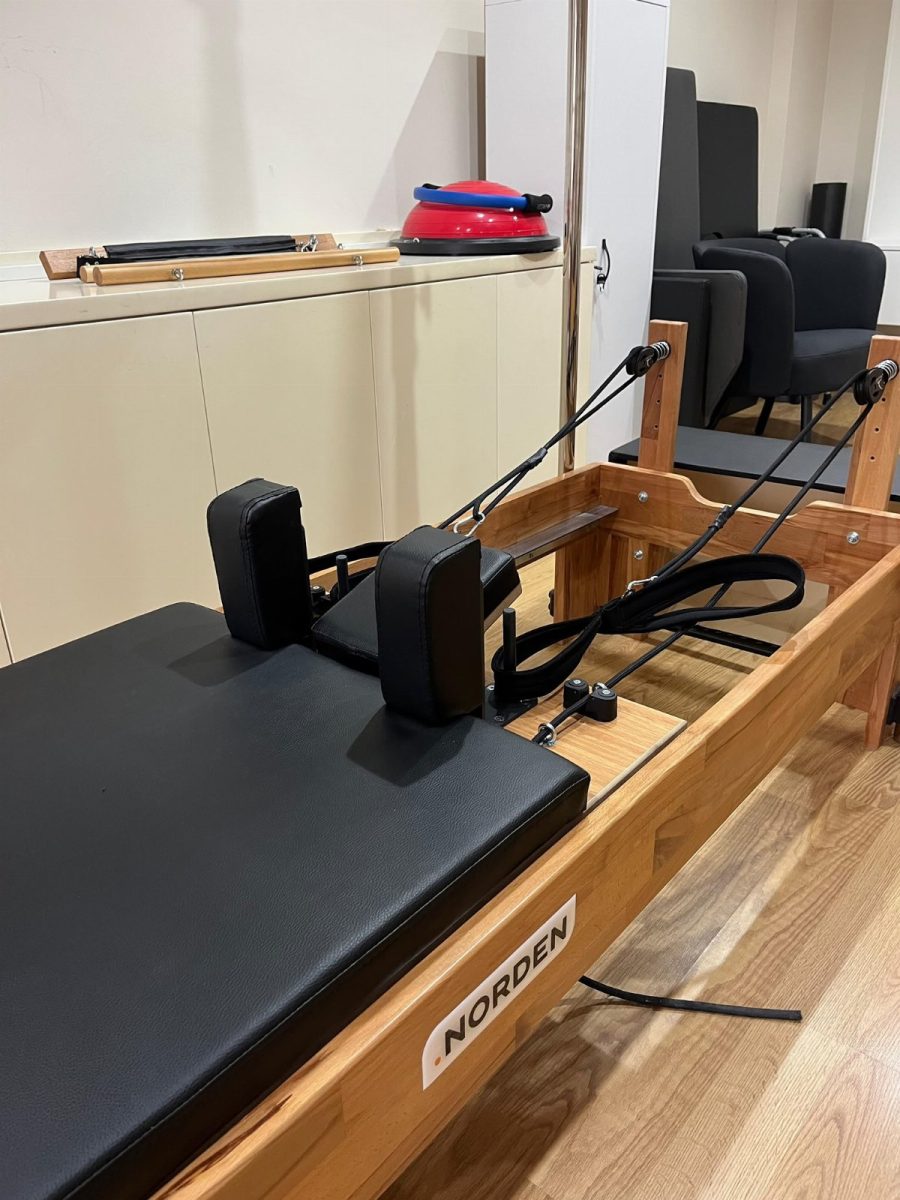
Solid wood also lasts far longer than synthetic or laminated materials. It's resistant to the moisture, sweat and spills that can happen during breastfeeding and baby care. The 4-layer specialist matte varnish applied to it penetrates the wood's pores, protecting against moisture and creating a hygienic surface.
Biomechanical Advantages of the 304 Chrome-Steel Tower System
The 304 chrome-steel construction used on the Tower and Cadillac models is rust-resistant and rigid. This matters particularly for vertically directed loads. During postpartum work, even tiny flex in the tower during leg spring work or arm work can trigger unwanted reflex contractions in the pelvic floor muscles. The use of 304 chrome guarantees zero flex, which translates to high-quality neuromuscular control training.
If you're planning a professional rehabilitation programme, you can compare prices across different models to find the best-quality option within your budget. Remember that a low-cost, low-quality Reformer poses a safety risk during postpartum recovery and reduces rehabilitation effectiveness.
Setting Up and Using a Reformer at Home: Tips for Mothers
Getting to a clinic or studio can be difficult after birth due to baby care and sleep deprivation. That's why many mothers prefer using a Reformer at home. For safe, effective home use, though, some practical arrangements are needed.
Choosing a Space and Preparing the Floor
The Reformer measures 69×240×40 cm and needs at least 3 square metres of clear space to use. If you own a Tower or Cadillac model, the tower's height (79×190 cm) means the ceiling should be at least 2.5 metres high. A firm, level floor is critical for the equipment's stability — setting it up on carpet or a soft surface can cause micro-movement.
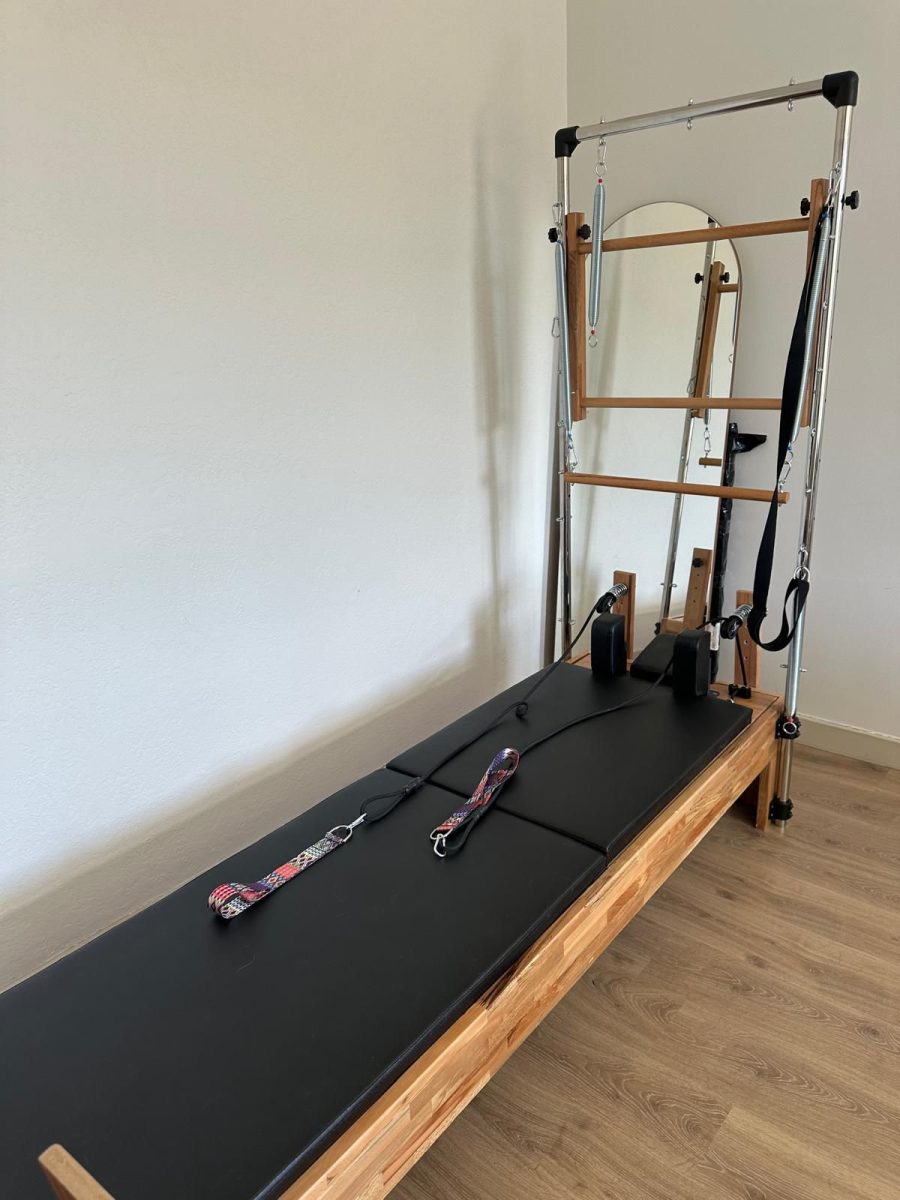
Delivery, taxes and duties are included in the price, and machines ship fully assembled — so you won't have the hassle of moving heavy equipment yourself. The carriage arrives pre-assembled; all you need to do is fit and tighten the tower section onto it. It's a simple process, and video guidance is provided. This is a huge help for mothers who are still physically tired after childbirth.
Hygiene and Maintenance Protocols
The immune system can be more sensitive in the postpartum period. Regularly cleaning the Reformer minimises infection risk. The antibacterial, premium-grade faux leather upholstery wipes clean easily with a damp cloth. Applying a silicone-based lubricant to the spring and rail mechanisms once a month also keeps the 8-wheel system and 16 bearings running smoothly for longer.
If you're working near your baby, the Reformer's quiet movement is a big advantage. Sessions done while the baby is sleeping let you keep up your rehabilitation routine without disrupting your daily schedule.
The Science: Clinical Studies on Postpartum Reformer Pilates
In recent years, numerous scientific studies have been published on the effectiveness of postpartum Reformer Pilates. These studies show that Reformer exercises, applied with proper control and timing, have significant positive effects on women's health.
Effects on Pelvic Floor Function
A 2019 study published in the Journal of Women's Health Physical Therapy found that women who did Reformer Pilates twice a week starting from the eighth postpartum week showed 37% greater improvement in pelvic floor muscle strength than a control group. The protocol used in the study matches the progressive loading strategy described above: supine position for the first four weeks, seated position for the next four weeks, and kneeling positions for the final four weeks.
The same study also found a 68% reduction in incontinence frequency in the Reformer Pilates group — significantly higher than in the group doing pelvic floor exercises alone. This suggests that a Reformer offers more than isolated pelvic floor work; it also delivers global core stabilisation that accelerates functional recovery.
Effectiveness in Closing Diastasis Recti
A 2021 study published in Physical Therapy in Sport found that women who followed a twelve-week Reformer Pilates programme starting at twelve weeks postpartum saw their diastasis recti gap narrow by an average of 1.8 cm, compared with only 0.4 cm in the control group.
The study particularly highlighted the effectiveness of Reformer exercises focused on transversus abdominis activation, including supine leg slide, pelvic curl and knee stretch prep, as detailed above. The researchers noted that the variety of resistance offered by the Reformer's 5-spring system encourages reorganisation of the fascial system.
When Postpartum Reformer Pilates Isn't Suitable: Red Flags
While Reformer Pilates is highly beneficial postpartum, it isn't suitable in some situations or should be postponed. In the following cases, you should always consult your doctor and consider alternative rehabilitation methods if needed:
- Pelvic organ prolapse (grade 2 or higher): If a vaginal exam shows signs of pelvic organs (bladder, uterus, rectum) bulging into the vaginal wall, basic strengthening through pelvic floor physiotherapy should come first.
- Active infection or abscess: If there's an infection at the caesarean incision or in the perineal area, exercise should be avoided until it has fully healed.
- Severe pelvic pain: If there's intense pelvic pain during or after movement, manual therapy should take priority, as this could indicate neuropathic pain or scar adhesion.
- Cardiovascular or pulmonary complications: If heart or lung issues occurred during or after birth, moderate-intensity exercise shouldn't begin without cardiologist clearance.
- Severe anaemia: If haemoglobin is below 10 g/dL, this should be corrected medically before starting an exercise programme.
If none of these red flags apply and you've been cleared by your doctor, you can safely start a Reformer Pilates programme. However, if you experience unusual pain, bleeding, dizziness or a feeling of pelvic heaviness during a session, stop immediately and consult a healthcare professional.
Buying Reformer Equipment: Logistics, Setup and Warranty
Once you've decided to buy a Reformer postpartum, knowing what to expect in terms of logistics and setup will help reduce stress. Norden Reformer offers a transparent and supportive process here.
Production and Delivery
Once you place an order, the equipment is prepared within 9 business days of production. This covers drying the solid beech wood, applying the 4-layer specialist matte varnish, and quality control. Once production is complete, delivery, taxes and duties are included in the price, and the machine is delivered fully assembled to your door.
On delivery, the carriage arrives pre-assembled — you just need to fit and tighten the tower section onto it. It's a simple process, and video support is provided, so you can get the equipment ready to use with ease, even while still physically tired postpartum.
Warranty and Spare Parts Support
All models come with a 2-year parts warranty, built to withstand heavy use. This is especially important for physiotherapists or instructors planning to open a studio — material durability is guaranteed even in professional settings running five to ten sessions a day.
If any issue arises, the customer service team responds quickly. When a spare part is needed, delivery typically takes three to five business days — fast service that keeps professional operations running smoothly.
Choosing the Right Model for Your Budget
Budget is naturally a consideration during the postpartum period. Norden Reformer offers three main models to suit different budgets:
- Basic Reformer: See the current price on the product page. Includes Box and Jump Board. Ideal for home use.
- Tower Reformer: See the current price on the product page. Single-sided tower system suited to intermediate rehabilitation needs.
- Combo Cadillac Reformer: See the current price on the product page. Full cage system, perfect for professional clinical use.
Visit the Reformer page to browse all models in detail and find the one that best suits your needs.
Frequently Asked Questions: Postpartum Reformer Pilates
1. When can Reformer Pilates start after a normal vaginal birth?
After a normal vaginal birth, once your doctor has cleared you, you can usually start gentle Reformer Pilates movements from around the sixth week. However, you shouldn't use heavy resistance until your pelvic floor muscles have regained sufficient tone. For the first four weeks, stick to yellow and blue spring combinations, with basic footwork and bridging movements in the supine position.
2. How long should you wait after a caesarean birth?
After a caesarean, it's recommended to wait at least twelve weeks for the scar tissue to heal sufficiently. During this time, you can start with light activity such as walking. After the twelfth week, with your doctor's approval, you can progress to Reformer Pilates sessions. In the first sessions, avoid positions that place direct pressure on the abdomen — side-lying and semi-reclined positions are preferable.
3. Can Reformer Pilates help close diastasis recti?
Yes, correctly applied Reformer Pilates exercises are quite effective for diastasis recti recovery. Movements focused on transversus abdominis activation, in particular, support fascial reorganisation. However, exercises that directly load the rectus abdominis, such as crunches, sit-ups or planks, should be avoided during this process. Pelvic curl, leg slide and controlled breathing exercises are preferable instead.
4. Is it safe to do Reformer Pilates while breastfeeding?
Yes, Reformer Pilates is safe during breastfeeding. It's recommended to breastfeed or express milk before a session, as this reduces discomfort in the chest area. Moderate-intensity Reformer sessions don't negatively affect milk supply or quality. As long as you take in an extra 300–500 calories a day and stay well hydrated, three Reformer sessions a week can be done safely.
5. Is using a Reformer at home more advantageous than going to a studio?
Both options have their advantages. Using a Reformer at home is a great convenience for mothers who can't get to a studio due to baby care and sleep deprivation. That said, working under the guidance of a qualified instructor or physiotherapist, especially for the first sessions, is important for learning correct motor patterns and minimising injury risk. An ideal approach is one supervised session a week for the first two months, with independent practice at home on other days.
Conclusion: Safely Restore Your Postpartum Health with Reformer Pilates
The postpartum period is a delicate time of profound anatomical, hormonal and neuromuscular change in a woman's body. Moving through this process without rushing, and in line with scientific and clinical protocols, is critical for both short-term recovery and long-term health. Used with the right timing and technique, a Reformer is a uniquely effective tool for pelvic floor rehabilitation, diastasis recti recovery, posture correction and overall strength building.
If you want to manage your postpartum health professionally, start by getting your doctor's clearance, and work with a physiotherapist or certified Pilates instructor if possible. When choosing equipment, quality, safety and functionality should be your priorities. Norden Reformer's solid beech wood construction, 304 chrome-steel tower system, 5-spring resistance options and 2-year parts warranty meet the standards you can rely on during postpartum rehabilitation.
Remember that the postpartum period is an opportunity not just for physical recovery but for your mental and emotional wellbeing too. Reformer Pilates also offers psychological support — a sense of regaining control, feeling strong, and making time for yourself. See this not merely as buying a piece of equipment, but as a long-term investment in your health and quality of life.
For more information, to compare models, or for expert support, get in touch with our team via the contact page, or find answers to common questions in our FAQ section. We wish you a healthy, strong and happy motherhood.


