


The Calorie-Burning Mechanics of Reformer Pilates: Scientific Foundations and Biomechanical Explanation
Reformer Pilates is an exercise system that, when it comes to calorie burn, needs to be assessed not just by the number of movements but by isometric muscle contraction, the depth of neuromuscular activation and the full spectrum of metabolic response. The pilates reformer machine used in professional studios lets the body work against spring resistance in a horizontal position, activating a greater number of muscle groups simultaneously compared with traditional mat Pilates. This activation raises the metabolic rate and triggers calorie burn even after the session ends.
Calorie-burn calculations vary depending on a person's bodyweight, movement tempo, spring resistance choice and technical precision. Sports physiology sources suggest that an average 70 kg woman can burn roughly 200 to 400 calories during a 50-minute reformer pilates session. However, this figure can rise depending on the type of exercise performed on the reformer, the number of springs used and the cardiovascular component of the session.
The Relationship Between Spring Resistance and Metabolic Load
The 5-spring system found on the Reformer (yellow, blue, green, red, black) allows resistance load to be adjusted in stages, directly modulating the metabolic response. Strength-focused exercises using heavier springs engage anaerobic metabolism and increase immediate energy expenditure. High-repetition, controlled-tempo movements performed with lighter spring combinations, on the other hand, fuel the aerobic energy system and support fat oxidation.
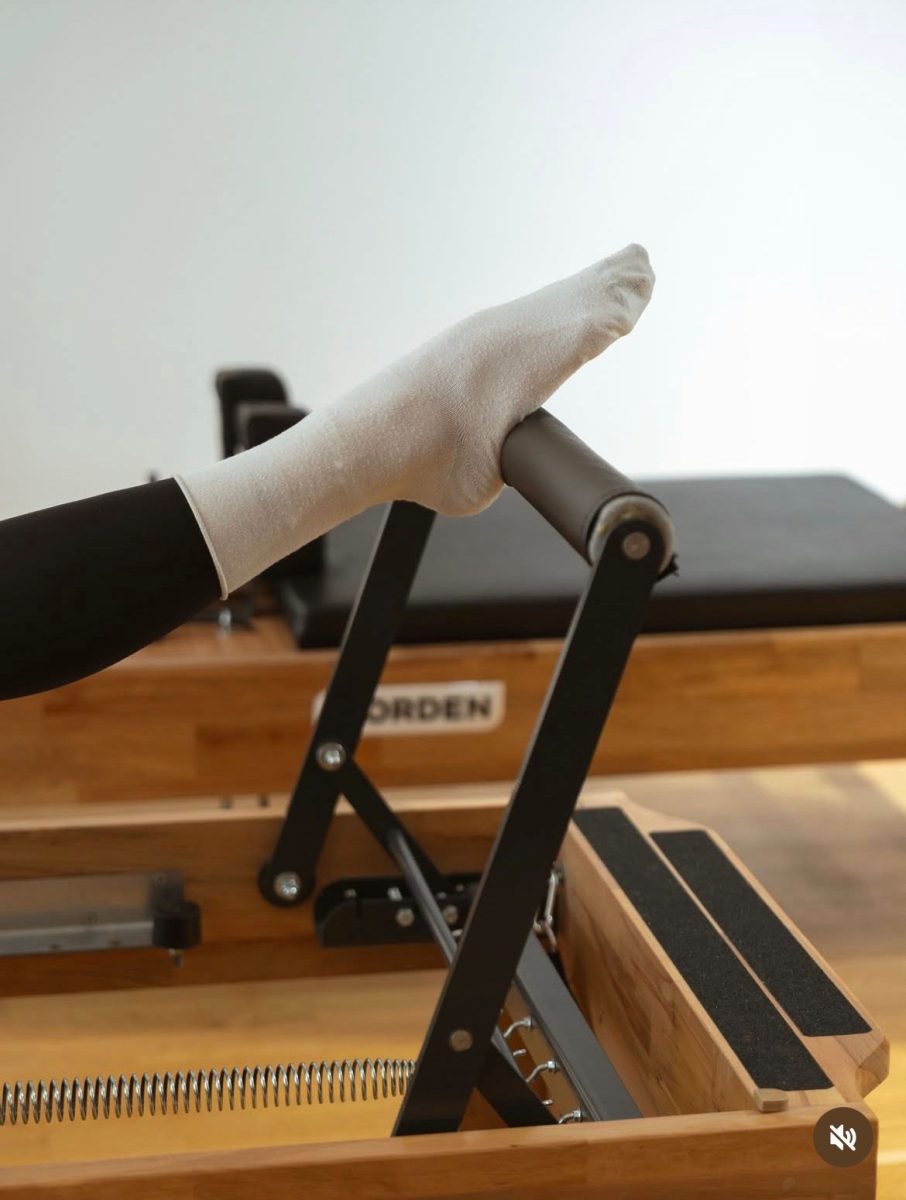
Isometric holding positions on the Reformer — particularly plank variations or single-leg bridge movements — sustain deep postural muscle activation without necessarily raising the heart rate. This means calorie burn isn't limited to the movement itself but continues through an increase in post-exercise oxygen consumption (EPOC). As a result, using a Reformer delivers a metabolic advantage that lasts well beyond the session.
Cardio and Strength Integration: A Hybrid Approach
The effectiveness of Reformer Pilates for calorie burn is reinforced by Jump Board exercises, which raise cardiovascular tempo. Plyometric work on the Jump Board can push heart rate to 140-160 bpm, triggering the classic fat-burning zone. When deep core stabilisation and resistance-based strength exercises are included in the same session, a single workout can influence both muscle hypertrophy and calorie balance.
The Tower reformer models favoured in studios make it easier to shift between vertical and horizontal planes during a session, maximising movement variety and energy expenditure. Hanging leg work performed on the Tower, in particular, builds up significant lactic acid in the abdominal region, increasing metabolic stress. High-intensity interval formats of this kind can push total calorie burn above 500 calories per session.
Comparing Calorie Burn: Reformer Pilates vs Other Exercises
To objectively evaluate the calorie-burning profile of Reformer Pilates, it helps to compare it side by side with popular cardiovascular and strength workouts. The table below shows the calories an average 70 kg person might burn during a 50-minute session, based on scientific sources:
| Exercise Type | Average Calorie Burn (50 min) | Metabolic Characteristics |
|---|---|---|
| Reformer Pilates | 200 - 400 kcal | Aerobic + Isometric + EPOC |
| Mat Pilates | 150 - 250 kcal | Low-intensity stabilisation |
| Running (8 km/h pace) | 400 - 500 kcal | High aerobic, low muscle activation |
| Cycling (moderate pace) | 300 - 450 kcal | Cardiovascular + lower body |
| Weight Training (Circuit) | 250 - 400 kcal | Anaerobic + high EPOC |
| Swimming (moderate speed) | 350 - 500 kcal | Full-body aerobic |
What stands out in this table is that Reformer Pilates delivers benefits across a broad spectrum — not just calories, but muscle quality, postural correction and flexibility as well. While running and cycling are effective at creating a calorie deficit, they're more prone to causing muscle imbalances and repetitive-stress injuries. Reformer training, by contrast, protects joint health through a low-impact, high-control principle.
Reformer Techniques That Boost Calorie Burn
A few programming strategies can be applied to maximise the calorie impact of a Reformer session:
Tempo Variation: Instead of the classic 3-1-3 tempo (3 seconds concentric, 1 second peak, 3 seconds eccentric), more dynamic tempos such as 2-1-2 raise heart rate and trigger the anaerobic threshold. Quick, controlled tempos in legwork series in particular can boost calorie burn by 20-30%.
Supersets and Interval Formats: Applying HIIT-style protocols on the Reformer — 40 seconds of work, 20 seconds of rest — burns far more energy than a steady, uniform session. Moving straight from footwork into the Jump Board, for example, pushes metabolic stress to its peak.
Combined Accessory Use: Integrating the Box and Jump Board from the Reformer set within the same session works both upper and lower body muscles simultaneously, raising total energy expenditure. Mermaid and pike variations performed on the Box place maximal demand on the shoulder girdle and lateral core muscles, adding extra metabolic load.
Choosing a Reformer Model and Its Effect on Calorie Burn
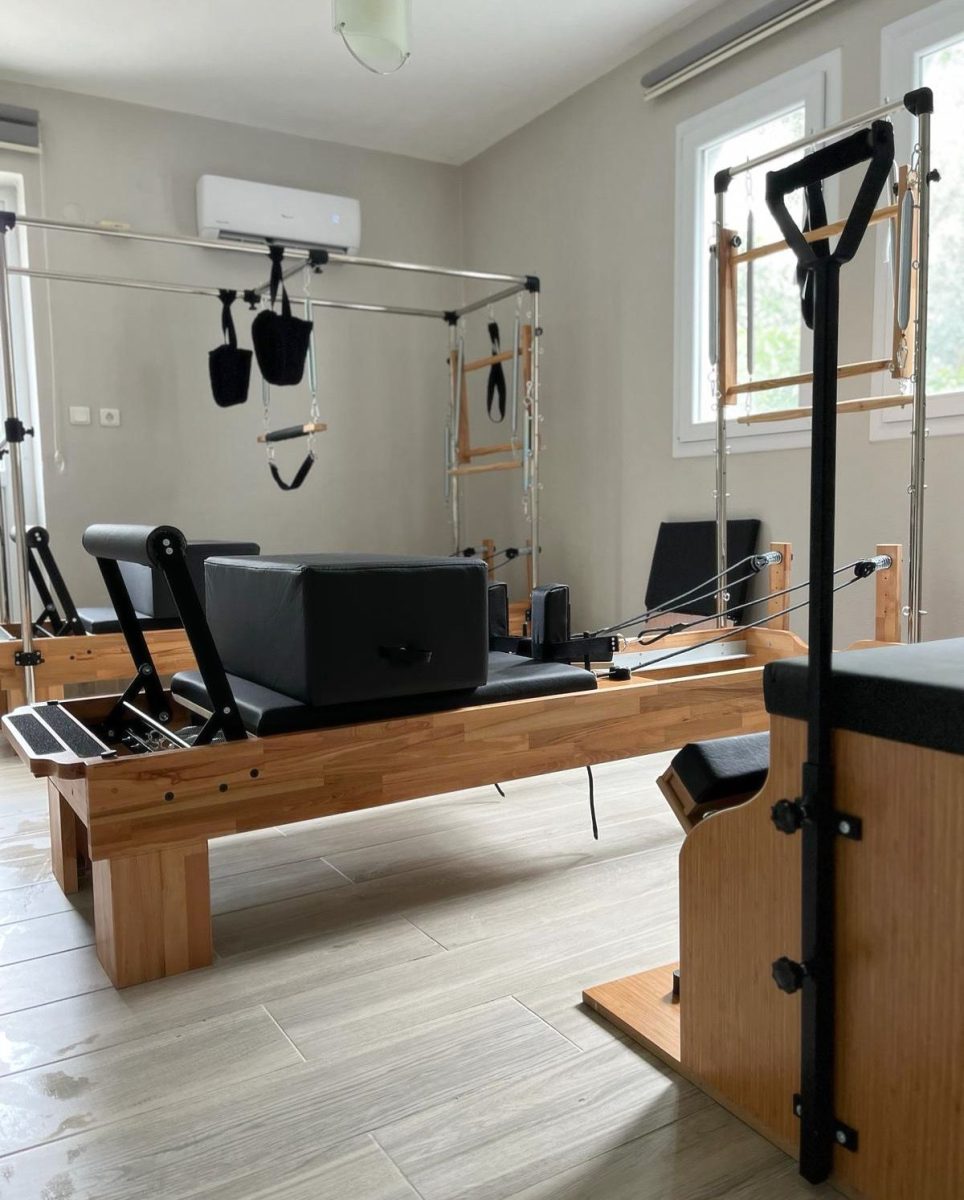
Calorie burn isn't determined solely by the type of exercise — the biomechanical properties of the equipment used play a direct role too. The three Reformer models offered by Norden Reformer each bring different metabolic advantages depending on how they're used:
Basic Reformer: Pure Horizontal Dynamics
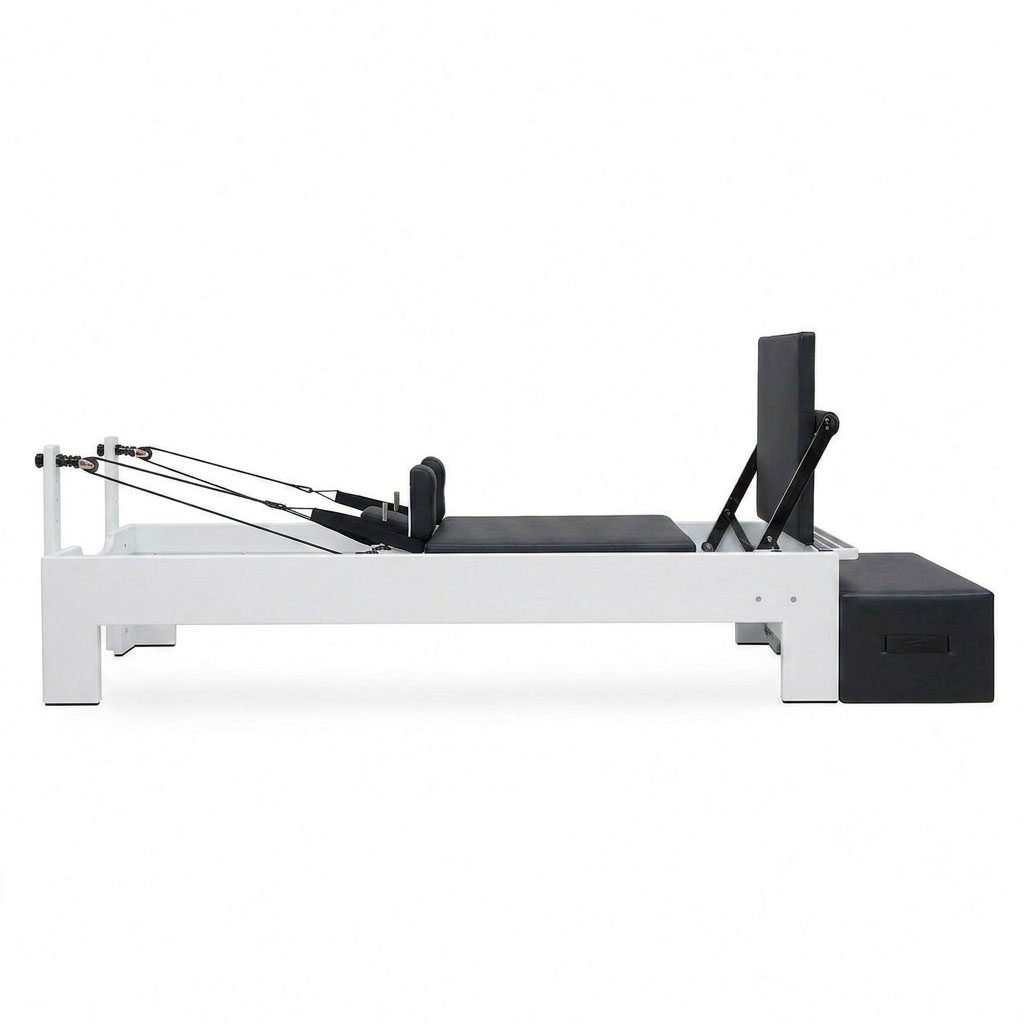
The Basic Reformer model allows training purely along the horizontal axis, without a tower or cage structure. It's a popular choice for beginners or physiotherapy use. Because its movement repertoire is more limited, calorie burn tends to sit around 200-250 calories per session. That said, the right spring combinations and tempo control can push this figure higher. The Basic Reformer is a cost-effective starting point for home users — see the current price on the product page.
Tower Reformer: The Vertical-Axis Advantage
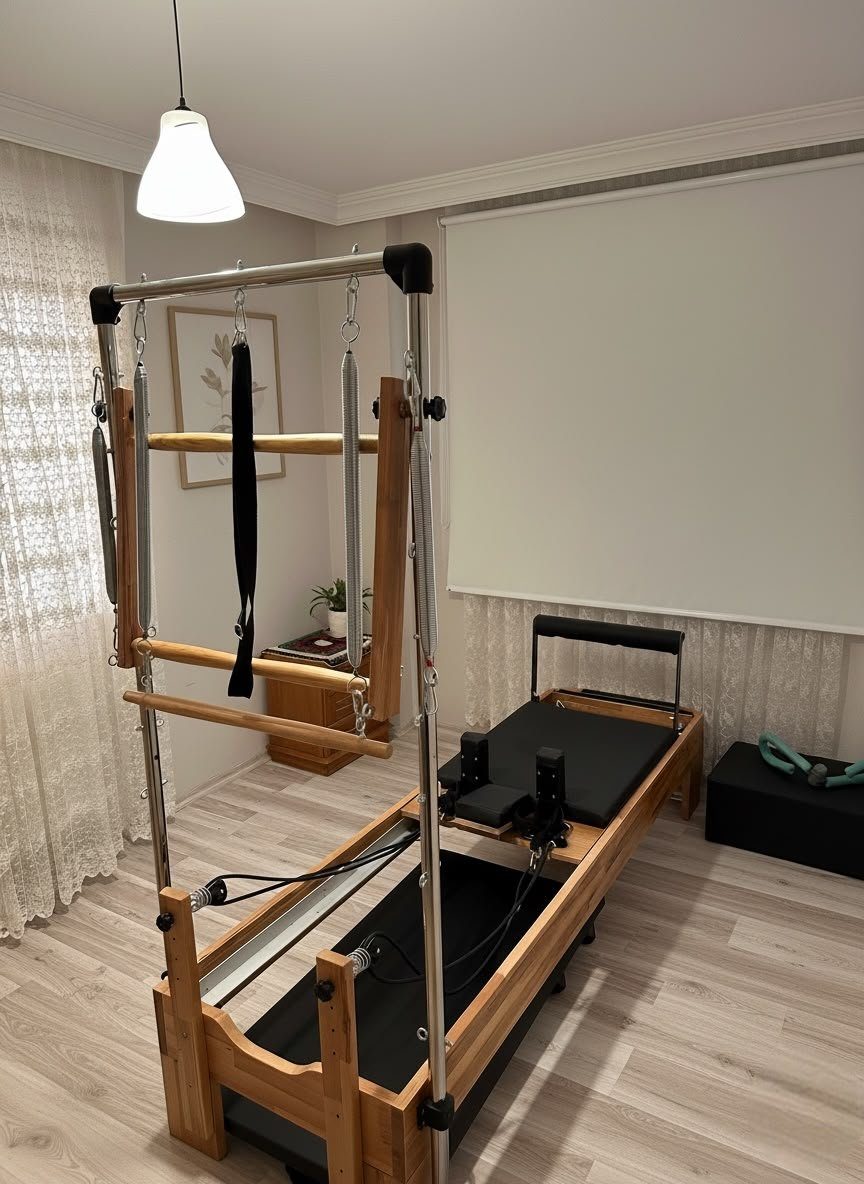
The Tower Reformer features a vertical tower on one side, enabling hanging exercises, vertical leg work and push-through bar movements. This added functionality significantly increases calorie burn. Roll-down and leg spring work performed on the tower, in particular, heavily engages the core muscles, pushing sessions into the 300-350 calorie range. Its 304 stainless steel tower construction allows safe training even under heavy resistance loads, with no risk of flexing. This model is ideal for professional studios and advanced home users — see the current price on the product page.
Cadillac Reformer: Maximum Versatility
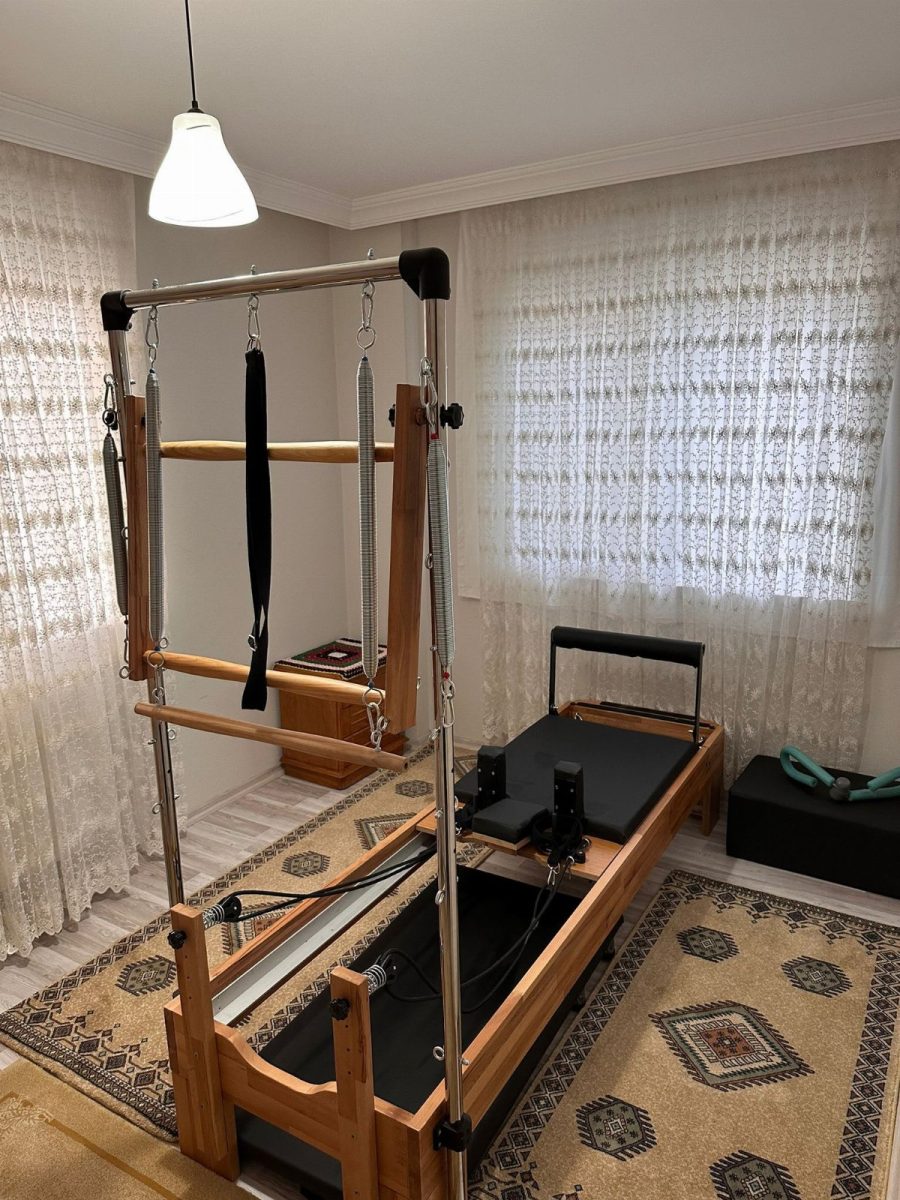
The Cadillac Reformer features a cage structure surrounding the reformer carriage, allowing virtually unlimited exercise variation across all planes (horizontal, vertical, oblique). Combinations of trapeze bar, roll-down bar, leg springs, arm springs and push-through bar work both upper and lower body to their limits in the same session, pushing calorie burn up to 400-500 calories. The Cadillac Reformer is an ideal investment for studio owners and physiotherapists. See the current price on the product page.
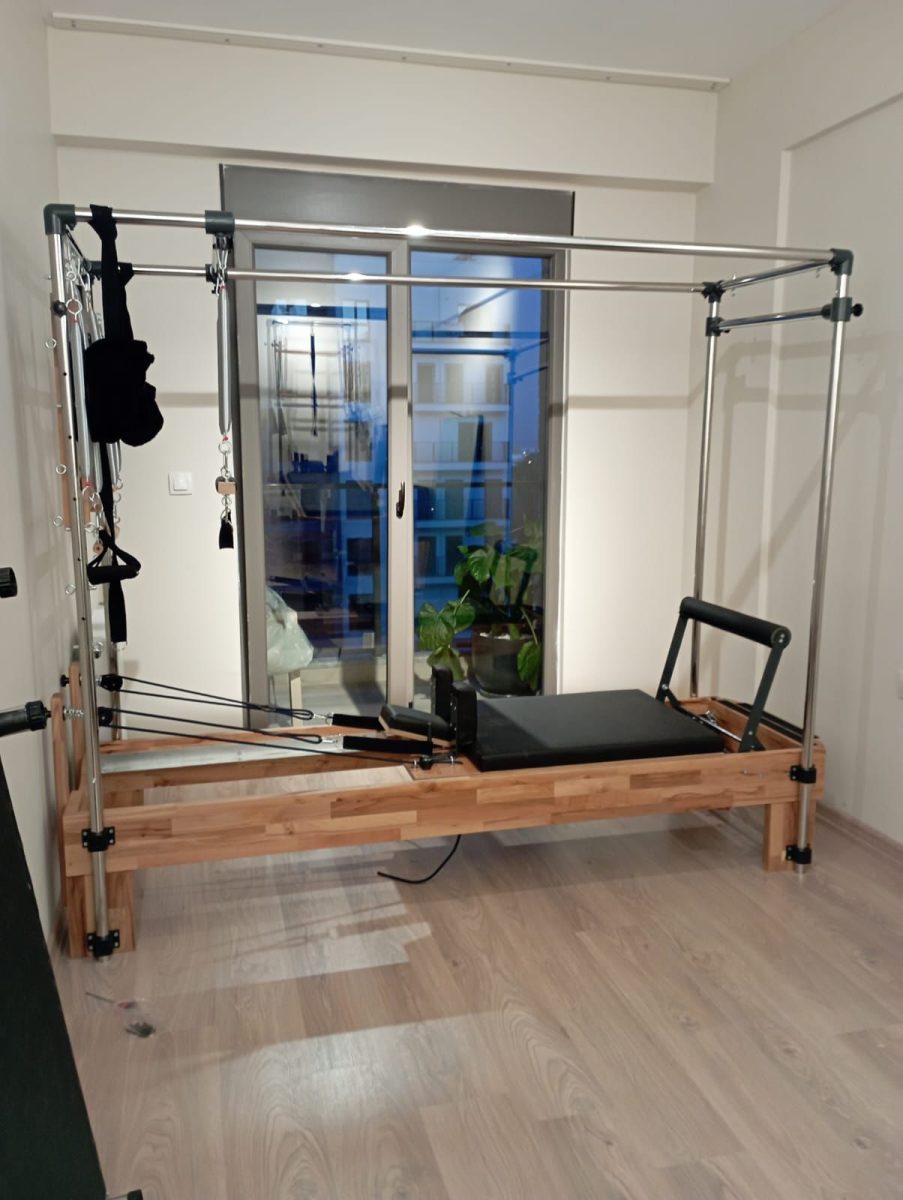
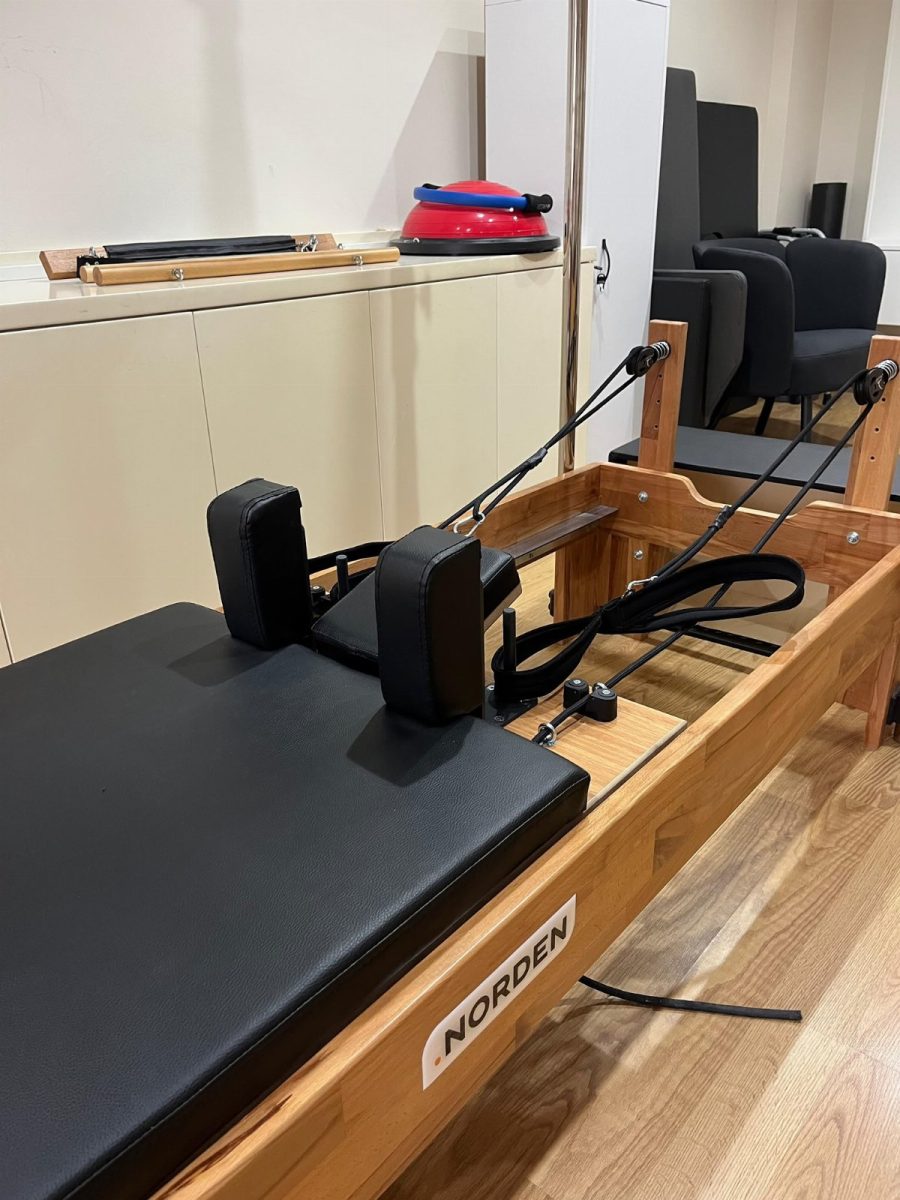
All three models are built to the same quality standard: premium solid beech wood, 4 coats of special varnish, antibacterial premium faux leather upholstery, and an 8-wheel system with 16 bearings for silent movement. These quality standards ensure the equipment's performance doesn't degrade over time, preserving exercise quality in the long run.
Programming Approaches to Optimise Calorie Burn
Scientific programming principles and biomechanical strategies can be applied to boost the calorie-burning effectiveness of Reformer Pilates sessions. Below are factors that can be optimised both during and outside the session:
In-Session Strategies
Progressive Overload: Increasing spring resistance or repetitions every two weeks forces the muscles to keep adapting, keeping the metabolic response active. For example, a footwork series started with blue and yellow springs should move to green and blue after four weeks. This progression requires the muscles to consume more ATP, resulting in higher calorie burn.
Compound Movements: Favouring multi-joint, multi-muscle-group movements over single-joint ones maximises energy expenditure. For instance, combining a footwork series with a plyometric variation on the Jump Board — rather than a simple leg press — activates the lower body, core and cardiovascular system all at once.
Minimal Rest Periods: Keeping rest between sets to a minimal 15-20 seconds prevents heart rate from dropping and increases total calorie burn. This strategy should, however, be applied without sacrificing movement quality — poor technique raises injury risk and reduces session effectiveness in the long run.
Supporting Factors Outside the Session
Nutrition Timing: Eating a balanced combination of complex carbohydrates and protein 1.5-2 hours before a Reformer session keeps energy levels high, allowing for higher-intensity training. A protein-rich meal within 30 minutes after the session supports muscle repair and metabolic recovery.
Sleep and Recovery: Insufficient sleep raises cortisol levels, suppressing muscle synthesis and slowing the metabolism. Quality sleep between sessions — done at least three times a week — helps maintain metabolic balance and supports stronger performance in the next session.
Hydration Balance: Even 2% dehydration during exercise can reduce metabolic efficiency by 10-15%. Regular water intake before, during and after a session is one of the fundamentals of optimising calorie burn.
Reformer Pilates and Weight Management: A Long-Term Perspective
Calorie burn is only one part of short-term energy balance. The long-term impact of Reformer Pilates on weight management comes from a combination of a sustainably raised metabolic rate, increased daily activity capacity following postural correction, and improved psychological motivation.
Metabolic Adaptation and Fat Oxidation
Regular Reformer practice increases muscle mass, raising basal metabolic rate (BMR). Every 500 grams of added muscle mass adds roughly 30-50 calories to daily energy expenditure. Reformer sessions performed three times a week can lead to an average gain of 1.5-2 kg of muscle over a 12-week period, permanently altering the metabolic profile.
Controlled, slow-tempo exercises on the Reformer favour fat oxidation as the preferred energy source. Low-to-moderate intensity sessions of longer duration (60-70 minutes), in particular, use fatty acids rather than glucose as fuel, supporting a reduction in adipose tissue. This mechanism improves body composition not just through a calorie deficit but through greater metabolic flexibility.
Posture and Daily Activity
Poor posture leads to inefficiency and energy conservation in everyday movement. Reformer exercises optimise spinal alignment, increasing energy expenditure during daily activities. A person walking with good posture burns 8-12% more calories than someone walking with a hunched posture. Over time, this difference can translate to a 3-4 kg difference in body fat per year.
The deep core stabilisation developed through Reformer training increases muscle activation during functional everyday movements — sitting, standing, bending — raising levels of NEAT (Non-Exercise Activity Thermogenesis). This is a significant component of non-exercise calorie burn and plays a critical role in overall energy balance.
A Physiotherapist and Instructor Perspective: Clinical and Performance Applications
Reformer Pilates is used not only for aesthetic weight-control goals but also for clinical rehabilitation and athletic performance optimisation. In this context, calorie burn is a secondary parameter — the primary goal is improved functional capacity.
Rehabilitation and Metabolic Support
Traditional cardiovascular exercise can carry risks during rehabilitation after orthopaedic injuries. The Reformer enables metabolic activation with low joint loading. For example, in someone recovering from knee surgery, footwork series apply minimal stress to the knee joint while working the quadriceps and hamstrings at sufficient intensity to support calorie burn and prevent muscle atrophy.
Physiotherapists can use isometric holding positions on the Reformer to build local muscular endurance while also activating the cardiovascular system to improve a patient's overall conditioning. This approach supports not only recovery of the injured area but also systemic metabolic health. Detailed guides on choosing a Reformer for physiotherapists show how the right equipment investment affects clinical outcomes.
Athletic Performance and Calorie Economy
Elite athletes use Reformer Pilates as a cross-training tool to boost both recovery and performance. For runners, single-leg stabilisation work on the Reformer optimises biomechanical balance and improves running economy. An athlete who can run at the same pace while expending less energy can gain a meaningful edge over the course of a marathon.
Reformer sessions provide active recovery between high-intensity training blocks while keeping metabolic stress low, helping to prevent overtraining syndrome. This balance allows athletes to maintain optimal body composition throughout the season and manage their weight without sacrificing performance.
Equipment Quality and Its Link to Calorie Burn
Equipment quality has a direct effect on the training experience and, by extension, on calorie burn. Low-quality reformers — with noisy bearings, flexible wood construction and uneven spring tension — disrupt the flow of movement. This leads to more technical errors and a drop in session intensity.
The 8-wheel system with 16 bearings used in Norden Reformer machines ensures smooth, silent movement that supports focus. The stability provided by solid beech wood allows safe training even under heavy spring loads, without wobbling. These features allow users to maintain high intensity throughout the session and achieve maximum calorie burn.
The antibacterial faux leather upholstery reduces the risk of slipping due to sweat, improving movement safety. The specially designed headrest and fixed ergonomic shoulder rests keep the cervical spine in a neutral position, preventing neck strain. These ergonomic details support longer sessions and, in turn, greater total calorie burn.
Decision Guide: Which Model Is Right for You?
Choosing a Reformer model should be based on how it will be used, the space available and budget. The summary below will help you identify the best fit:
- New Home User: The Basic Reformer is enough to learn fundamental movements and build a regular practice. While calorie burn is moderate, effective results can still be achieved with the right programming. Its price advantage and ease of use stand out.
- Advanced Home User or Small Studio Owner: The Tower Reformer adds variety and optimises calorie burn through vertical exercise options. The tower allows for a far more comprehensive session design.
- Professional Studio or Physiotherapy Clinic: The Cadillac Reformer offers maximum functionality and versatility. It's ideal for both group classes and individual rehabilitation sessions. While the investment is higher, it's the best option in the long run for session quality and client satisfaction.
All three models include the Box and Jump Board, so there's no extra accessory cost. Setup is simple — the carriage arrives assembled, and only the tower (on Tower and Cadillac models) needs to be attached and secured. Video support makes assembly easy. Delivery, taxes and duties are included in the price, and machines ship fully assembled. Production time is 9 business days, and all machines come with a 2-year parts warranty.
Scientific Research and Clinical Evidence
Scientific studies on calorie burn in Reformer Pilates provide concrete data on its metabolic effects. A study published in the Journal of Sports Science and Medicine in 2020 found that a 12-week Reformer Pilates programme reduced body fat percentage by an average of 3.2% and increased muscle mass by 2.8% in sedentary women. These changes correspond to a 6-8% increase in basal metabolic rate.
Another study examined the effect of Reformer Pilates sessions on excess post-exercise oxygen consumption (EPOC) and found that high-intensity Reformer sessions kept metabolic rate elevated by 10-12% for 24 hours after the session. This translates to an extra 150-200 calories burned daily and can lead to meaningful weight loss over time.
Research in clinical populations shows that Reformer Pilates improves not just calorie burn but also insulin sensitivity, reduces inflammatory markers and improves cardiovascular health parameters. These findings support the idea that Reformer Pilates can play a central role in a holistic approach to health.
Motivation and Sustainability: The Formula for Long-Term Success
The most critical factor in calorie burn and weight management is the sustainability of the exercise programme. Reformer Pilates offers high adherence thanks to its low injury risk, variety and mental focus.
The mental dimension of a Reformer session boosts motivation to exercise. Movements requiring neuromuscular control provide a meditation-like focus and lower stress hormones. This, in turn, can reduce emotional eating and indirectly support calorie balance.
The variety of Reformer exercises prevents the motivation loss that comes from monotony. Ten different variations can target the same muscle group, so every session can feel different. This flexibility supports long-term adherence and makes sustainable weight management possible.
In a studio setting, group energy and instructor support act as social factors that reinforce motivation. For home users, investing in a Reformer provides the freedom to train at a professional standard at home, with the ability to keep up a regular practice regardless of the season.
Frequently Asked Questions (FAQ)
How many calories does Reformer Pilates burn per session?
An average 70 kg person can burn between 200 and 400 calories during a 50-minute Reformer Pilates session. This figure depends on session intensity, spring resistance used, movement tempo and the individual's metabolic profile. High-intensity sessions involving the Jump Board can push this up to 500 calories, while low-intensity, rehabilitation-focused sessions may stay around 150-200 calories.
Is Reformer Pilates enough for weight loss?
Reformer Pilates delivers effective weight loss when combined with balanced nutrition. Sessions performed three times a week can support a healthy monthly weight loss of 1-2 kg. However, weight management depends not only on exercise but also on calorie balance and metabolic health overall. The Reformer optimises this process by preserving muscle mass and raising basal metabolism. People who do Reformer sessions without paying attention to nutrition may not see the expected results.
What's the difference in calorie burn between Reformer and mat Pilates?
Thanks to the stability and spring resistance of its carriage, Reformer Pilates burns 30-40% more calories than mat Pilates. Mat Pilates is limited to bodyweight resistance, while the Reformer's variable resistance system delivers higher intensity and metabolic stress. Dynamic movements on the Reformer also engage the cardiovascular system more. Mat Pilates typically burns 150-250 calories per session, compared with 200-400 calories on the Reformer.
Which Reformer model is best for calorie burn?
The most effective model for calorie burn is the Cadillac Reformer. Its cage structure offers virtually unlimited exercise variation, working both the upper and lower body at maximum intensity for the highest energy expenditure. That said, the Tower Reformer is also highly effective with its vertical exercise options, and offers a well-balanced choice in terms of cost versus performance. The Basic Reformer, while offering less variety, can still achieve sufficient calorie burn with the right programming. The Cadillac is recommended for professional use, and the Tower for advanced home users.
Does Reformer Pilates burn fat or build muscle?
With the right nutrition and programme design, Reformer Pilates increases fat burning while maintaining or even building muscle mass. Low-to-moderate intensity, longer sessions favour fat oxidation, while shorter high-intensity interval sessions engage anaerobic metabolism to support muscle development. In a calorie deficit, the Reformer minimises muscle loss, improving body composition in both an aesthetic and functional sense. People who diet alone tend to lose muscle, while those who combine dieting with Reformer training burn fat while preserving muscle.
Conclusion: A Holistic Approach to Reformer Pilates and Calorie Burn
Reformer Pilates doesn't just offer a number for calorie burn — it also supports metabolic health, postural correction, musculoskeletal strength and psychological wellbeing as an integrated whole. Although average energy expenditure of 200-400 calories per session is lower than high-impact activities like running or cycling, it offers superior advantages in terms of low injury risk, sustainability and broad health benefits.
Factors such as equipment quality, session design, nutrition strategy and individual metabolic profile directly shape how effective Reformer Pilates is for calorie burn. The three Reformer models offered by Norden Reformer provide options optimised for different user profiles and goals. Understanding the differences between the Basic, Tower and Cadillac models helps you make the right investment decision for both budget and performance.
Scientific research shows that Reformer Pilates has a positive impact not just on calorie burn but also on insulin sensitivity, cardiovascular health and mental wellbeing. This holistic approach positions Reformer Pilates not merely as a weight-control tool but as a comprehensive health practice that improves quality of life.
For long-term success, it's essential to combine a Reformer Pilates programme with balanced nutrition, quality sleep and stress management. Regular sessions at least three times a week can produce noticeable changes in body composition and metabolic health within 12 weeks. Starting under the guidance of a physiotherapist or certified instructor helps maximise technical accuracy and, in turn, calorie-burning effectiveness.
Finally, when investing in a Reformer, it's worth paying attention to equipment quality, warranty terms and after-sales support. Norden Reformer offers a 2-year parts warranty, video-guided assembly support, and delivery with taxes and duties included in the price. A 9-business-day production time makes owning a Reformer straightforward and hassle-free.
To start your calorie-burning, healthy-living journey with Reformer Pilates, explore the Norden Reformer product range, choose the model that best suits your needs, and get in touch with our expert team for more information. Burning calories isn't just a number — it's an improvement in your quality of life.


