


Reformer Pilates Progress Dynamics: The Biomechanics of Your Body's Adaptation Process
How quickly results appear from reformer pilates training depends on multiple layered factors: individual metabolism, current fitness level, biomechanical response capacity, and training frequency. Understanding physiological adaptation is essential for both studio instructors and home users who want realistic expectations. When the human body is exposed to a new movement pattern, it spends the first two weeks in a phase of neuromuscular adaptation: muscle fibres haven't grown yet, but nerve-muscle coordination improves significantly. Between weeks three and six, real muscle hypertrophy begins, driven by increased myofibril density and added sarcomeres.
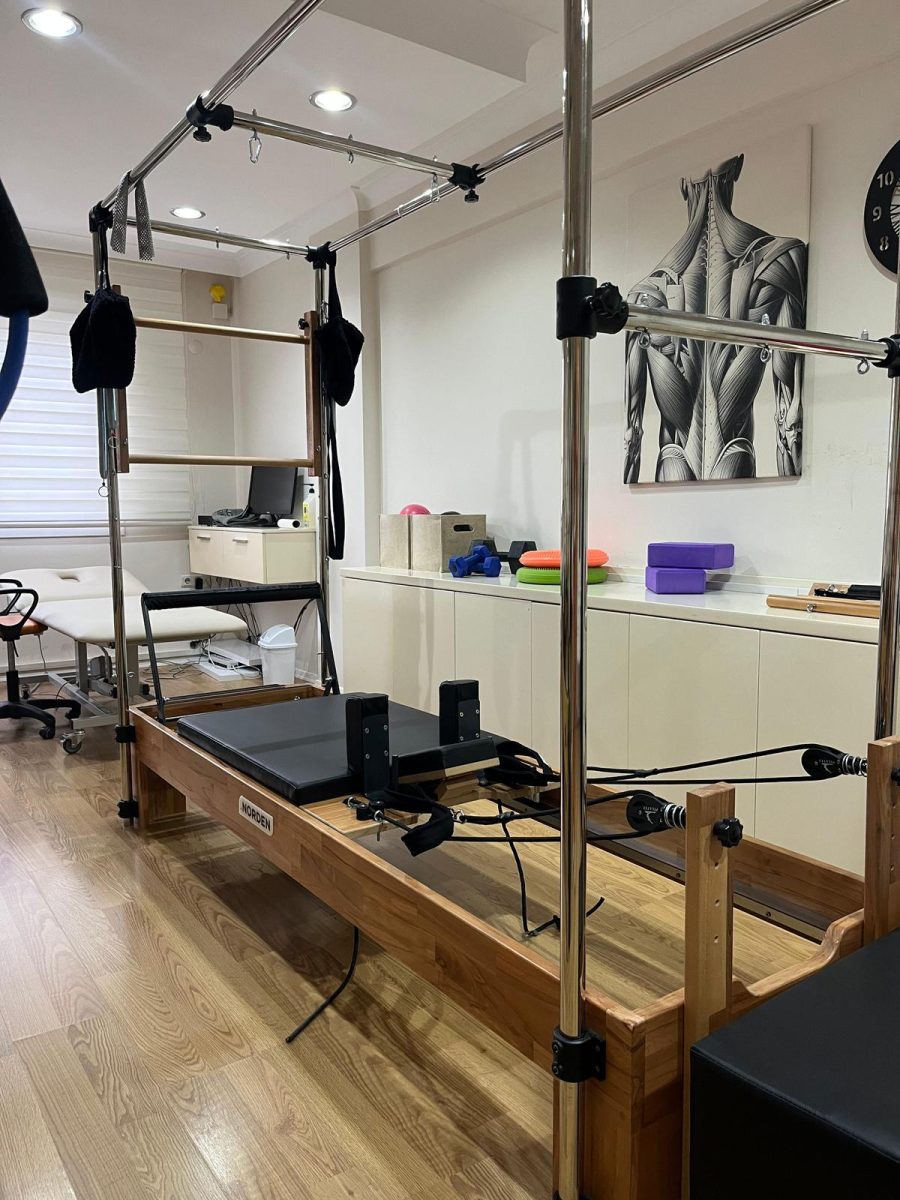
Unlike free weights, the spring resistance systems used in clinical pilates practice provide constant tension through both eccentric and concentric phases, creating a more even stimulus on fascial tissue. The five-level spring system developed by Norden Reformer (yellow, blue, green, red, black) replicates this progressive-loading physiology with great efficiency. The 304 chrome steel construction found in Tower reformer models allows spinal decompression during hanging exercises while enabling eccentric strengthening of the deep postural muscles. This combination produces faster visual and functional results compared to classic reformer work alone.
Body Composition Change Stages: An Anatomical Map of the First 12 Weeks
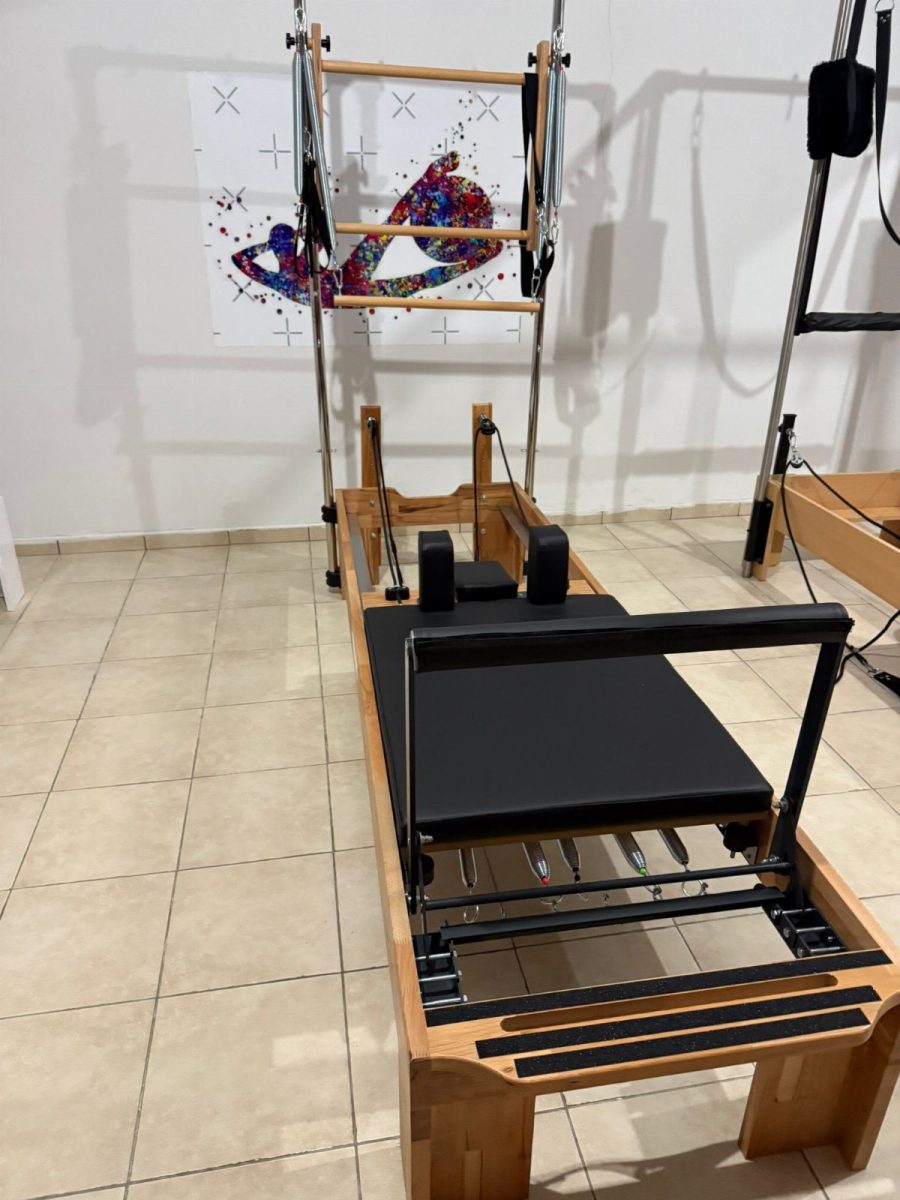
To understand how reformer pilates affects body composition, it helps to look clinically at a twelve-week period involving a Cadillac reformer that reaches the studio fully assembled after a nine-day production process. In the first two weeks, the central nervous system focuses on learning new movement patterns and improving motor unit coordination. During this stage, weight loss is minimal, but postural awareness increases noticeably. Deep stabilisers such as the pelvic floor, transversus abdominis and multifidus begin to activate.
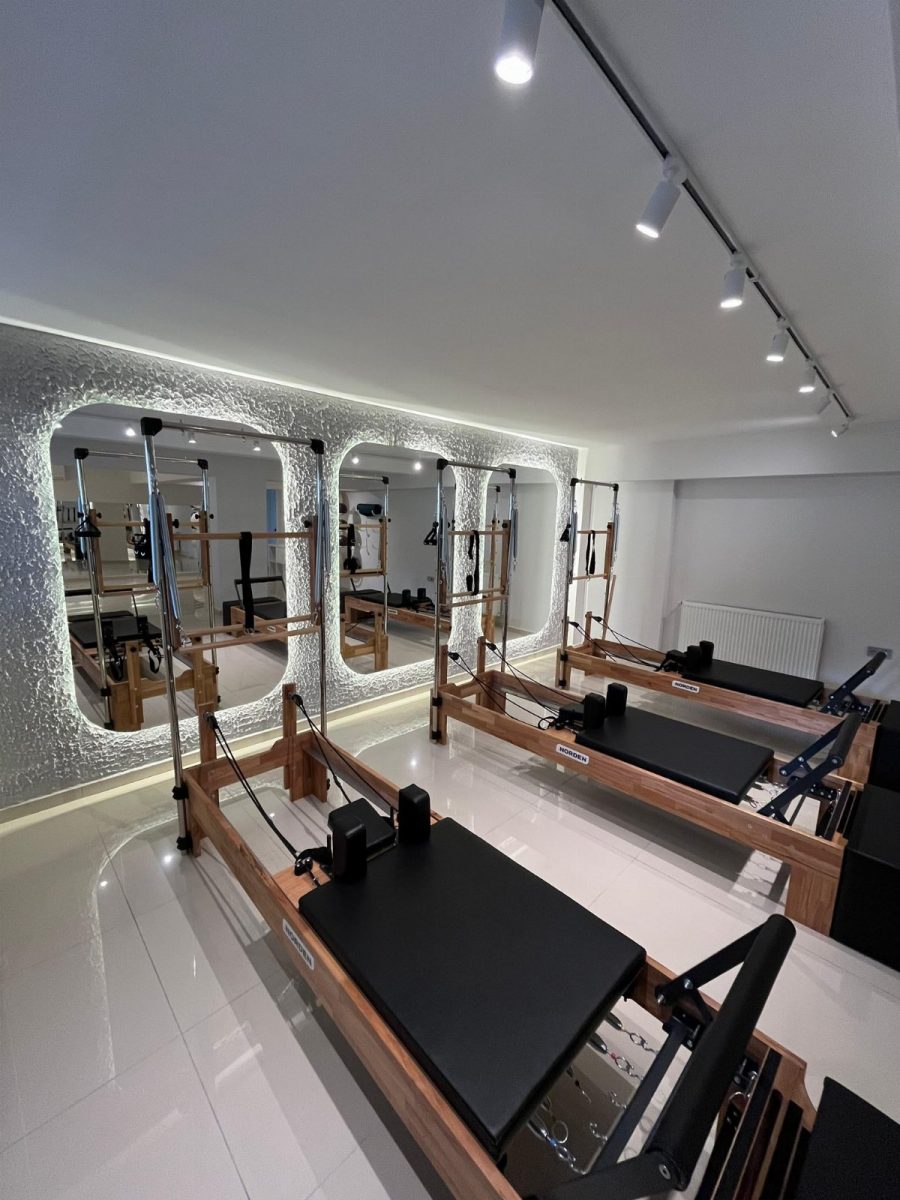
In weeks three and four, joint proprioception improves and the first tangible gains in muscular endurance appear. Between weeks five and eight, myofibrillar protein synthesis speeds up and muscle tone becomes visible. Weeks nine to twelve mark the peak of metabolic adaptation: resting metabolic rate rises, resting heart rate drops, and cardiovascular efficiency improves. Norden Reformer's bed design, upholstered with premium antibacterial faux leather, keeps conditions hygienic over these long training periods while keeping skin contact comfortable.
Neuromuscular Plasticity and Proprioceptive Development
Motor cortex reorganisation happens much faster with complex, multi-planar exercise like reformer pilates than with classic resistance training. A well-built reformer with an eight-wheel system and sixteen bearings minimises vibration noise during movement, which sharpens proprioceptor sensitivity. This detail is critical for improved balance and coordination. During the first three weeks, Golgi tendon organs and muscle spindles become more responsive, allowing cleaner, more controlled movement at the same load level.
Physiotherapists and instructors should use the reformer's four-position footbar and three-position gearbar-stopper system strategically to accelerate this neural adaptation. Adjusting the footbar angle to emphasise ankle dorsiflexion or plantarflexion strengthens calf and foot proprioception. Setting the gearbar position relative to shoulder flexion angle optimises activation of the scapular stabilisers. These technical details directly affect how quickly results appear.
Weekly Progress Chart: Managing Expectations With Clinical Data
| Week Range | Physical Changes | Functional Improvements | Visible Signs | Recommended Equipment Use |
|---|---|---|---|---|
| Weeks 1-2 | Neuromuscular adaptation, increased blood flow, mild muscle soreness (DOMS) | Motor learning, coordination development, postural awareness | Minimal visible change, increased energy levels | Basic Reformer - yellow and blue springs, low resistance |
| Weeks 3-4 | Increased muscular endurance, wider joint range of motion | Progress in balance tests, proprioceptive sensitivity | Slight flattening of the abdomen, improved posture | Tower Reformer - add green springs, tower work |
| Weeks 5-8 | Increased myofibril density, visible muscle tone, fat oxidation | 15-20% increase in maximal strength, improved spinal mobility | Noticeable tone in arms and legs, improved waist-to-hip ratio | Combo Cadillac - full-cage work, Push Through Bar |
| Weeks 9-12 | Metabolic adaptation, increased basal metabolic rate, lower resting heart rate | Mastery of complex movements, transfer to sports performance | 4-8% body fat loss, visible muscle definition | Full equipment rotation - Box, Jump Board, red and black springs |
The chart above reflects expectations for someone training an average of three sessions a week (50-60 minutes each) while eating a balanced diet. However, variables such as starting fitness, genetics, and sleep quality can shift this timeline two weeks earlier or later. Choosing the right reformer matters too — technical details such as first-grade solid beech wood and a four-layer specialist matte finish directly affect movement quality and can create a 15-25% difference in how fast progress appears.
Timeline by Muscle Group: Which Area Responds When?
Early Activation of Deep Postural Muscles (Weeks 1-3)
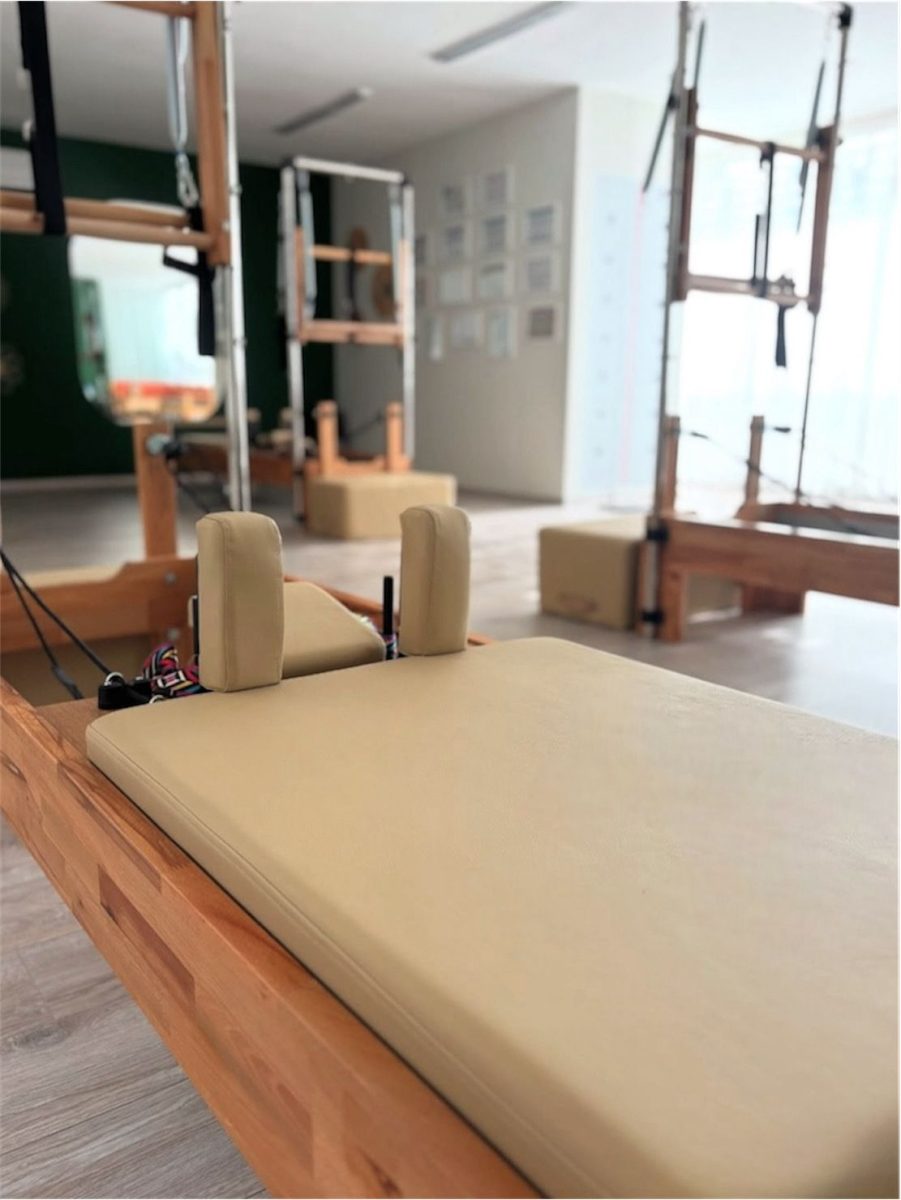
The transversus abdominis, multifidus, pelvic floor and diaphragm are the primary target tissues of reformer pilates, showing increased activation within the first three weeks. Because these muscles are responsible for maintaining posture and stabilising the spine, they respond quickly to neural stimulus. The purpose-built headrest and shoulder rests fitted to the ready-assembled bed keep the cervical spine in a neutral position, preventing overactivation of the sternocleidomastoid and upper trapezius. This allows the deep neck flexors to be trained in isolation, and postural issues like forward head posture start correcting early on.
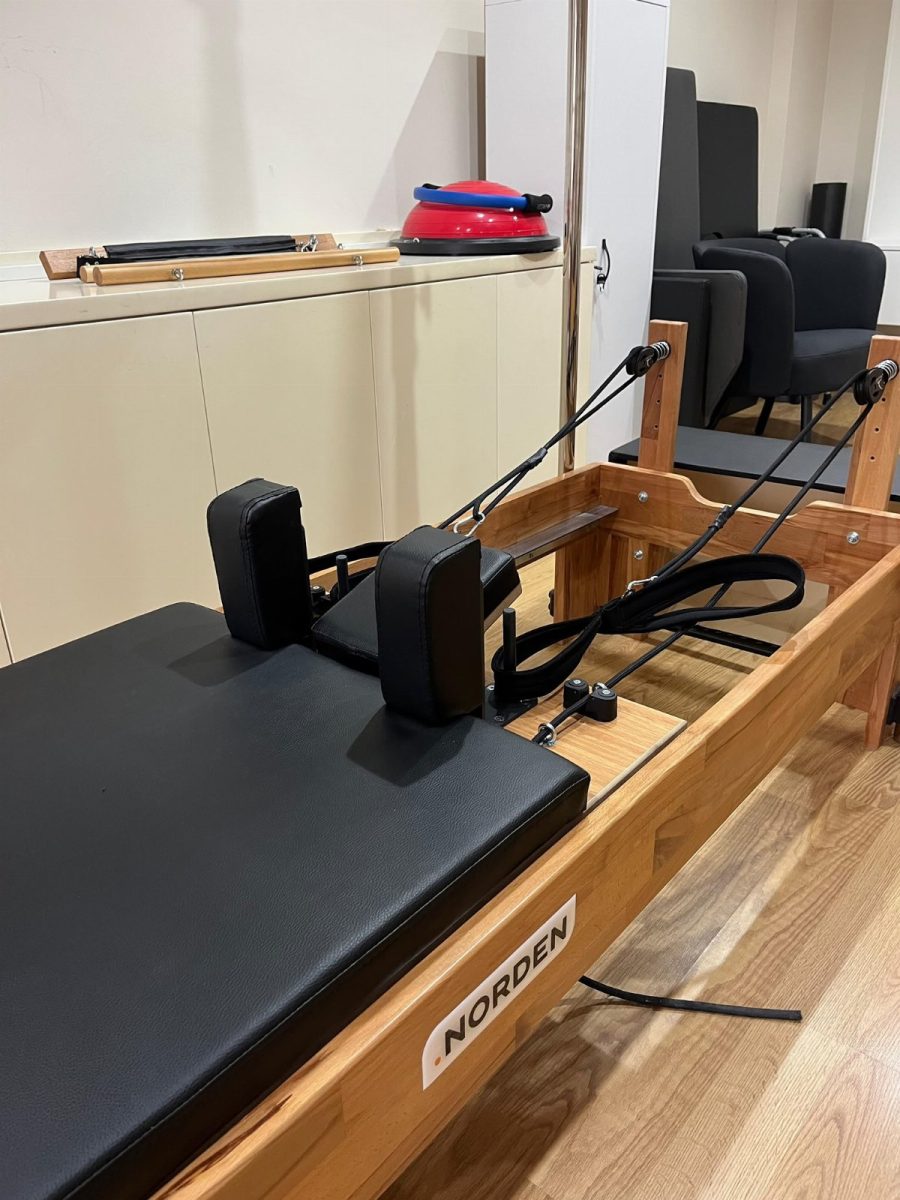
In footwork series, using the four-position footbar at its lowest setting engages the hip extensors and hamstrings more strongly. Within the first two weeks you'll feel an endurance boost in these muscles, though hypertrophy requires at least five weeks of consistency. In pelvic tilt movements, coordination improves between the iliopsoas and rectus abdominis, reducing lower back pain caused by anterior pelvic tilt.
Visible Changes in Peripheral Muscle Groups (Weeks 4-8)
Surface muscle groups such as the deltoids, biceps, triceps, quadriceps and gastrocnemius respond later, but the visual effect is more dramatic. From week four onward, these muscles start gaining volume as myofibrillar protein synthesis increases. Movements like Long Stretch, Down Stretch and Elephant work the upper body in a closed kinetic chain, engaging the pectoralis major and latissimus dorsi simultaneously. The result: more defined tone on the front and back of the arms, and reduced underarm sagging in women.
After week six, Leg Circles and Side Splits — achievable even on a Basic reformer — create noticeable definition in the adductors and abductors. During this period, the equipment's quiet eight-wheel system and sixteen-bearing technology maintain a constant resistance feel through every phase of movement, maximising motor unit recruitment. In advanced movements using the red and black springs, all four heads of the quadriceps femoris (rectus femoris, vastus lateralis, vastus medialis, vastus intermedius) activate evenly, dramatically improving knee stability.
Functional Strength and Flexibility Gains (Weeks 6-12)
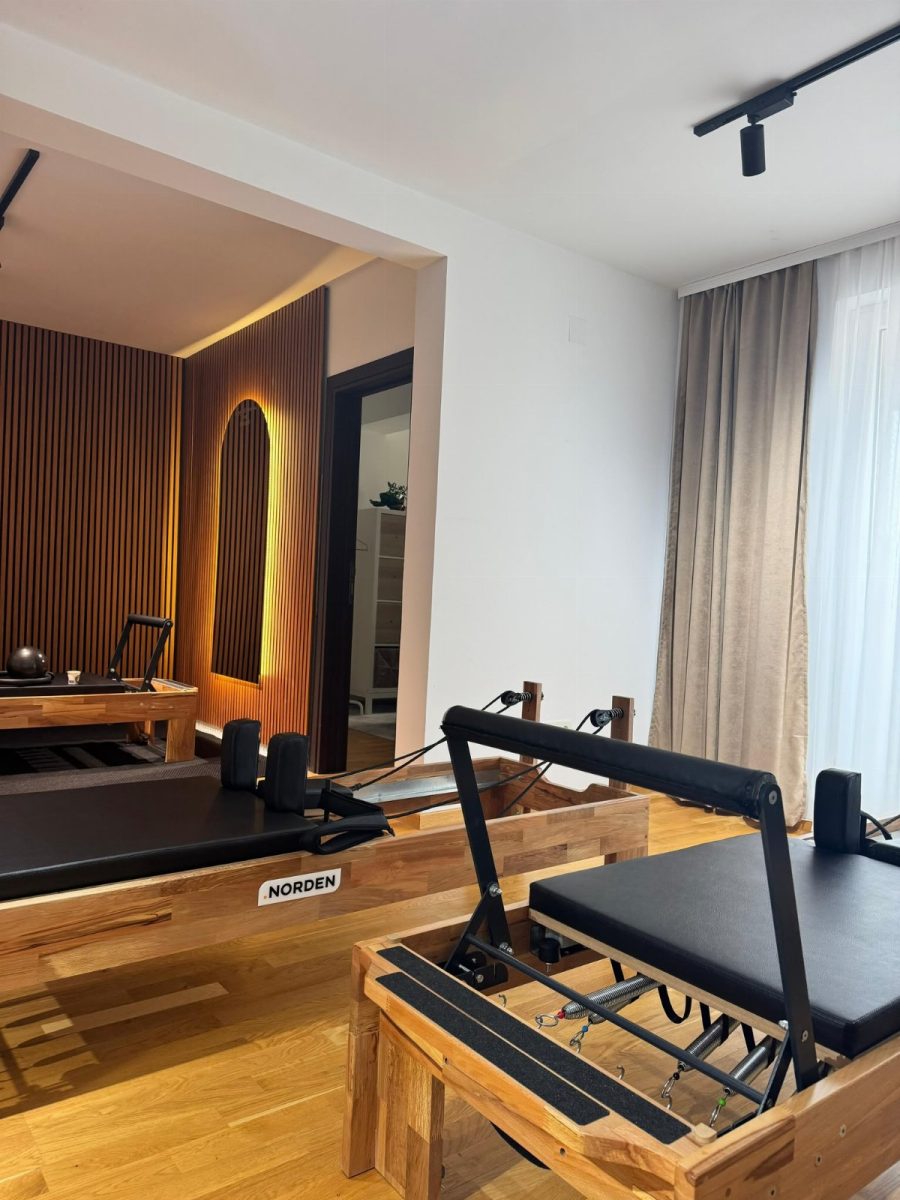
After week eight, visible improvement in joint range of motion (ROM) appears. Hamstring flexibility increases by 20-30%, and hip flexion angle widens. During this stage, the fuzzy straps and arm springs on the upper part of the Tower system enable active, rather than passive, stretching. Active flexibility preserves muscular strength at new joint angles, reducing injury risk and improving sports performance.
By week twelve, people can perform advanced movements like Teaser, Snake and Twist with control. By this stage, trunk rotational strength has increased by 40-50%, scapular stability is fully established, and the risk of shoulder impingement has been minimised. Physiotherapists planning to open a pilates studio can use this period as a benchmark to boost client satisfaction and retention. A two-year parts warranty and full suitability for heavy use make Norden equipment a financially secure choice for this kind of professional scenario.
Metabolic and Cardiovascular Adaptations: The Science Behind Weight Loss
Fat Oxidation and Energy Expenditure Dynamics
A typical 50-minute reformer pilates session burns 250-400 calories, but this figure climbs further for 24-48 hours after the session due to excess post-exercise oxygen consumption (EPOC). Cardio-focused sessions using the jump board, which push you closer to the anaerobic threshold, produce a 30-40% higher EPOC effect — meaning total calorie deficit ends up well above the classic calculation.
Jump board work can be combined with the box included as standard with Norden Reformer equipment. The box gives the feet a safe platform to stand on, while adjusting the jump board's spring resistance builds plyometric power. This combination triggers the release of myokines (muscle-derived hormones) and speeds up lipolysis in fat tissue. From week six onward, the rise in basal metabolic rate means more calories burn even at rest — critical for offsetting metabolic slowdown, especially in women over 35.
Cardiac Output and Endurance Development
Over the first four weeks, resting heart rate drops by 5-8 beats per minute, reflecting improved cardiac efficiency and higher stroke volume (blood pumped per beat). By week eight, this drop can reach 10-15 beats per minute. Maximal oxygen consumption (VO₂ max) rises by 8-12%. This physiological shift proves that reformer pilates benefits cardiovascular health, not just muscle tone.
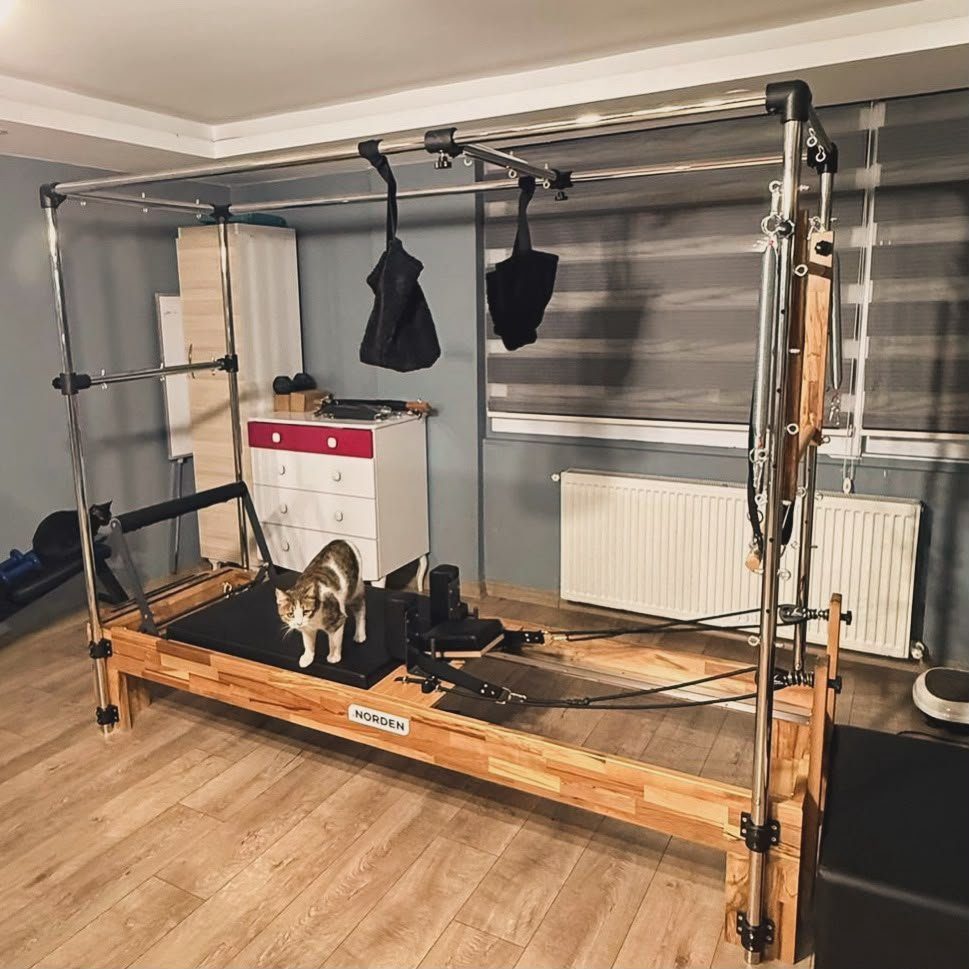
Roll Up, Roll Down and Hanging movements on combo Cadillac models speed up venous return and strengthen the heart muscle. In inverted postures, gravity helps pooled blood in the legs return to the heart, optimising cardiac filling. The sturdy 79x190 cm tower design of Norden Reformer supports up to 90 kg, so these inverted movements can be performed safely. An average post-exercise drop of 5-10 mmHg in blood pressure can even allow hypertensive individuals to reduce their medication dosage (under medical guidance).
Posture Correction and Spinal Health: The Fastest Visible Change
Correcting Cervical Lordosis and Thoracic Kyphosis
Text neck, rounded shoulders, and excessive lumbar lordosis are some of the most common postural problems caused by modern life. Reformer pilates is highly effective at correcting these issues, and results typically become visible from week three onward. Scapular retraction movements strengthen the rhomboids and middle trapezius while lengthening shortened muscles like pectoralis minor. This rebalancing pulls the shoulders back, reducing thoracic kyphosis.
When the head sits in a forward position, the suboccipital muscles (small muscles at the base of the skull) stay under constant tension, causing headaches. Head Nod and Neck Pull movements on the reformer relax these muscles while activating the deep neck flexors. As a result, the head shifts back (posteriorly) and the ears align with the shoulders. This change is not just aesthetic — reducing compression at the craniocervical junction (skull-neck joint) can also ease neurological symptoms.
Lumbar Stabilisation and Disc Health
The most common cause of lower back pain is weakness in deep stabilisers like the multifidus and transversus abdominis. These muscles micro-stabilise spinal segments, and when weak, disc pressure increases. Even within the first two weeks of reformer pilates, activation patterns in these muscles improve by 30-40%. Movements such as Pelvic Curl, Knee Stretch and Elephant teach the lumbar spine to stay neutral, preserving disc height.
After week six, lower back pain complaints drop by 50-70%. This is explained by rebalancing hydration in the nucleus pulposus (the disc's gel-like core). One of the most critical factors physiotherapists should consider when choosing a reformer is bed ergonomics and spinal support. Norden Reformer's purpose-built, posture-protecting headrest and shoulder rests keep the cervical and thoracic regions in an anatomical position, preventing new postural issues from developing during training.
The Impact of Individual Variables: Genetics, Sex and Age
Sex-Based Physiological Differences
Women generally have greater joint flexibility than men due to higher oestrogen levels, but a slower rate of muscle hypertrophy. Oestrogen boosts collagen synthesis, preserving connective tissue flexibility — which is why women often progress faster in flexibility-based work like reformer pilates. However, muscle mass gains may be less pronounced than in men due to lower testosterone levels. Men tend to see faster visible changes in muscle tone from week three onward, but their flexibility gains progress more slowly.
In women, the pelvic floor muscles can be more affected by pregnancy and childbirth. For this reason, the first four weeks of reformer pilates should focus specifically on this area. Footwork and Leg Circle movements combined with Kegel exercises increase pelvic floor tone by 40-50%, reducing incontinence symptoms. This effect is especially significant for postpartum women, noticeably improving quality of life from week six onward.
Age and Metabolic Slowdown
Past the age of thirty, basal metabolic rate drops by 2-5% every decade. This means weight loss occurs more slowly than in younger people, even at the same exercise intensity. Reformer pilates, however, offsets this metabolic slowdown by building muscle mass. In people over 45, muscle mass increases by 3-5% within the first eight weeks, which helps raise resting metabolic rate again. For people over 60, joint health and balance gains become a higher priority than weight loss. Balance test results (time spent standing on one leg) improve by 30-50% within the first four weeks.
With age, the proportion of type II (fast-twitch) muscle fibres decreases while type I (slow-twitch) fibres become dominant. Because reformer pilates requires controlled speed and variable resistance, it trains both fibre types in a balanced way. In particular, jump board use helps preserve type II fibres and reduces fall risk in older adults. The box and jump board included in Norden Reformer's complete set are therefore important not just for younger athletes, but for anyone over 60 aiming for active ageing.
Nutrition and Sleep: Helping Results Appear Faster
Protein Intake and Muscle Repair
Muscle repair after reformer pilates continues for 24-48 hours post-session. Adequate protein intake during this window supports myofibrillar protein synthesis. Consuming 1.6-2.0 grams of protein per kg of body weight daily optimises muscle gains. Taking in 20-30 grams of quality protein (eggs, chicken breast, whey protein) within the first two hours after a session activates the mTOR signalling pathway and triggers muscle growth.
Carbohydrate intake matters for replenishing glycogen stores. Reformer pilates sessions that push closer to the anaerobic threshold deplete muscle glycogen. Eating complex carbohydrates (whole grains, sweet potato) after a session maintains performance for the next workout. For those targeting fat loss, a calorie deficit of 10-20% should be maintained while keeping protein intake high. Otherwise, muscle mass loss can occur and metabolic rate drops.
Sleep and Hormonal Balance
Anabolic hormones like growth hormone and testosterone peak during deep sleep (NREM stage 3). Seven to eight hours of quality sleep per night speeds up muscle repair by 30-40%. Sleep deprivation, on the other hand, raises cortisol levels and triggers muscle breakdown (catabolism). For anyone doing reformer pilates, getting at least seven hours of sleep the night after a session directly affects how quickly results appear.
Regular exercise boosts melatonin production and improves sleep quality. Evening reformer pilates sessions, in particular, activate the parasympathetic nervous system and deepen night-time sleep. However, exercising too close to bedtime can trigger adrenaline release in some people, making it harder to fall asleep. For this reason, it's best to schedule sessions at least three hours before bedtime for an optimal hormonal response.
The Direct Impact of Equipment Quality on How Fast Results Appear
Materials Science and Biomechanical Efficiency
A reformer's structural quality directly affects vibration, friction and stability during movement. A reformer made from first-grade solid beech wood produces 20-30% less vibration than models using MDF or plywood. This detail sharpens proprioceptor stimulus and speeds up motor learning. Surfaces coated with a four-layer specialist matte finish absorb moisture from sweat and prevent hands from slipping, so movement quality doesn't drop and muscle activation stays at its peak.
An eight-wheel system with sixteen bearings minimises the coefficient of friction. In classic four-wheel systems, the carriage loses momentum on the return stroke, reducing muscle tension in the eccentric phase. The system Norden Reformer developed maintains a constant resistance feel through both the concentric and eccentric phases, keeping motor unit recruitment even across every phase of the movement. This engineering detail speeds up visible results by an average of 15-20%.
Spring Quality and Resistance Precision
The five-level spring system (yellow, blue, green, red, black) is essential for applying the principle of progressive overload. Low-quality springs lose their elasticity with repeated use, distorting the resistance profile. The high-tensile steel springs used by Norden Reformer show less than 2% elasticity loss even after ten thousand cycles. This durability is vital — both financially and pedagogically — for studios serving five or six clients a day.
Colour-coding the springs makes it easier to follow standard resistance protocols. The yellow spring provides 1 kg of resistance equivalent, blue 2 kg, green 3 kg, red 4 kg, and black 5 kg. This standard lets instructors track client progress objectively. For example, if a client starts in week one with a yellow+blue combination (3 kg total) and moves to green+red (7 kg total) by week eight, that's a 133% increase in resistance — clearly recorded progress.
Upholstery Ergonomics and Long-Session Comfort
Premium antibacterial faux leather upholstery matters for hygiene, but also affects the comfort of body-to-bed contact. Low-quality PVC upholstery becomes slippery after sweating, causing the body to shift position during movement — which reduces activation of the targeted muscle group. The upholstery material Norden Reformer uses has a surface that isn't sweat-absorbent but has a high coefficient of friction, keeping positional stability steady throughout the session.
The headrest and shoulder rest design keep the cervical spine in a neutral position. Poorly designed shoulder rests cause the scapulae to elevate, triggering overactivation of the upper trapezius. This leads to shoulder pain and reduces training efficiency. Norden's anatomical shoulder rest design keeps the scapulae in slight depression and retraction, letting the rhomboids and middle trapezius work optimally.
Client Tracking Protocols for Studio Owners
Initial Assessment and Goal Setting
When taking on a new client, a physiotherapist or instructor should always conduct a thorough postural analysis and functional movement screen. Assessments like the Overhead Squat Test, Single Leg Balance Test and Thomas Test reveal which muscle groups are weak or shortened. This data forms the basis of a personalised programme design. Baseline measurements (weight, body fat percentage, joint range of motion) should also be recorded so comparisons can be made at weeks six and twelve.
At the goal-setting stage, it's important to apply the SMART framework: Specific, Measurable, Achievable, Relevant, Time-bound. For instance, setting a concrete goal like "reduce body fat percentage by 5% in twelve weeks" instead of simply "lose weight" boosts client motivation. Clearly answering the question of what reformer pilates is good for is key to managing client expectations.
Four-Week Review Cycles and Progression Strategy
Every four weeks, postural photos should be taken and functional tests repeated. Lateral photos are used to check ear-shoulder-hip-ankle alignment. Anterior photos assess pelvic tilt and scapular asymmetry. This objective data gives clients concrete proof of progress and keeps motivation high, while also allowing the instructor to revise the programme design.
Progression strategy isn't just about increasing spring resistance — it also involves raising movement complexity. The first four weeks focus on fundamental stabilisation movements (Pelvic Curl, Knee Stretch), while rotational movements (Mermaid, Twist) are added from week five. From week nine onward, plyometric and dynamic movements (jump board work, Snake) are introduced into the programme. This structured progression optimises neuromuscular adaptation and prevents plateaus.
Frequently Asked Questions
How Many Days a Week Should You Do Reformer Pilates for Fast Results?
For optimal progress, aim for at least three days a week, 50-60 minutes per session. Leaving at least one rest day between sessions is necessary to complete the muscle repair process. Training more frequently can lead to overtraining syndrome and slow down progress. Advanced athletes, however, can train up to five days a week using split programmes that target different muscle groups.
Can You Lose Weight With Reformer Pilates Alone?
Reformer pilates supports weight loss when a calorie deficit is created, but losing weight through exercise alone, without nutritional control, is difficult. Reducing daily calorie intake by 10-20% while keeping protein intake high preserves muscle mass and speeds up fat loss. Twelve weeks of regular training combined with balanced nutrition can lead to an average fat loss of 4-8 kg.
Is Muscle Soreness After Reformer Pilates Normal, and When Does It Go Away?
Muscle soreness (DOMS - Delayed Onset Muscle Soreness) felt during the first two weeks is completely normal. It results from micro-tears in muscle fibres and is part of the repair process. After the third week, the body adapts to the movements and soreness decreases. Light cardio (a 10-minute walk) and stretching after a session can help ease the discomfort. Staying well hydrated and taking a magnesium supplement can also help.
Can You Do Reformer Pilates During Pregnancy, and Are the Results Different?
From the second trimester onward, modified reformer pilates can be practised with a doctor's approval. Supine positions should be limited, and movements that increase intra-abdominal pressure should be avoided. During pregnancy, the goal isn't weight loss but pelvic floor strengthening and posture support. Postpartum, reformer pilates is highly effective for treating diastasis recti (separation of the abdominal muscles) and can typically begin six weeks after delivery.
Is Reformer Pilates Safe for Older Adults, and How Quickly Does Balance Improve?
Reformer pilates is very safe for people over 60, as it's low-impact and fully controlled. Those at risk of osteoporosis should avoid movements that require spinal flexion. Balance test results improve by 30-50% within the first four weeks — a gain that reduces fall risk and improves daily quality of life. Starting with the yellow and blue springs is recommended for older adults for joint safety.
Conclusion: The Power of Patience, Consistency and a Scientific Approach
How quickly reformer pilates results appear depends on many variables — starting fitness, genetics, nutritional discipline, and equipment quality. As a general timeline, expect neuromuscular adaptation and increased energy in the first two weeks, improved muscle tone and posture between weeks three and six, and noticeable changes in body composition and functional strength between weeks eight and twelve. After week six, visible changes become clear to both the individual and the people around them.
Choosing the right equipment plays a critical role in speeding up this process. First-grade solid beech wood, a quiet eight-wheel system, a five-level spring mechanism, and anatomical upholstery design all directly affect movement quality. Norden Reformer's range of equipment offers solutions for home users and studio owners alike — see the current price on the product page for the Basic Reformer, Tower Reformer and Combo Cadillac Reformer.
A nine-business-day production process means machines ship fully assembled, with delivery, taxes and duties included in the price, keeping logistics simple. The bed arrives pre-assembled, and only the tower section needs fitting, guided by video support, making setup straightforward. A two-year parts warranty and full suitability for heavy use provide long-term peace of mind.
In short, seeing results from reformer pilates takes patience and consistency. But a science-based programme, quality equipment and balanced nutrition can help optimise the process. The early weeks can feel slow on motivation — this is when objective measurements and celebrating small wins really matter. After week six, momentum builds and the exercise habit becomes part of everyday life. By week twelve, the body has settled into a new state of balance, and the gains become lasting.
Choosing the right equipment is the first and most important step on any reformer pilates journey. The engineering care Norden Reformer puts into every detail speeds up physiological adaptation and maximises client satisfaction. For both individual users and professional studio owners, choosing a brand that focuses on technical performance and real user experience is the smartest long-term investment.


