


What Does Reformer Pilates Do?
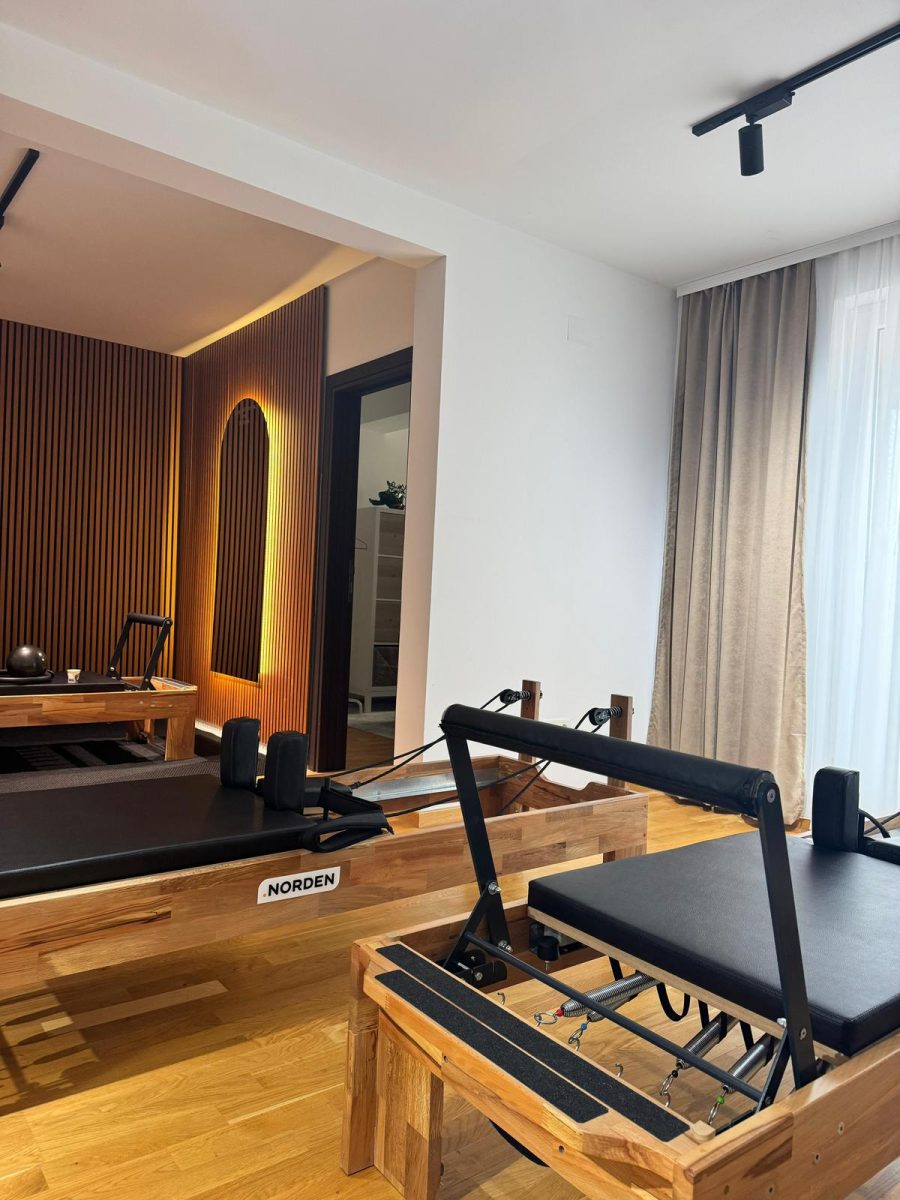
As the name suggests, reformer pilates helps reshape the body. It allows for a greater range of movement than mat-based pilates, activating different muscle groups in the process. During a pilates session, you'll find yourself moving through many different exercises. What matters isn't rushing through a set number of repetitions, but rather how slowly and deliberately you perform each movement while truly feeling the muscle group being engaged — this is what makes a session effective, and it's what allows even the smallest muscle groups to be worked. Reformer pilates improves flexibility while helping to reduce joint stiffness. It also corrects postural imbalances and helps you develop a well-aligned posture. Most people practise it 2 to 4 days a week, and the practice itself teaches full focus and presence in the moment, offering a way to clear the mental fatigue of daily life. By the end of a session, people typically feel more energised and positive. Another key advantage of reformer pilates is that it allows people who can't do other forms of exercise — including those with herniated discs, neck issues or joint conditions — to still practise pilates safely. In fact, doctors often specifically recommend reformer pilates, under the guidance of an instructor, for patients with these kinds of complaints. Frequently used in physiotherapy and rehabilitation centres, reformer pilates also has applications in the medical field, proving highly effective at reducing or even eliminating certain complaints over the long term. On top of all this, one of the best things about reformer pilates is that it suits every body type. Some people use it to work the entire body, while others focus on toning specific areas. Because it differs so much from classic exercise movements, many people genuinely enjoy it. Since it engages so many muscle groups simultaneously, reformer pilates builds overall conditioning and, over time, trains your body to do several things at once. For example, while working your abs with the straps attached, if you also bring your legs to a 45-degree angle from tabletop position and remind yourself to keep your feet pointed, you'll find yourself fully focused on the exercise and achieving several things at the same time. Beyond those with lower back or neck issues and joint conditions, reformer pilates is also recommended for people with diabetes, blood pressure issues or heart conditions. Since it's gentle on the heart and its pace can be adjusted to the individual, it allows you to exercise effectively without raising your heart rate too much, while also helping regulate blood sugar levels.
What Are the Benefits of Reformer Pilates?
- Improves body mass index and supports weight loss.
- Increases flexibility and range of motion.
- Builds balance and stability.
- Helps you step away from daily stress and focus the mind.
- Works and strengthens all major muscle groups, down to the smallest ones.
- Builds core strength.
- Reduces neck, lower back and joint pain.
- Helps correct posture and body alignment issues.
- Leaves you feeling more energetic, dynamic, positive and happy.
- Helps you tone up and look fit.
- Helps you achieve a strong, well-proportioned, healthy body and upright posture.
- Reduces the appearance of varicose veins and cellulite, for smoother-looking skin.
- Offers mental, emotional and physical relaxation and release.
- Boosts confidence and makes you feel more energised.
- Helps stabilise the spine.
- Strengthens all muscles, especially the abdominals.
- Helps you cope with stress, see situations from different perspectives and improve your problem-solving skills.
- Improves overall conditioning and helps keep your body feeling fresh.
- With so many possible movements on the reformer, you'll genuinely enjoy your workout.
- Improves blood circulation.
- Minimises the risk of injury, especially for athletes.
- Reformer pilates teaches correct breathing technique.
- Improves concentration ability and extends focus span to the maximum.
Where Is Reformer Pilates Used?
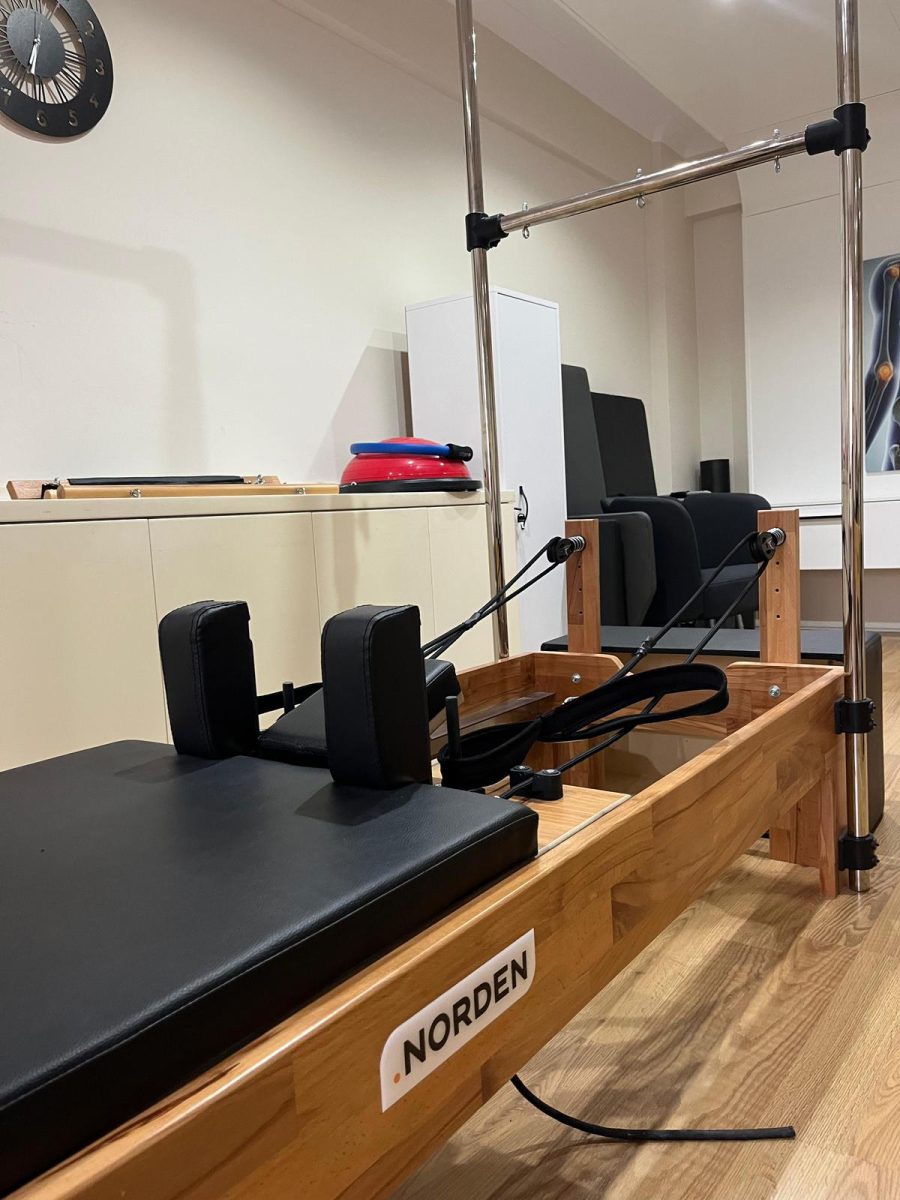
The origins of reformer pilates equipment date back to the First World War. These machines, named after their creator Joseph Pilates, were originally used to help treat injured soldiers during the war. From that era to today, reformer pilates equipment has found its way into many different settings. Strengthening the abdominal, oblique, neck, lower back and leg muscles in particular, reformer pilates is now used in gyms, pilates studios, physiotherapy and rehabilitation centres, hotel and residential fitness rooms, and even private homes. These machines, named by the German-born physician Joseph Pilates after himself, were developed as a rehabilitation method to treat wounded soldiers during the First World War.
Which Muscle Groups Does Reformer Pilates Work?
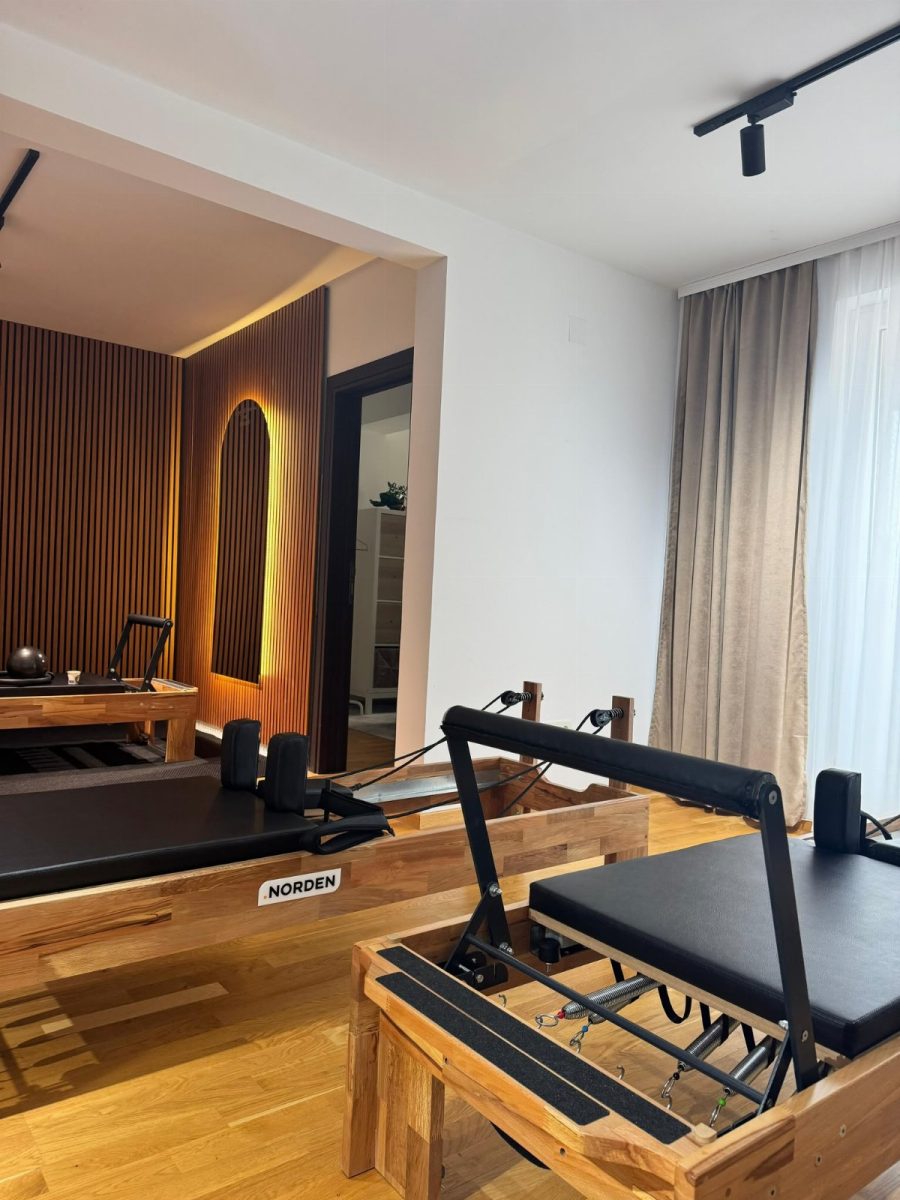
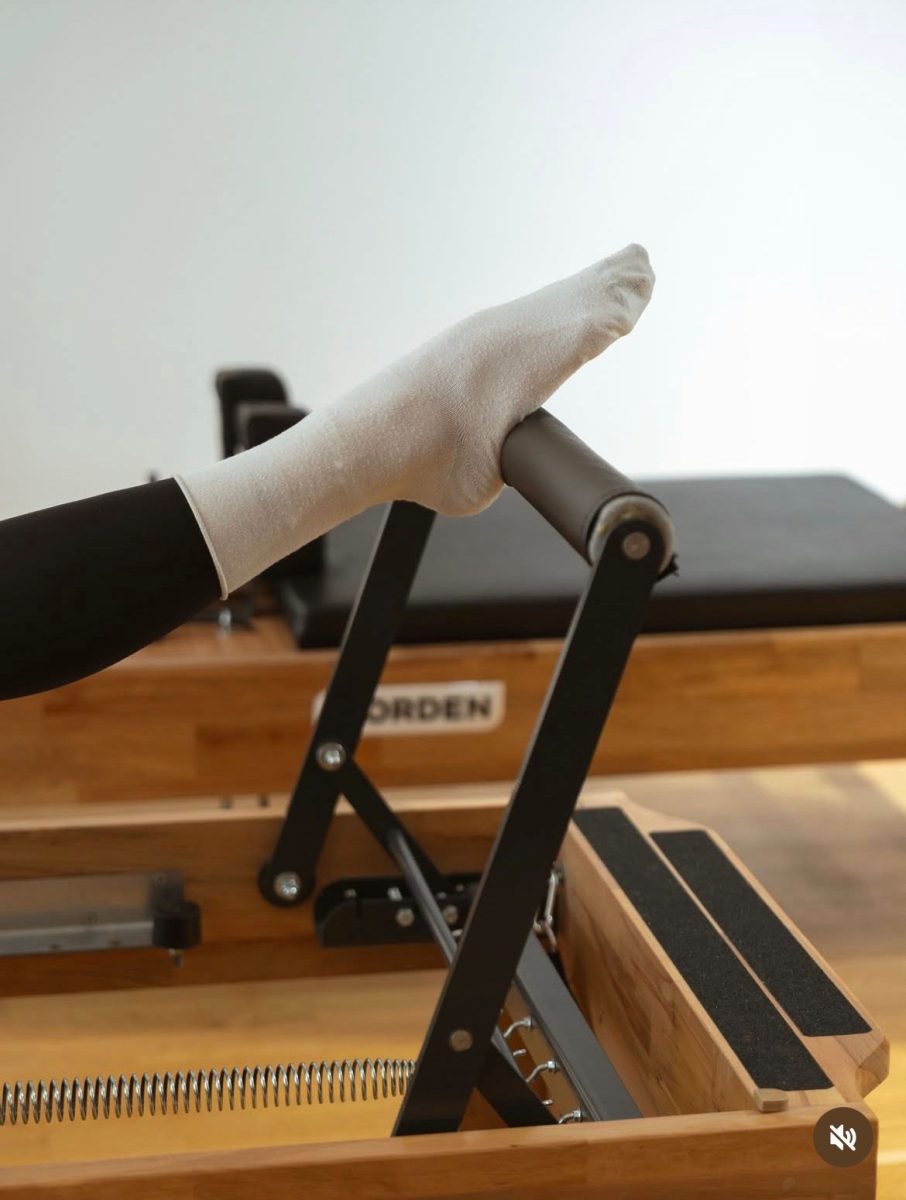
Although it's possible to isolate and target specific areas of the body, the underlying philosophy of reformer pilates is to activate all muscle groups together. This is why, when doing reformer pilates — whether pulling the straps with your arms or pushing the footbar with your legs, while engaging your body's centre of strength — you're never working just a single muscle group. Whether through partly or fully personalised sessions or group classes, you can see for yourself which muscle group each movement targets. Reformer pilates primarily helps strengthen and develop the abdominal, hip, leg, arm and back muscles. It also helps prevent excessive strain being placed on the joints.
- Reformer pilates works the muscles along the spine, correcting posture and alignment issues and helping you achieve good posture.
- Works the lower back and abdominal muscles, giving you a strong, well-defined look.
- Works the lower abdominal muscles, helping that area recover and tighten, particularly after childbirth.
- Works the inner thigh and pelvic floor muscles, improving flexibility.
- Engages all the body's muscles at once, helping create a well-proportioned physique.
- Because it works all the body's muscles together, it also minimises the risk of injury and muscle strain, especially for athletes.
- Movements that engage all muscle groups boost blood circulation and support fat burning.
- Strengthens the pelvic floor muscles, particularly in women, helping prevent problems that can arise later in life.
- Reformer pilates stretches your body inward and outward while also working the adductor muscles, helping tighten the inner thighs and create slimmer, more sculpted legs and hips.


