


Decision Guide: Which Pilates Method Is Right for You?
Two main approaches dominate the ongoing debate among instructors and studio owners in the Pilates world. Reformer Pilates is a resistance-based training method performed on equipment with strong biomechanical support, while Mat Pilates represents the classic approach that uses body weight to target core muscle groups. Are you a physiotherapist setting up a studio? A home user looking to build a regular exercise routine? Or perhaps an experienced instructor wanting to add a new dimension to your existing studio? Whoever you are, this guide offers an in-depth technical and functional comparison.
At first glance, the low cost of Mat Pilates can be appealing. But when it comes to correcting muscle imbalances, applying rehabilitation protocols or ensuring high client satisfaction, the advantages of using a Pilates apparatus become measurably clearer. For example, with a reformer, you can progress a client with shoulder instability gradually using the spring resistance system while keeping the load on the joint under control. Performing the same movement on a mat, on the other hand, often triggers compensation patterns and activates unwanted muscle chains.
In this guide, we break down the anatomical and physiological effects of both methods, a cost-efficiency analysis for studio owners, the technical criteria for choosing equipment, and which client profile benefits most from which method. We also look at the different models Norden Reformer offers (Tower Reformer, Cadillac Reformer and Basic Reformer) and show, with concrete data, which configuration fits your needs.
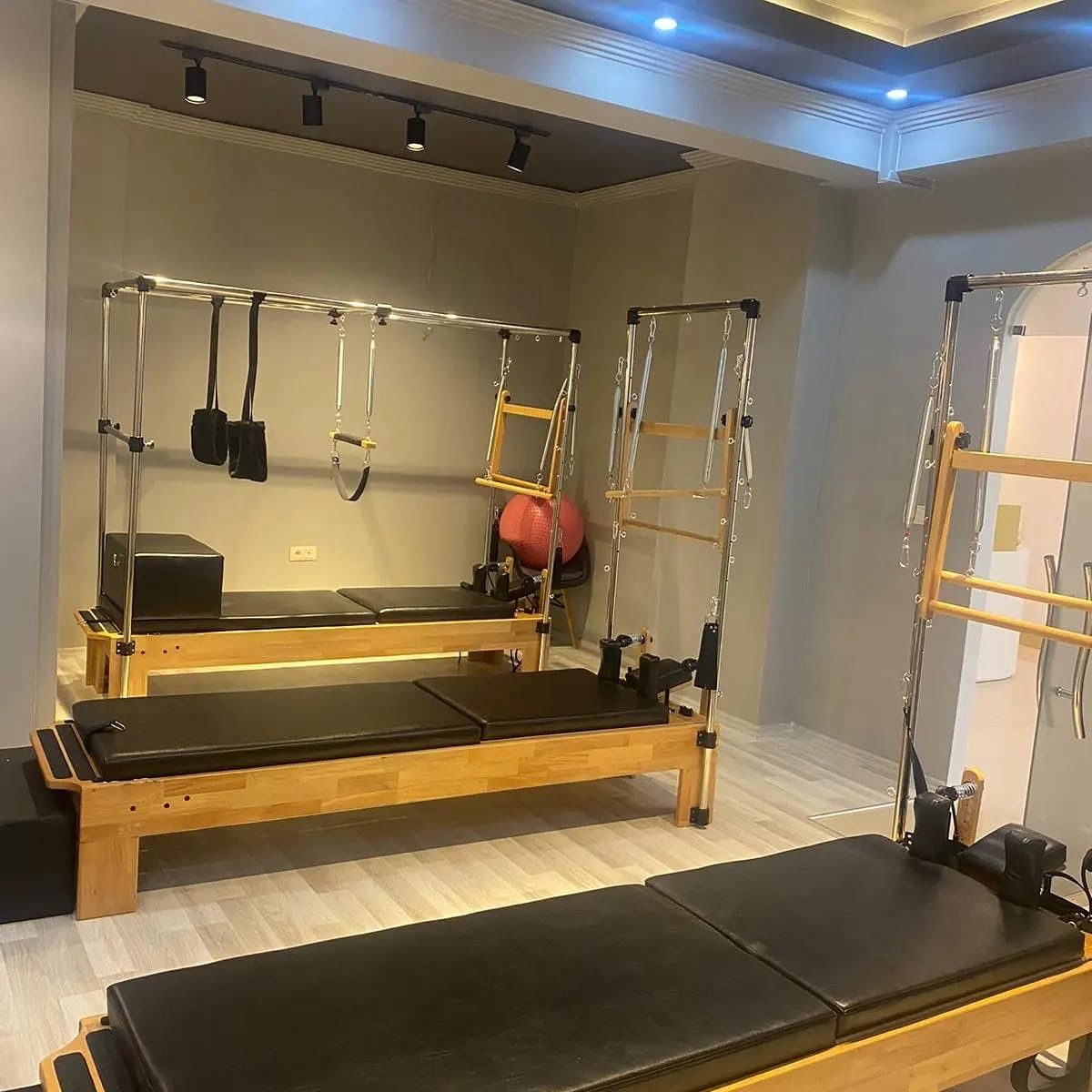
| Comparison Criterion | Reformer Pilates | Mat Pilates |
|---|---|---|
| Resistance Mechanism | 5-spring system (yellow, blue, green, red, black), graduated load adjustment | Body weight and gravity only |
| Joint Support | Full postural control via shoulder rest, footbar and tower system | Minimal support, higher compensation risk |
| Rehabilitation Use | Ideal for acute and chronic injuries, allows isolated work | Better suited to advanced, function-focused movement |
| Studio Cost | See the current price on the product page (Basic model) | Minimal (just a mat and props) |
| Client Range | Suitable for beginners, rehab and advanced clients alike | Best for those with a base level of core strength, intermediate-advanced |
| Long-Term Efficiency | Higher client retention, more revenue per session | Lower per-session fee, class-based group lessons |
Mat Pilates: The Historical Roots of Core Strength and Functional Movement
The system originally developed by Joseph Pilates was built around mat exercises. Designed in the 1920s to reduce injury rates among ballet dancers, these movement sequences focused on core stabilisation and breath control. While Mat Pilates may look advantageous in terms of cost and space since it requires no equipment, it is technically demanding and requires full neuromuscular coordination.
The Biomechanical Basis of Mat Pilates
Using body weight as a lever to simultaneously activate the rectus abdominis, transversus abdominis, multifidus and lumbar erector muscle groups is the core physiological goal of Mat Pilates. But this presents a critical challenge: for a client with a lumbar disc herniation or sacroiliac joint dysfunction, performing a hundred or roll-up while supporting their own body weight can trigger compensation patterns. Excessive activation of the psoas muscle group in particular can increase lumbar lordosis and amplify pain signals.
Another issue with mat exercises is that resistance progression becomes limited as the client advances. Strength gains can then only be achieved by changing body position or extending the lever arm — which may not be enough, especially for athletic clients or in advanced stages of rehabilitation. On the other hand, Mat Pilates is extremely efficient for group classes in a studio setting. A single instructor can run a standard protocol for 10-15 people at once, maximising revenue per session.
Which Client Profile Benefits from Mat Pilates?
Mat Pilates suits clients who already have good postural awareness, sufficient core stabilisation strength, and who want to improve movement quality. For athletic profiles that require functional movement competence — dancers, swimmers, marathon runners — dynamic mat-based movements strengthen proprioception and balance. That said, Mat Pilates is far from ideal for beginner clients, since without an external support system to correct postural errors, faulty activation patterns can become reinforced.
From a studio business perspective, while Mat Pilates offers a low-cost advantage, long-term client retention can be lower, because clients tend to plateau quickly and lose their sense of progress. Reformer training, by contrast, provides a tangible progress metric — increasing spring resistance session by session — which keeps motivation high.
Reformer Pilates: The Neuromuscular Advantages of Resistance-Based Training
The reformer, with its spring resistance system, moving carriage and fixed support points, is the most advanced equipment-based expression of the Pilates method. Joseph Pilates originally designed this system so that bedridden hospital patients could rehabilitate without getting out of bed. Today it's widely used in both rehabilitation and performance training. Every movement on the reformer includes controlled eccentric and concentric contraction phases, creating an ideal stimulus for muscle fibre hypertrophy.
The Mechanical Design and Resistance Physiology of the Reformer
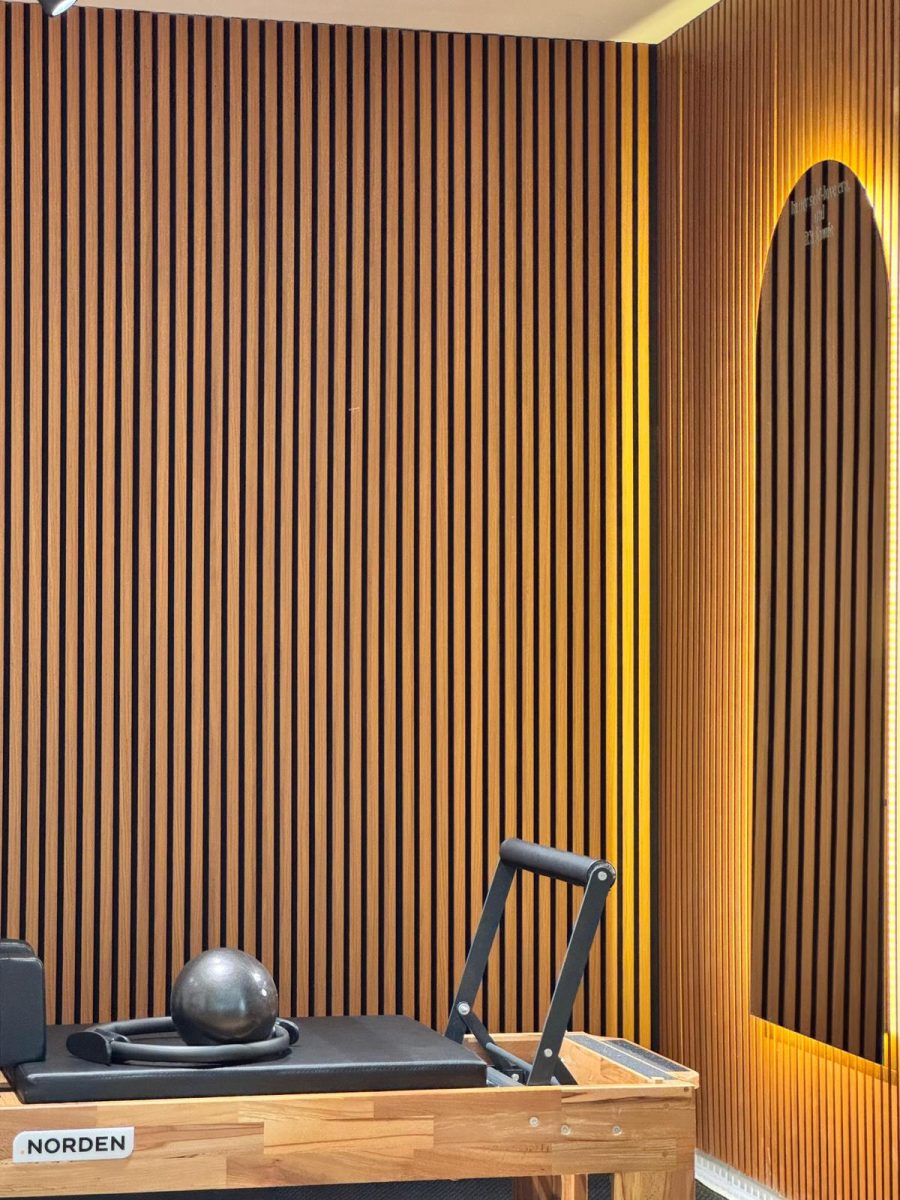
The 5-spring system used on Norden Reformer machines offers a graduated resistance range from yellow (lightest), through blue, green and red, to black (heaviest). This system provides variable load across the strength curve, allowing muscle fibres to reach maximal activation at different angles. During a glute bridge, for example, hip extension meets the highest resistance in the terminal phase, allowing maximal isometric activation of the gluteus maximus.
The 8-wheel system with 16 bearings minimises friction in the carriage's movement. This matters not just for comfort but also for reducing shear forces on the joints. For clients with knee osteoarthritis or patellofemoral pain syndrome in particular, low-friction resistance widens the pain-free range of motion.
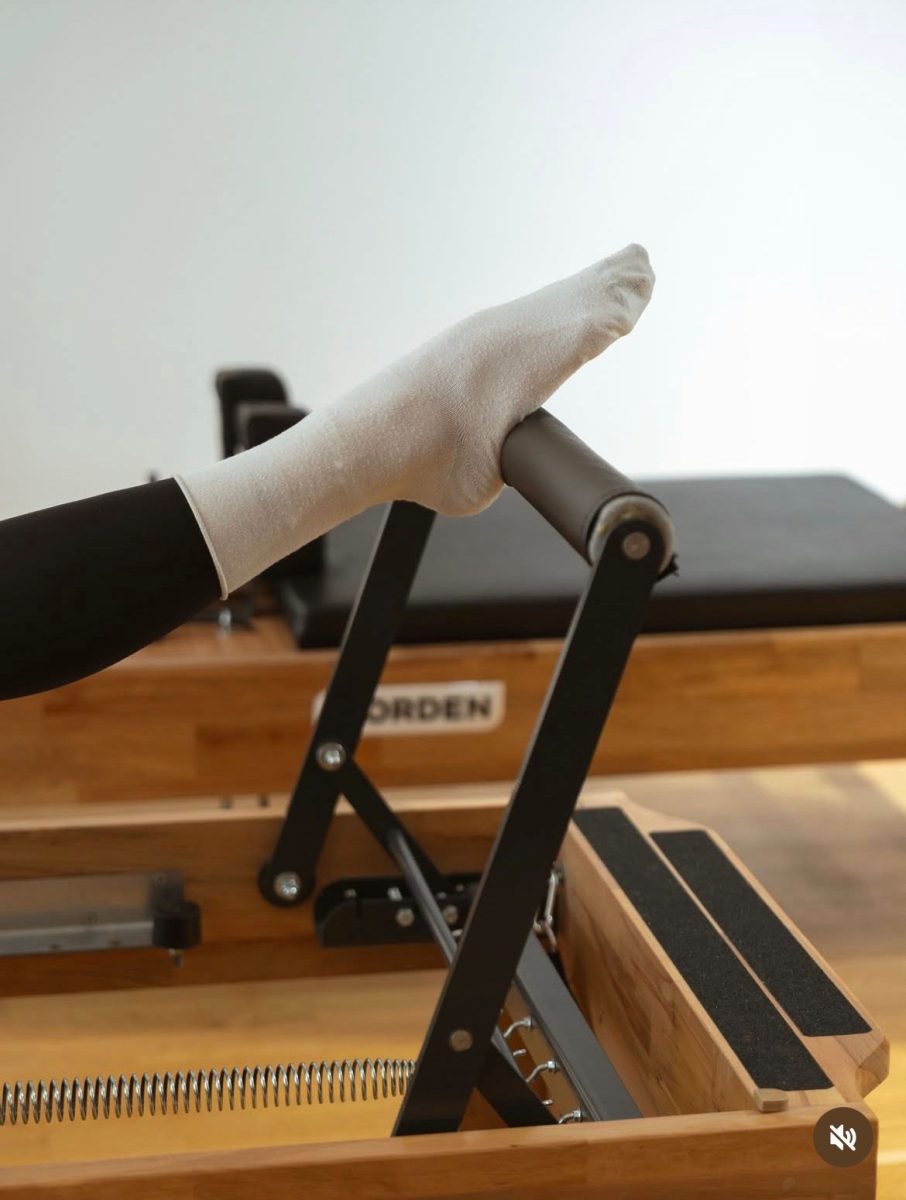
The 4-position footbar lets you set the optimal leg angle for clients of different heights, helping prevent compensatory movement in the lumbar spine and maximise core activation. The 3-position gearbar and stopper system adds safety, especially for advanced movements such as the long stretch series.
Cadillac Reformer and Tower Reformer: The Clinical Value of the Tower System
The Cadillac Reformer has a full steel chrome cage structure at the top, while the Tower Reformer offers a vertical tower on one side only. This structural difference brings a real operational advantage in studio use. With multiple accessory points — trapeze bar, push-through bar, leg springs and arm springs — the Cadillac offers a rich movement repertoire, especially for advanced clients. Hanging pull-ups or roll-down bar work, for instance, have a deep impact on thoracic mobility and scapular stabilisation.
The Tower system offers similar benefits with a more compact footprint. It's ideal for advanced users who want to train regularly at home. In clinical practice, for shoulder impingement syndrome rehabilitation, you can isolate the rotator cuff muscles using the arm spring and apply gradual load progression — a level of rehabilitation specificity you simply can't achieve on a mat.
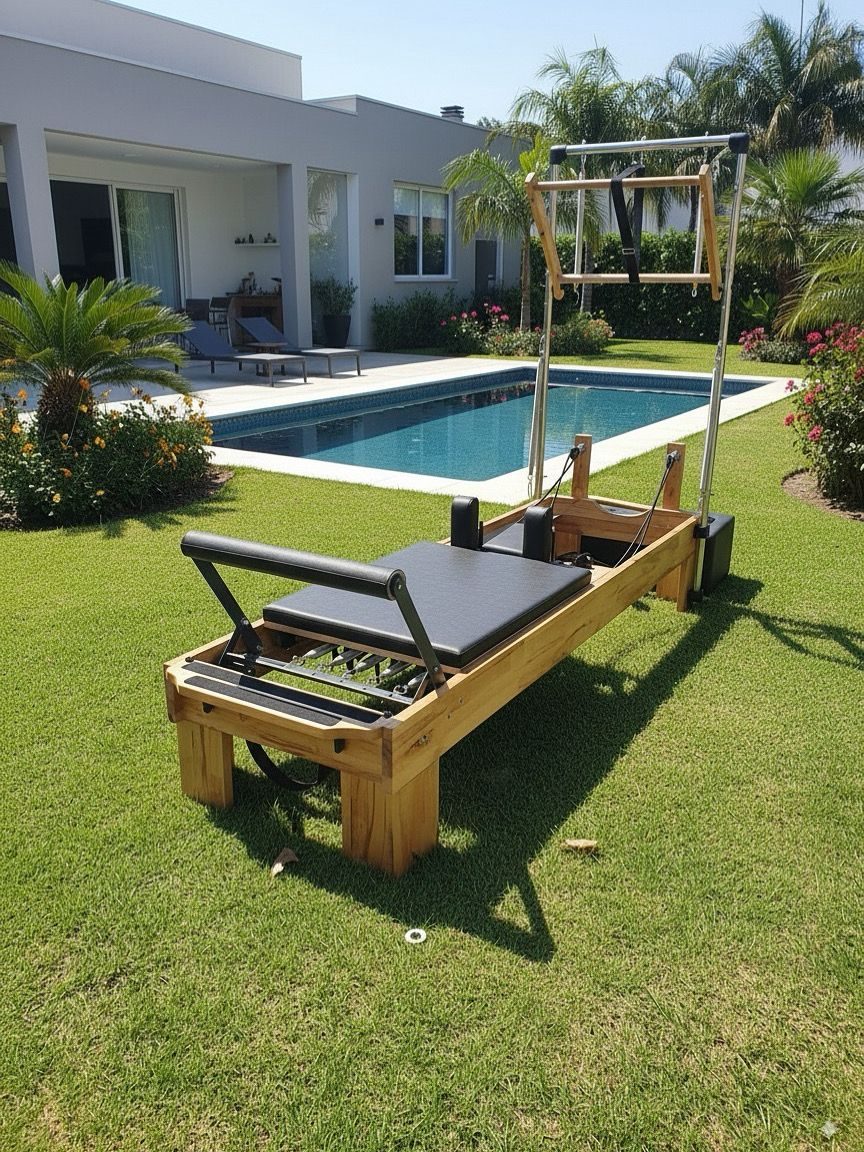
304 chrome steel is the material used, chosen for its corrosion resistance and long lifespan — a standard preferred in medical equipment. This material choice minimises maintenance costs, especially in humid environments or high-traffic studios.
Reformer vs Mat From a Rehabilitation Perspective: Which Injury Profile Suits Which?
A question physiotherapists often face: can I work with a client who has a lumbar disc herniation on a mat? Short answer: yes, but the risk is high. Lumbar flexion movements are known to create anterior shear force on the disc. Mat movements like roll-up or teaser can amplify that force. On the reformer, however, a pelvic curl performed with footbar support keeps the lumbar segments in a neutral position, enabling safe core activation.
Lumbar Stabilisation Protocol with the Reformer
The reformer is the gold standard for progressive stabilisation training, particularly in cases of lumbar spine instability. In the initial phase, you can start the client in a supine position with low spring resistance (yellow spring only) for foot-pressure work. This triggers co-contraction of the transversus abdominis and pelvic floor muscles, increasing intra-abdominal pressure and creating a natural corset effect. In later sessions, you can increase the number of springs to bring the hamstrings and glutes into play and transition to the functional movement chain.
Achieving the same progression on a mat is much harder, since resistance can only be increased by changing the lever arm — which challenges the client's technical competence and raises the risk of compensation. In obese clients or those with weak core strength in particular, mat exercises can increase lumbar lordosis and worsen symptoms.
The Reformer's Advantage in Shoulder and Upper Extremity Rehabilitation
For shoulder issues such as rotator cuff tendinopathy, scapular dyskinesis or glenohumeral instability, the Tower Reformer and Cadillac Reformer models — thanks to the arm spring and push-through bar — offer a uniquely effective rehabilitation environment. In a case of supraspinatus tendinopathy, for example, you can perform graduated abduction work with the arm spring to build muscle strength without crossing the pain threshold. Attempting the same movement on a mat either triggers pain or produces compensatory deltoid activation.
Rotation and extension movements performed on the reformer also play a key role in thoracic spine mobilisation during postural correction. The increased kyphosis commonly seen in desk workers can be systematically reversed with reformer exercises — delivering not just symptomatic relief but long-term postural improvement.
Studio Business and Cost Analysis: The Return on a Reformer Investment
If you're planning to open a new studio, you should view equipment investment not as a cost but as a long-term revenue source. While reformer prices may look high at first — see our reformer pricing guide — the revenue potential per session and client retention rates typically pay back that investment within 6-12 months.
Cost and Capacity Analysis by Model
Norden Reformer offers three different reformer models to meet different studio needs:
The Basic Reformer (see the current price on the product page) includes a basic footbar and the 5-spring system. The Box and jump board are included, so there's no extra accessory cost. If your studio will focus purely on basic reformer classes and space is limited, this model is a cost-effective starting point. Say you run an average of 6 sessions a day at a given session rate — over 25 working days a month, a single reformer can generate substantial monthly revenue, often covering the equipment cost within the first month.
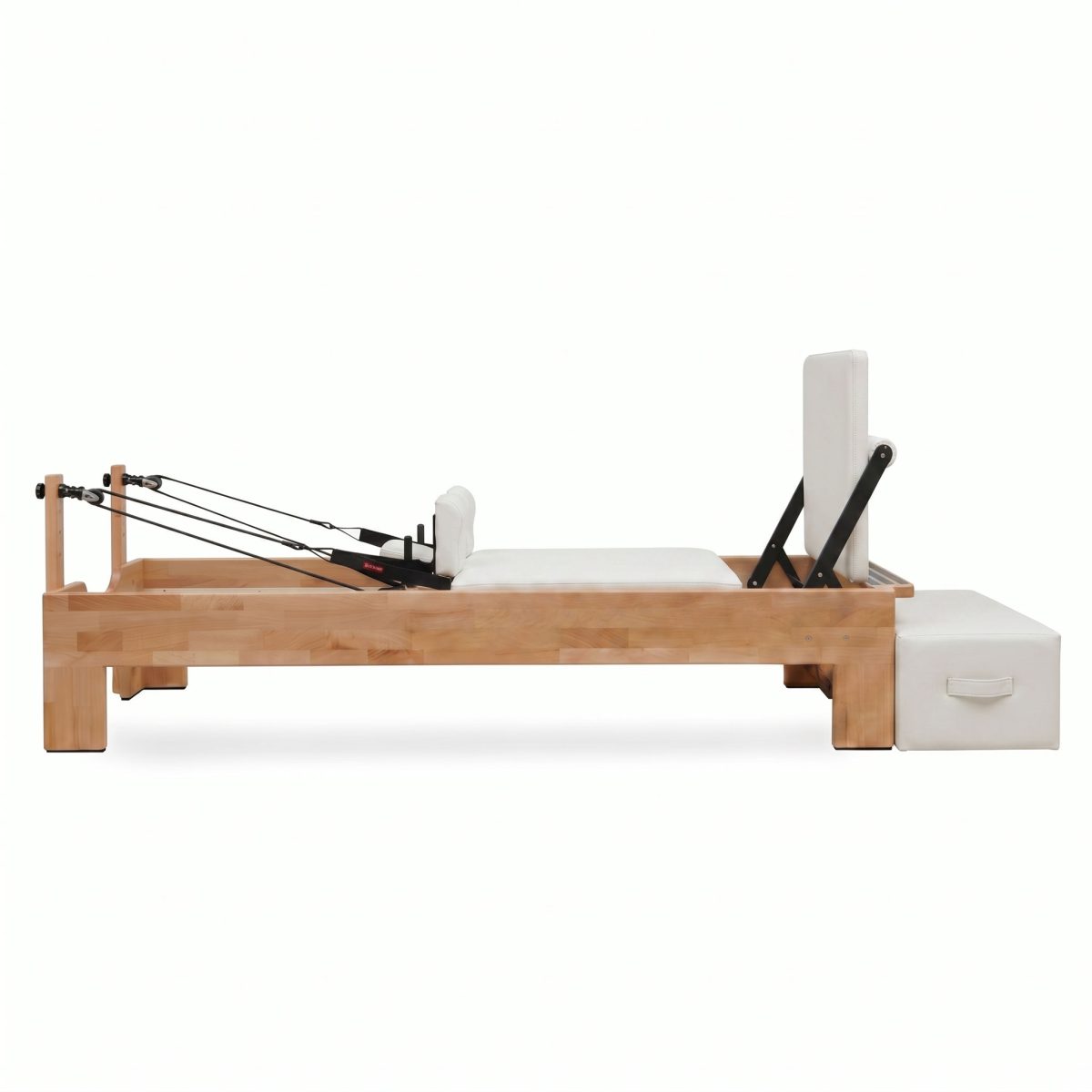
The Tower Reformer (see the current price on the product page) comes with the vertical tower system, giving you access to advanced accessories such as the arm spring, leg spring and roll-down bar. If your studio serves both beginner and advanced clients, this model offers real versatility. You can also charge higher rates for private sessions, since the range of movement you can offer increases. Over the course of a year, the Tower model can help lift client retention significantly, as clients can feel their progression concretely.
The Cadillac Reformer (see the current price on the product page), with its full cage structure, is the choice of top-tier studios and rehabilitation clinics. With the trapeze bar, push-through bar and multiple spring points, it's ideal for both group classes and specialised rehab sessions. In a premium-priced studio, using the Cadillac boosts brand value and maximises revenue per client. If you work with athletes in particular, the plyometric and strength work possible on the Cadillac can make a real difference to performance outcomes.
Logistics and Operational Efficiency
Norden Reformer's logistics system offers real convenience for studio owners. Production is completed within 9 business days, and equipment ships fully assembled, with delivery, taxes and duties included in the price. The base arrives pre-assembled — you only need to attach and tighten the tower section to the base. With video support, this can be done in under 30 minutes. The risk of damage often seen with standard courier shipping is eliminated here, thanks to professional packaging and handling protocols during transport.
This fully assembled, professionally handled delivery means you receive a sound, well-protected piece of equipment that minimises long-term maintenance and repair costs. On top of that, a 2-year parts warranty ensures your studio can run without interruption.
Material Science and Longevity: Why Solid Beech Wood and 304 Chrome?
When choosing a reformer, material quality matters far more than appearance. Norden Reformer uses Grade-A solid beech wood, delivering a product that's both aesthetically refined and highly durable. Beech is known for its high-density fibre structure, strong impact absorption and crack resistance. In busy studios especially, the load placed on the frame by heavier clients mounting and dismounting or performing dynamic jumping movements is absorbed by the solid beech frame, minimising the risk of deformation.
4-Layer Special Matte Lacquer: A Barrier Against Moisture and Sweat
The reformer surface comes into daily contact with clients' sweat, moisture and sometimes cleaning chemicals. Norden Reformer coats the surface with 4 layers of special matte lacquer, protecting the wood and providing a hygienic surface. This coating forms a waterproof barrier that prevents the wood from swelling and keeps the surface smooth for years. The matte lacquer also keeps the carriage's sliding friction coefficient balanced, delivering a quiet, fluid movement experience.
The antibacterial, Grade-A faux leather upholstery is particularly important from a hygiene standpoint. In studios, the same equipment is used by multiple clients, and leather surfaces carry potential risk for bacterial and fungal growth. The antibacterial coating minimises this risk and, combined with regular cleaning protocols, ensures a long-lasting, hygienic surface.
Heavy Frame, No Wobble: A Safety Factor
The reformer weighs around 250 kg. At first glance, this might seem like a drawback for transport, but it's a major safety advantage in studio use. During dynamic movements in particular — such as plyometric squats on the jump board — lighter-framed reformers can wobble and cause clients to lose balance. Norden Reformer's heavy frame stays firmly planted on the floor, with no drift or vibration during movement. This isn't just about safety — it also builds client confidence, which in turn maximises performance.
Which Method Suits Which Client Profile? Tailored Protocol Recommendations
Every client who walks into your studio has a different movement history, injury profile and goal. Choosing the right method is key to both client satisfaction and treatment success.
Beginner Clients: Why the Reformer Is Essential
For clients with no prior Pilates experience, low core awareness, or weight management goals, the reformer should always be the preferred choice. Thanks to footbar and shoulder rest support, it provides an external reference point during the process of learning correct posture. When a client performs a movement incorrectly, the carriage won't move properly, or the springs make an unusual sound. This instant feedback accelerates motor learning and prevents incorrect patterns from becoming ingrained.
On a mat, by contrast, a beginner client often struggles to understand which muscles they should be activating, and usually completes the movement using the wrong muscle chains. During a hundred, for instance, the neck flexors can become overactive, leading the client to end the session with neck pain. On the reformer, however, the headrest support and adjustable angles keep the neck in a neutral position, allowing safe core activation.
Advanced and Athletic Clients: A Combined Approach
For athletes with strong functional movement competence and good core strength, combining mat and reformer work gives the best results. A runner, for example, could follow a protocol of 2 reformer sessions a week for hamstring and glute strengthening, plus 1 mat session to build core endurance. The reformer provides isolated muscle strengthening, while the mat develops functional stabilisation and proprioception.
For advanced clients, using the Cadillac Reformer also allows for plyometric and strength training with accessories like the trapeze bar and roll-down bar. In jump-heavy sports such as basketball or volleyball, controlled jumping movements on the reformer increase eccentric strength and reduce injury risk.
Geriatric and Special Populations: Safe Movement with the Reformer
When older clients present with chronic conditions such as osteoporosis, osteoarthritis or neurological disorders, working on a mat carries significant risk. Difficulty getting up and down from the floor, balance loss and fall risk make mat use almost impossible for this population. The reformer, with its adjustable-height platform, makes it easy for the client to sit and stand. Lower resistance levels (yellow or blue spring only) also allow movement training with minimal load, enabling muscle activation without triggering joint pain.
For clients with Parkinson's disease, the rhythmic, repetitive movements on the reformer improve motor control and coordination. The sliding carriage, in particular, provides visual and proprioceptive feedback that strengthens the brain-muscle connection. For these special populations, mat work alone falls short on both safety and effectiveness.
Scientific Research and Clinical Evidence: Which Is More Effective, Reformer or Mat?
Pilates research has grown rapidly over the past 15 years. Randomised controlled studies on lower back pain, postural disorders and core stabilisation in particular show that reformer Pilates tends to outperform mat Pilates in effectiveness.
The Reformer's Edge in Lower Back Pain
A meta-analysis published in 2018 found that reformer Pilates reduced pain scores in chronic lower-back-pain patients by 23% more than mat Pilates. The researchers noted that the controlled resistance and support system on the reformer provided better lumbar segment stabilisation and prevented compensatory movements. Reformer use was also found to speed up the rate of pain reduction per session, shortening overall treatment time.
Another study found that reformer exercises reduced nerve root compression and improved lower-extremity function in patients with sciatic pain, while some patients experienced worsening symptoms with mat exercises. These findings confirm that for physiotherapists working in rehabilitation, using a reformer is a clinical necessity, not just a preference.
Core Activation and EMG Studies
Electromyography (EMG) studies show that movements performed on the reformer generate 18-30% higher activation in the transversus abdominis and multifidus muscles compared with mat exercises. The spring resistance system, in particular, keeps muscles contracted for longer in the eccentric phase, creating an optimal stimulus for muscle hypertrophy.
Rotational movements on the reformer also activate the oblique muscles more evenly. On a mat, the dominant side can become overactive, leading to asymmetry. The reformer's symmetrical resistance helps maintain bilateral muscle balance and delivers faster results in postural correction.
Studio Setup and Space Planning: Requirements for the Reformer
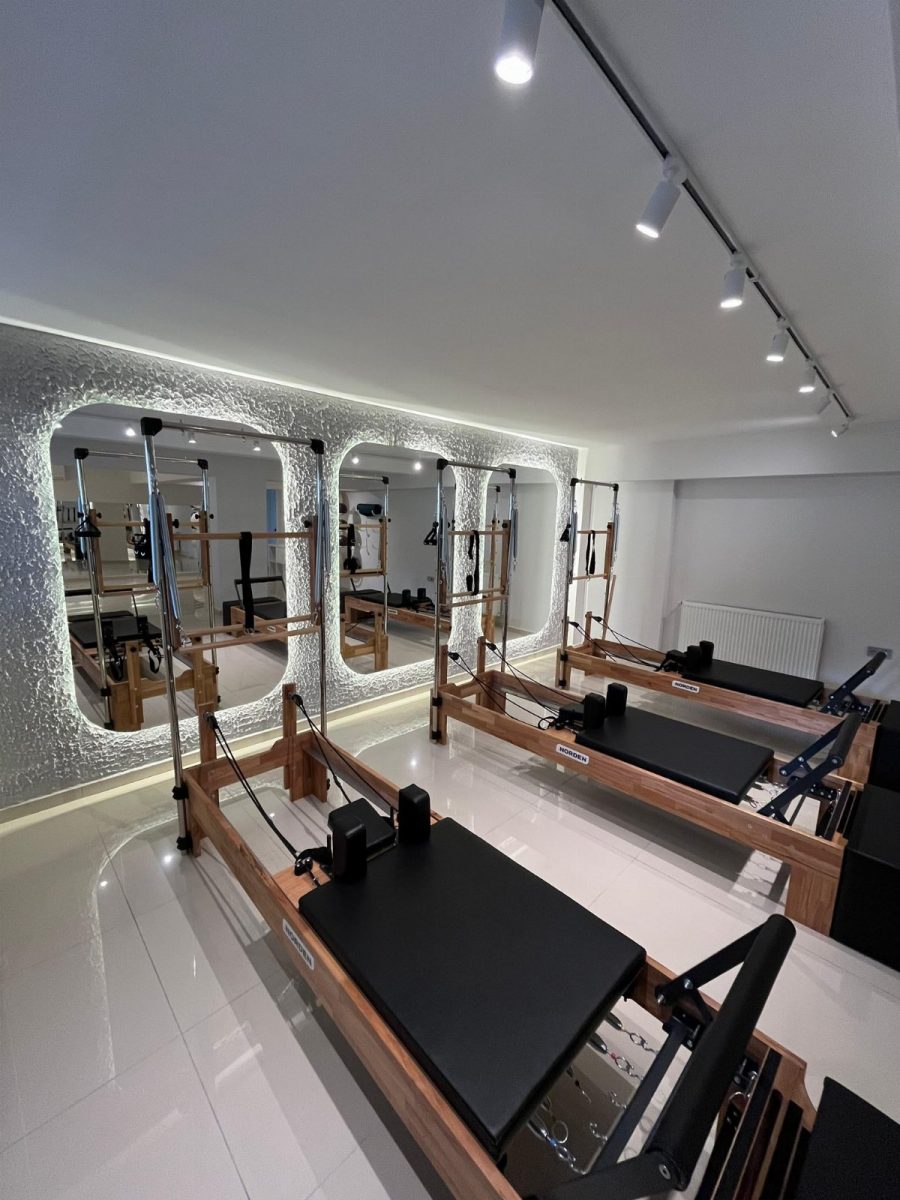
Before choosing equipment, you need to plan your studio layout. A reformer is approximately 240 cm long and 70 cm wide. However, you should leave at least 1 metre of clearance around each reformer so clients can move comfortably. That means allocating a total of around 4.5-5 m² per reformer.
Reformer Count and Studio Capacity
If you'll be running group classes, you should have at least 4-6 reformers in your studio. This keeps the class dynamic lively and boosts revenue potential. A studio running regular group classes and multiple sessions a day can typically recoup its equipment investment within the first 2-3 months.
For private sessions, 2-3 reformers may be enough. That said, to broaden your client base and reduce waiting times, it's worth stocking different model options. A Basic Reformer for fundamental work, a Tower Reformer for advanced clients, and a Cadillac Reformer for rehab and athletic clients make for an ideal combination.
Flooring and Acoustic Considerations
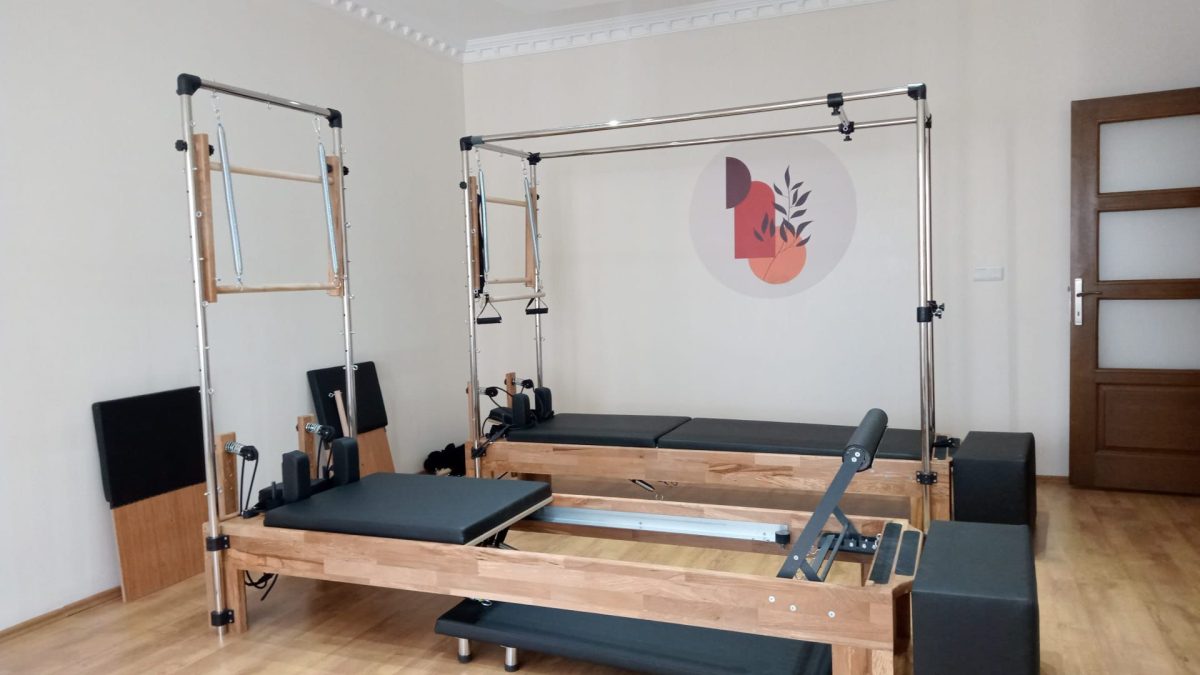
Although reformers run very quietly thanks to their high-quality bearing systems, your studio floor still needs to be level and solid. In older buildings in particular, wooden floors can creak or vibrate under reformer use. In such cases, we recommend placing anti-vibration mats under the equipment. Adding sound-insulating panels to walls and ceilings also helps with studio acoustics, benefiting both client comfort and relations with neighbours.
Financial Planning: Why Now Is the Time to Invest
Investing in a reformer may look like a significant outlay at first, but with production completed in 9 business days and delivery, taxes and duties already included in the price, the real cost is more transparent than it might seem. For a studio running even a modest number of private or group sessions each week, the investment typically pays for itself well within the first year.
Return on Investment and Profitability
The payback period for a reformer investment depends on how intensively the studio is used, but in typical scenarios, studios reach breakeven within 6-12 months. Revenue may be modest in the first 3 months while you build your client base. From the 4th month onward, however, word-of-mouth and social media exposure tend to drive client numbers up quickly. By month 6, many studios are filling 70-80% of their capacity and seeing improved profit margins.
Over the long term, reformer maintenance costs are very low. The 2-year parts warranty from Norden Reformer means no extra cost in the event of a fault. A modest annual budget for routine maintenance (spring replacement, bearing lubrication) is generally all that's needed — a negligible amount relative to annual revenue.
Combining Mat and Reformer Pilates: A Hybrid Model
Many successful studios combine mat and reformer classes to serve different client segments. This hybrid model offers advantages both in revenue diversity and client retention.
Sample Weekly Schedule
An ideal schedule for a studio might look like this: Monday and Wednesday mornings, a mat Pilates group class (8-12 people); the same afternoons, private reformer sessions on the hour. Tuesday and Thursday mornings, reformer group classes (around 6 people); afternoons, more private sessions. Friday, mixed-level group classes combining both mat and reformer. With this schedule, you'd typically deliver around 30-35 teaching hours a week, generating solid monthly revenue across both formats.
Another advantage of the hybrid model is that it lets you manage a client's progression. You could start a beginner client on a 4-week reformer-based strengthening protocol before transitioning them into mat group classes — building both client loyalty and multiple revenue streams.
Frequently Asked Questions (FAQ)
Is There a Difference in Calorie Burn Between Reformer and Mat Pilates?
Yes — when performed at higher resistance levels, reformer Pilates can burn 20-30% more calories than mat Pilates. The spring resistance system works the muscles more intensely, raising metabolic demand. That said, calorie burn varies with movement intensity and the client's body composition. On average, a 60-minute reformer session burns between 250 and 400 calories.
Does a Reformer Make Sense for Home Use?
If you practise Pilates regularly and are thinking long term, absolutely. Foldable reformer models offer an ideal solution for home use. Annual studio membership fees can add up considerably over a couple of years, often exceeding the cost of owning a reformer outright — meaning the equipment effectively pays for itself within that time. Training at home with a reformer also gives you scheduling flexibility and a fully personalised programme.
How Much Does the Price Difference Between Basic, Tower and Cadillac Reformers Translate Into Performance?
The price difference comes from the added accessories and functional range. The Basic model is sufficient for fundamental reformer movements. The Tower model adds the vertical tower system along with advanced accessories like the arm spring and leg spring. The Cadillac, with its full cage structure, offers the widest movement repertoire. If your studio will focus purely on basic classes, the Basic model is enough — but for advanced clients and rehabilitation work, the Tower or Cadillac is the better choice.
Is Reformer Maintenance Difficult? How Often Does It Need Servicing?
Reformer maintenance is quite simple. Check the bearings once a month and lubricate if needed. Replacing the springs once a year keeps resistance levels consistent. Regularly cleaning the upholstery with antibacterial spray maintains hygiene. Since Norden Reformer offers a 2-year parts warranty, you get free support for any fault within that period. Generally, a modest annual maintenance budget is all that's needed.
Is the Reformer or Mat Safer for Pregnant Clients?
During the 2nd and 3rd trimesters, the reformer is the safer option. With its shoulder rest and footbar support, it protects the lumbar region while still allowing core work. Supine (lying on the back) positions on a mat can cause vena cava compression, especially after week 20. Semi-reclined positions on the reformer eliminate this risk. That said, pregnant clients should always get medical clearance and work with a certified prenatal Pilates instructor.
Conclusion: Which Is the Right Choice for You?
Reformer Pilates and Mat Pilates aren't competitors — they're complementary. But in professional studio settings and rehabilitation work especially, reformer use is essential. With its graduated resistance system, postural support and wide range of movement, the reformer offers many advantages mat Pilates simply can't match. It speeds up the learning curve for beginners, supports performance development in advanced clients, and creates a safe training environment for special populations.
From a studio business standpoint, a reformer investment may look substantial at first, but it typically pays for itself within 6-12 months and delivers strong profit margins over the long term. Norden Reformer's Basic Reformer, Tower Reformer and Cadillac Reformer models — see the current prices on the product pages — meet different studio needs and are built from solid beech wood and 304 chrome steel, backed by a 2-year warranty.
Mat Pilates, meanwhile, is a great option for clients who already have good functional movement competence and sufficient core strength. It offers a cost-effective solution for group classes and adds variety to a studio's programme. However, for beginners, rehabilitation and special populations, mat work alone isn't enough.
In short, if you're planning to set up a professional studio, you should have at least one reformer. For home training, it's worth considering the foldable reformer options. The reformer isn't just a piece of exercise equipment — it's a strategic investment that boosts client satisfaction, treatment outcomes and studio revenue. For the right model, quality materials and reliable logistics, Norden Reformer stands out as a trusted, technically sound partner.
Now's the time to find the right model for you — get in touch for more details.


