


Reformer Pilates for Adults Over 50: Age-Specific Physiological Needs and Equipment Selection
After age 50, loss of muscle mass (sarcopenia), declining bone mineral density, degeneration of joint cartilage and weakening balance and coordination mechanisms all begin to take hold. During this stage, poorly chosen or improperly used exercise equipment can raise the risk of injury, while a well-chosen reformer pilates machine, used with controlled movements under the guidance of a physiotherapist, strengthens the musculoskeletal system and builds the functional capacity needed to preserve independence in later life.
The biggest advantage of reformer pilates for people over 50 is that resistance levels can be adjusted gradually and precisely. Instead of the sudden loading typical of classic weight-room training, the gradual, controlled resistance provided by the spring system allows joints to work through safe ranges of motion without shocking cartilage structures. For people with osteoarthritis, osteoporosis, lumbar disc disease, or menopause-related muscle loss in particular, rehabilitative exercise based on a pilates machine is a clinically proven method for managing pain and improving functional capacity.
Decision Summary: Which Model Suits Your Needs?
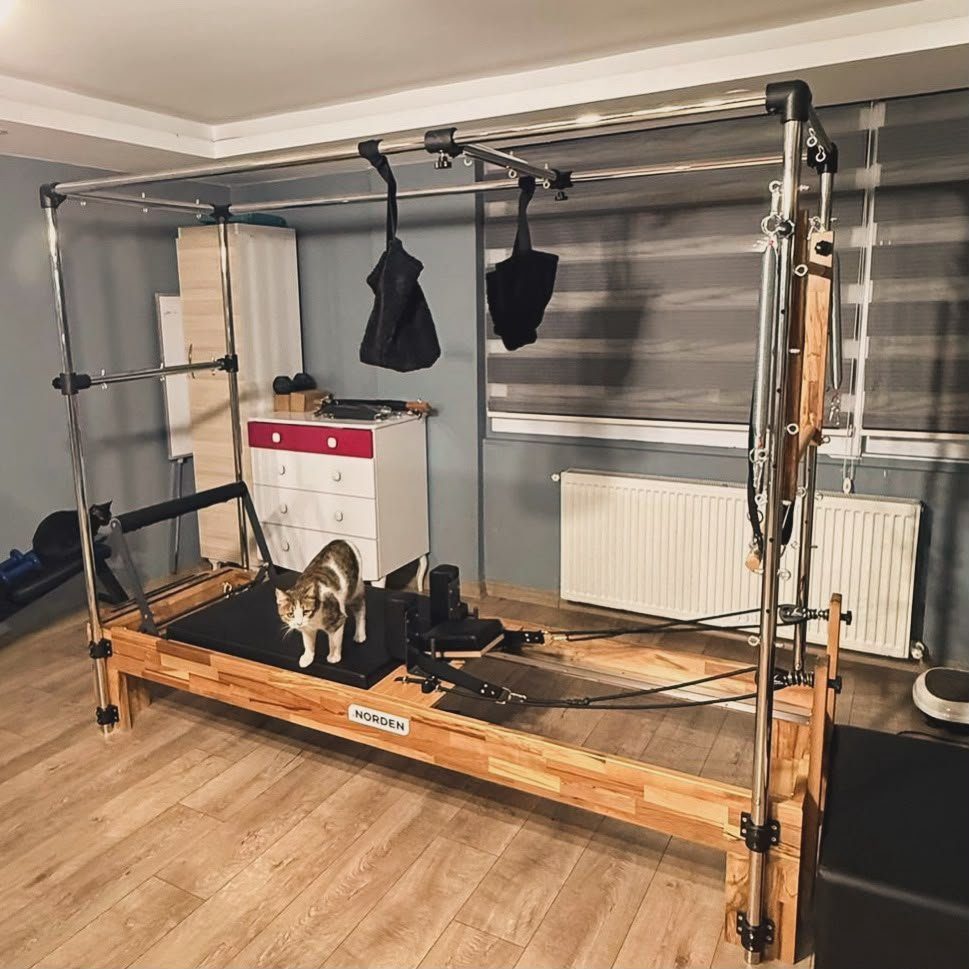
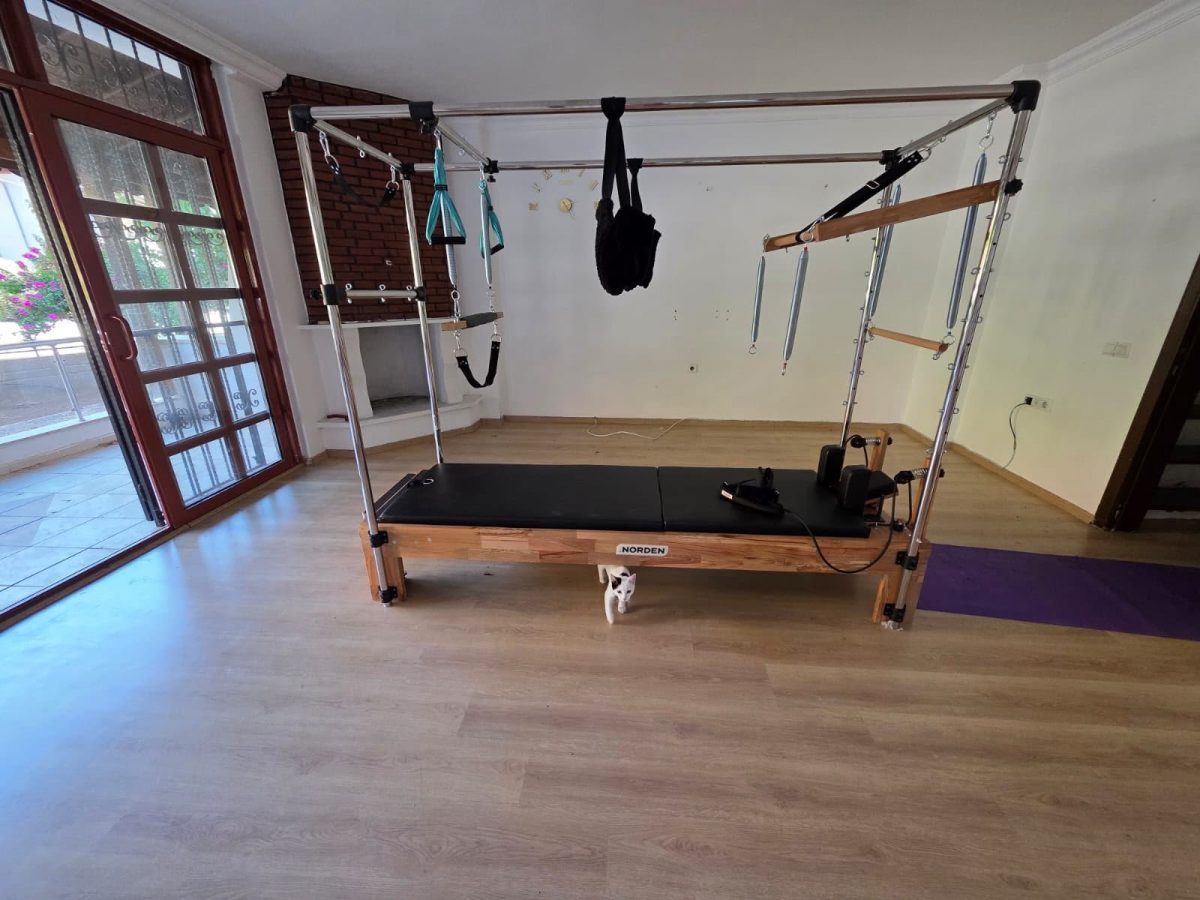
Choosing the right equipment for users over 50 should be weighed in terms of both safety and room for progression. The Basic Reformer is an entry-level option for people with mild mobility issues who want to maintain basic movement patterns at home, while the Tower Reformer, with its single-sided tower support, allows for a wider variety of standing, seated and lying postural work. The Cadillac Reformer, thanks to its full cage system, enables advanced rehabilitation work such as supported standing, arm-leg dissociation and proprioceptive training, making it the model most favoured by physiotherapists in studio settings.
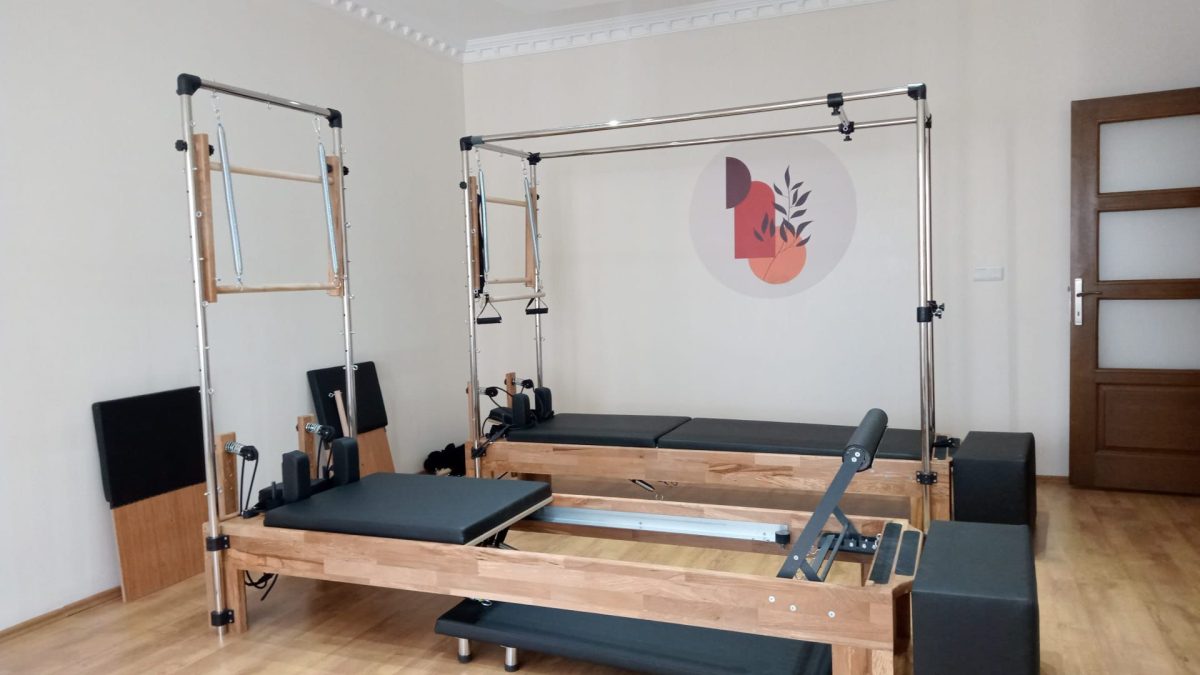
If you have no previous experience with clinical pilates, or have had knee, hip or shoulder surgery, your first sessions should always take place under the supervision of a certified instructor or physiotherapist. If you're planning to use the equipment at home, our technical guide on what to look for when buying a reformer offers detailed criteria for age-appropriate equipment evaluation.
| Feature | Basic Reformer | Tower Reformer | Cadillac Reformer |
|---|---|---|---|
| Price | See the current price on the product page | See the current price on the product page | See the current price on the product page |
| Vertical Support System | None | Single-Side Tower (304 Chrome Steel) | Full Cage (4 Posts) |
| Standing Exercise Options | Limited | Moderate | Advanced |
| Osteoporosis-Friendly Modifications | Basic | Good | Excellent |
| Footbar Adjustment | 4 Positions | 4 Positions | 4 Positions |
| Spring Resistance | 5 Springs (Yellow, Blue, Green, Red, Black) | 5 Springs (Yellow, Blue, Green, Red, Black) | 5 Springs (Yellow, Blue, Green, Red, Black) |
| Box and Jump Board | Included | Included | Included |
| Assembly | Carriage/frame arrives pre-assembled | Carriage pre-assembled, tower attaches on-site | Carriage pre-assembled, tower attaches on-site |
| Warranty | 2 Years | 2 Years | 2 Years |
Bone and Muscle Loss with Ageing: Why Reformer Pilates Matters
After 50, people typically lose an average of 8% of muscle mass per decade; women experience a 1-2% annual decline in bone mineral density after menopause due to falling oestrogen levels, and the loss of elastic fibres in fascial tissue leads to a significant functional decline in the movement system. Classic exercise programmes at this stage tend to rely on single-axis, heavy-load patterns that strain the cardiovascular system and can leave people feeling "incapable."
Reformer pilates, by contrast, is built on the principle of controlled eccentric contraction. That is, the muscle works under resistance even as it lengthens, which helps protect muscle fibres from microscopic damage and keeps them functional for longer. In particular, the footwork series performed on a reformer pilates machine works the quadriceps, glutes and hamstrings simultaneously while minimising compressive pressure on the knee joint — meaning less pain for people with arthritis and more efficient distribution of joint fluid.
Using a Reformer with Osteoporosis or Low Bone Density
In people diagnosed with osteoporosis, spinal flexion (bending forward) and rotation carry a risk of vertebral fracture. The biggest advantage of reformer pilates is that it provides trunk stabilisation support systems that prevent the spine from going into excessive flexion. In particular, the single-sided tower, trapeze bar and roll-down bar found on the Tower Reformer allow for isometric and eccentric strengthening of the back muscles (erector spinae, latissimus dorsi), so that load on the vertebrae occurs along a horizontal plane and axial loading is minimised.
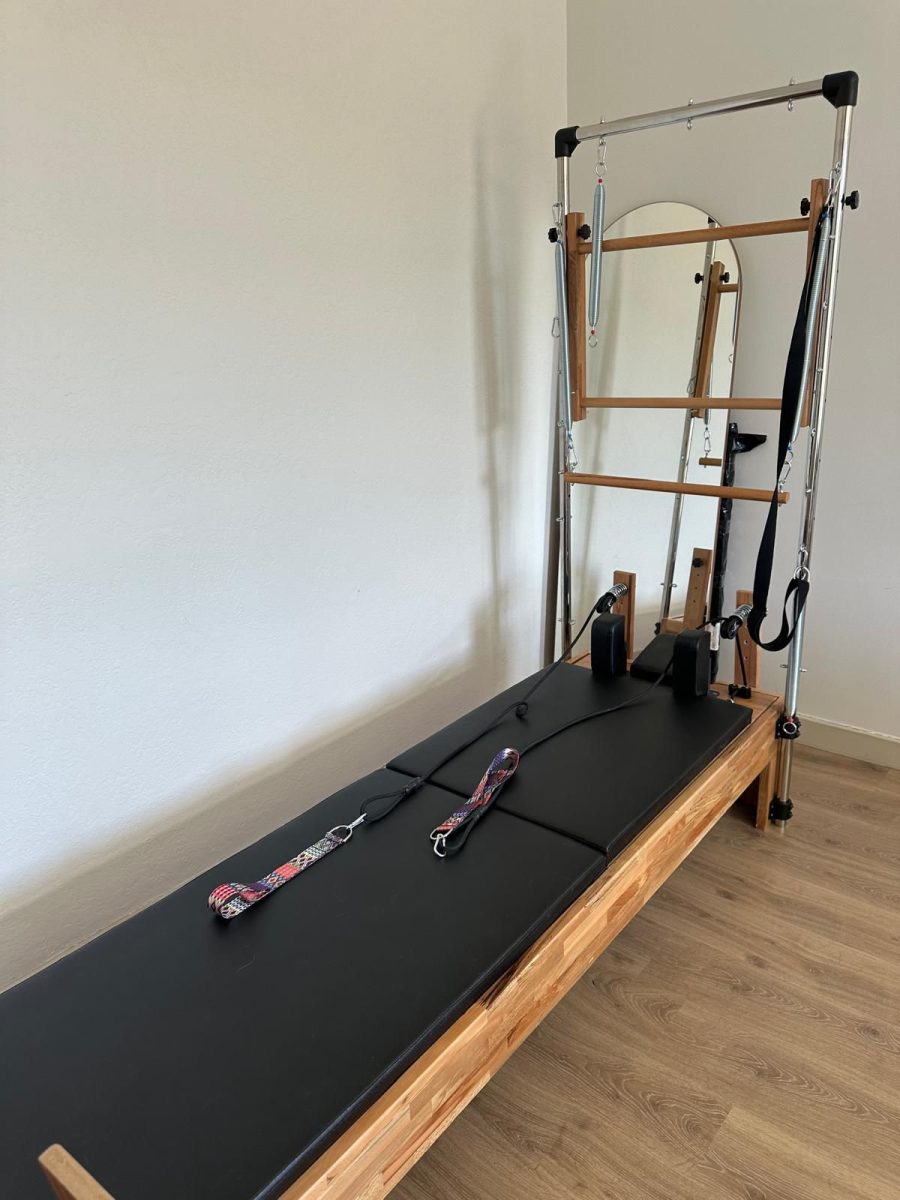
Clinical studies have reported that a reformer pilates programme performed 2-3 times a week for 12 weeks can increase lumbar bone mineral density by 1.2-1.8% in postmenopausal women and reduce the incidence of vertebral fractures by 30%. These findings underscore the value of reformer pilates as a non-pharmacological intervention that supports drug therapy, particularly for patients on bisphosphonate treatment.
Sarcopenia (Muscle Wasting) and Loss of Functional Mobility
Sarcopenia is not just a loss of muscle mass but also a decline in muscle strength and function. In people over 50, every 10% loss of lower-limb muscle strength corresponds to a 15% reduction in independent mobility. The variable resistance system of reformer pilates lets users choose springs according to their own strength level: the yellow spring offers the lowest resistance (roughly equivalent to 1.5 kg), while the black spring offers the highest (roughly equivalent to 6 kg).
In this system, gradually increasing resistance as strength improves is ideal from the standpoint of progressive loading. Traditional fitness equipment, with jumps of 2.5 kg or 5 kg, can involve transitions that are too abrupt for older adults; but on a reformer pilates machine, spring combinations (for example yellow + blue, or blue + green) allow resistance to be fine-tuned far more precisely.
Joint Health and Balance: Critical Parameters for Users Over 50
The vestibular system (inner-ear balance), proprioceptive pathways (joint and muscle sensory receptors) and the visual system all gradually lose function with age. This particularly raises the incidence of falls after age 65. Because reformer pilates is performed on a moving platform, it engages the balance systems far more actively than static floor-based exercises.
Specialised tower accessory work — for example, the standing leg springs frequently performed on the Cadillac Reformer — simulates functional movement patterns such as single-leg stabilisation, hip abduction and knee extension. These exercises strengthen the motor memory needed for everyday situations such as going down stairs, stepping off a kerb, or maintaining balance on a slippery surface.
Reformer Pilates for Knee and Hip Osteoarthritis
Osteoarthritis is a condition involving degeneration of joint cartilage, leading to pain, restricted movement and loss of function. Because reformer pilates offers closed kinetic chain exercises (where the foot stays fixed while the body moves), it can build muscle strength without overloading the knee and hip joints. Footwork series in particular allow squat- or lunge-like functional movements to be performed without creating impingement at the joint angles.
In addition, the spring system means loading on the joint is gradual rather than sudden, which helps distribute synovial fluid more effectively and supports cartilage nourishment without triggering an inflammatory response. Low-intensity, high-repetition reformer exercises strengthen the muscles surrounding the joint (quadriceps, hamstrings, gluteus medius), improving joint stabilisation — resulting in reduced pain levels and increased functional capacity.
Spinal Health: Herniation, Stenosis and Postural Disorders
After age 50, disc height decreases, facet joints undergo degenerative changes, and spinal stenosis (narrowing of the spinal canal) becomes increasingly common. In these patients, compressive exercises (jumping, running, heavy back exercises) can worsen symptoms. Reformer pilates, on the other hand, works on the principle of decompression; in particular, the spinal articulation exercises performed on a pilates reformer machine teach each vertebra to move individually, reducing disc pressure.
Movements such as pelvic tilt, bridge and spinal extension, for example, target the deep postural muscles (multifidus, transversus abdominis) that maintain the spine's natural curves (lordosis and kyphosis). These muscles atrophy with age but can be reactivated and strengthened through regular reformer exercise. Roll-down bar exercises performed on the Cadillac Reformer in particular improve thoracic mobility, helping correct a kyphotic (rounded) posture.
Cardiovascular Safety and Fatigue Management
In people over 50, the cardiovascular system is also affected by ageing, with a rising prevalence of chronic conditions such as atherosclerosis, hypertension and heart failure. High-intensity, short-duration exercise (such as HIIT) can increase the risk of acute cardiac events in this population. Reformer pilates is a moderate-intensity, controlled-tempo exercise model synchronised with breath control, which minimises fluctuations in heart rate and blood pressure.
Research has shown that reformer pilates generally keeps heart rate in the range of 50-60% of maximum heart rate — a level that supports cardiac conditioning without increasing the risk of arrhythmia or ischaemia. For this reason, pilates-based exercise is increasingly being incorporated into cardiac rehabilitation protocols.
Breath Control and Autonomic Nervous System Regulation
The core principle of reformer pilates, lateral thoracic breathing, strengthens the diaphragm and intercostal muscles, optimises oxygen uptake, and also activates the parasympathetic nervous system. Chronic stress, which tends to increase with age, can lead to sympathetic nervous system hyperactivation and increased inflammation. Deep, rhythmic breathing exercises increase vagal tone and improve heart rate variability, offering meaningful benefits for overall health and fatigue management.
Neurological and Cognitive Benefits: The Link Between Movement and Brain Health
Exercise is critical not only for muscles and bones but also for the brain. Reformer pilates involves complex, multiplanar movements that require coordination, actively engaging the cerebellum and motor cortex. Neuroimaging studies on regular pilates practitioners have found increases in hippocampal volume (associated with memory and learning) and stronger frontal lobe connectivity.
In addition, the multi-variable tasks involved in the movement — maintaining balance, controlling spring resistance, regulating breathing tempo — support cognitive skills known as executive functions. This is considered a protective factor against age-related cognitive decline and dementia risk.
Equipment Features and Safety: Why Norden Reformer Models Suit Users Over 50
Safety in reformer pilates equipment depends not only on the movement itself but also on the quality of the equipment. The most critical factors for older users are a sturdy structure (no wobbling), non-slip surfaces, adjustable support systems, quiet and smooth mechanics, and antibacterial, sweat-resistant upholstery.
Norden Reformer models are built from premium solid beech wood and finished with 4 coats of special matte lacquer, which protects against sweat and moisture while preserving the wood's natural flexibility. The heavy frame construction (250 kg equivalent weight) prevents the equipment from sliding or wobbling during exercise — an important safety factor for older users.
8-Wheel System and 16 Bearings: Quiet, Smooth Motion
One of the most important technical details determining the quality of a reformer is how quietly and smoothly the moving platform (carriage) glides along the rail. The 8-wheel system and 16 bearings used in Norden Reformer models make the carriage's axial movement extremely stable and quiet. This matters especially for older users, since noise can cause loss of concentration and trigger sudden reflexive muscle contractions (startle reflex).
Smooth mechanics also ensure that joint angles change in a controlled way. Sudden jerks or sticking points can increase the risk of pain or injury in the knee or hip joint. For this reason, bearing quality and wheel count should not be overlooked when choosing equipment for users over 50.
4-Position Footbar and 3-Position Gearbar
The footbar is the fixed component against which the feet push during exercise. A 4-position footbar adjustment allows the optimal position to be found for different body heights and joint-range requirements. For example, a user with limited knee mobility can set the footbar to a closer position to exercise without bringing the knee into full extension.
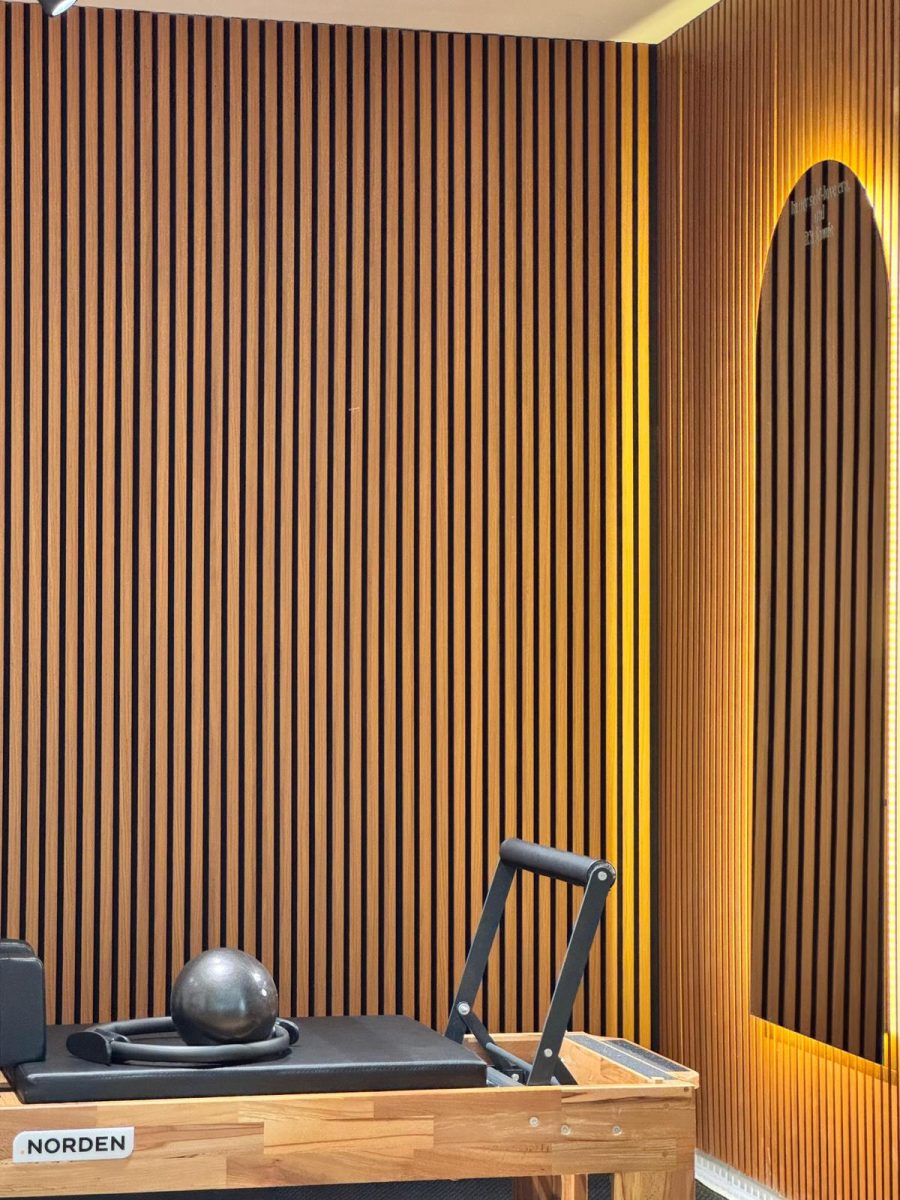
The gearbar system determines whether spring resistance runs below or above the platform. A 3-position gearbar changes the angle of the spring, creating different resistance profiles even with the same spring colour. This allows advanced users and physiotherapists to make very fine progressions during rehabilitation.
304 Chrome Steel Tower: Safety and Durability
The tower system used on the Tower and Cadillac models is built from 304-grade chrome steel. This material offers high corrosion resistance, does not flex, and has a very long lifespan. For older users in particular, the tower serves as a grip point during standing exercises, a secure anchor for attaching trapeze bars, and a balance reference point during transitions between horizontal and vertical exercises.
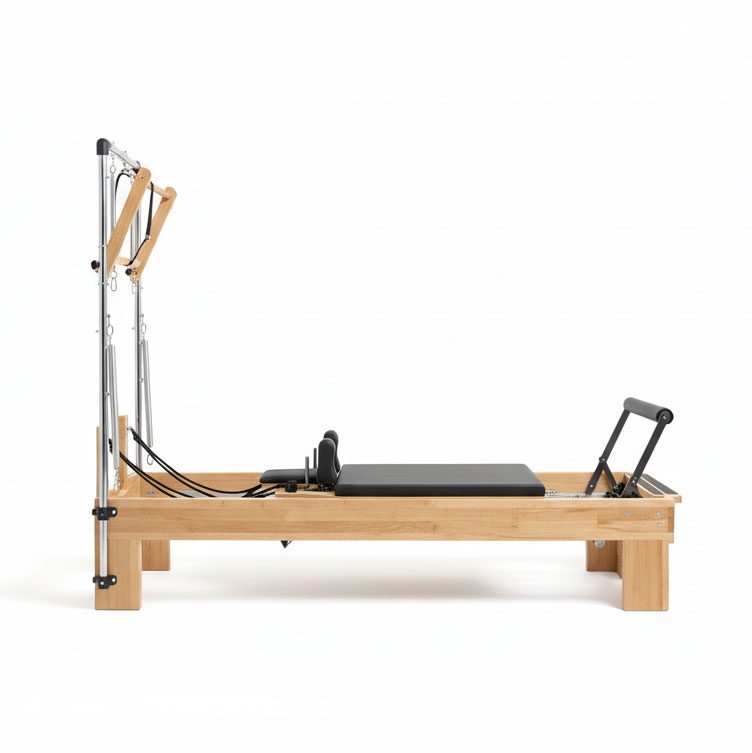
On the Basic model, which has no tower, standing exercise options are limited; but on the Tower and Cadillac models, the single- or four-sided tower allows advanced movements such as standing leg springs, arm springs and trapeze bar pull-ups to be performed safely. If a user wants to maximise their functional capacity, or if an instructor or physiotherapist will be working with a range of client profiles, a tower system is essential.
What's Included and Accessories: Why the Box and Jump Board Come Standard
All Norden Reformer models come with a Box and Jump Board included as standard. The box is a wooden accessory placed on the platform, used in either lateral (side) or long-box positions. In exercises such as swan and pulling straps, which strengthen the spinal extensors, the user's body is supported at a height, making correct alignment of the head-neck-shoulder line much easier.
For users over 50, box work increases trunk extension strength during prone-position movements without placing excessive pressure on the abdomen. Exercises performed sitting or lying on the box also reduce joint load and increase comfort for those with knee or hip pain.
The jump board is a spring-loaded accessory that replaces the footbar on the platform, creating a light rebound effect during the pushing movements performed with the feet. This is a low-intensity, controlled version of plyometric (jumping) training, providing mechanical stimulation that helps increase bone density. However, it should be used with caution by patients with osteoporosis and always under expert supervision.
Logistics, Assembly and Warranty: What Shapes the User Experience
Users over 50 generally appreciate support with technical assembly. Norden Reformer offers a full-service experience from production to delivery to optimise this. Production takes 9 business days from order confirmation. Delivery, taxes and duties are included in the price, and machines ship fully assembled — the carriage and main frame arrive ready, with only the tower section (on Tower or Cadillac models) needing to be attached and tightened.
This process is very simple, and video support is provided, so even users with no technical background can get the equipment ready for use in a short time.
2-Year Parts Warranty and Durability Under Heavy Use
Norden Reformer offers a 2-year parts warranty on all models. This warranty covers wear items such as bearings, springs, felt pads and footbar fixtures. For studio owners in particular, maintaining equipment performance through 5-10 intensive daily sessions is critical. Even home users over 50 expect to be able to exercise safely and without interruption for many years, so warranty terms and parts support should not be overlooked when choosing equipment.
Investment Considerations: Which Model Offers the Best Value for Users Over 50?
The Basic Reformer is a cost-effective option for users who want to do basic exercise at home — see the current price on the product page. However, without a tower system, standing exercises and advanced accessory work are limited. If a user is satisfied with lying-down basics like footwork, leg circles and bridging, and is working to a tighter budget, the Basic model may be sufficient.
The Tower Reformer, with its single-sided tower support, strikes an ideal balance for intermediate users — see the current price on the product page. It offers particularly strong value for users with balance issues who need something to hold on to during standing exercises, or who want to do upper-body work with the trapeze bar. Considering the added functionality, the price difference compared with the Basic model is well worth it.
The Cadillac Reformer is the top-tier model — see the current price on the product page. Its full cage system, four-post tower structure, and wide range of accessory options make it the ideal choice for anyone running rehabilitation programmes under the supervision of a physiotherapist or specialist instructor. For users with neurological conditions (such as Parkinson's or peripheral neuropathy) or significant orthopaedic limitations (total hip replacement, spinal fusion) who need a varied rehabilitation approach, the flexibility this model offers is indispensable.
For current offers and payment options, see the product page for details.
Scientific Evidence: Clinical Studies on the Effectiveness of Reformer Pilates Over 50
Randomised controlled trials examining the effectiveness of reformer pilates in older populations show meaningful improvements in muscle strength, balance, fall risk, pain management and quality of life. For example, a study published in the Journal of Bodywork and Movement Therapies found that a 12-week reformer pilates programme in women aged 60-75 increased quadriceps strength by 18% and single-leg balance time by 35%.
Another study found that an 8-week reformer pilates programme in patients with osteoarthritis reduced WOMAC (Western Ontario and McMaster Universities Osteoarthritis Index) pain scores by 42% and improved functional mobility by 28%. This evidence suggests that using a reformer machine can serve as a non-invasive complement to pharmacological treatment.
Neuroimaging studies examining the effects of reformer pilates on cognitive function have also shown increases in hippocampal volume, stronger prefrontal cortex activation, and improved cerebral blood flow. These findings support the idea that regular reformer exercise benefits not only physical health but neurocognitive health as well.
A Physiotherapist and Instructor's Perspective: Programme Design for Clients Over 50
The over-50 client segment is a growing one for studio owners and physiotherapists. Serving this population is valuable both socially and commercially, since this group tends to book sessions regularly and shows strong long-term loyalty. That said, there are several critical considerations in programme design.
First, an initial assessment is essential. Range of motion (ROM), strength testing (manual muscle testing or dynamometry), balance tests (Berg Balance Scale, Timed Up and Go Test) and pain assessment (VAS score) are all needed to personalise the programme. These assessments determine which movements are contraindicated (for example, spinal flexion in osteoporosis patients) and which angles require modification.
Second, progression should be slow and gradual. While younger individuals might handle a 5-10% weekly load increase, for people over 50 this should be kept to 2-5%. When moving between spring colours — for example, from yellow to blue — an intermediate combination such as yellow + blue should be used to support adaptation.
Third, session length and frequency should be optimised. Fatigue thresholds are lower in people over 50, so 45-60 minute sessions are preferable to 75-90 minute ones. Two to three sessions a week is ideal for muscle recovery and adaptation. If a client wants to exercise more frequently, a split programme targeting different muscle groups should be designed (for example, lower body one day, upper body the next).
Group Classes and Social Interaction
Social isolation, depression and loss of motivation are common issues among people over 50. Group reformer classes offer significant value both socially and in terms of motivation. However, group classes should be capped at 4-5 participants, with attention paid to level homogeneity. Individual modifications should also be ready for each participant — for example, one person might use the footbar on position 3 while another uses position 2.
Consistency in equipment used during group classes also matters. If a studio uses machines of varying brands or quality, differences in participant experience can arise. For this reason, standardisation in choosing a reformer machine is critical both for teaching quality and safety.
Home Use and Motivation Strategies
For people over 50, using a reformer at home may be preferable due to limited mobility or time constraints related to getting to a studio. However, there are a few things to keep in mind for home use. First, it's essential to start with at least 5-10 private sessions with a physiotherapist or certified instructor. These sessions cover basic form, breath control, spring settings and safety principles.
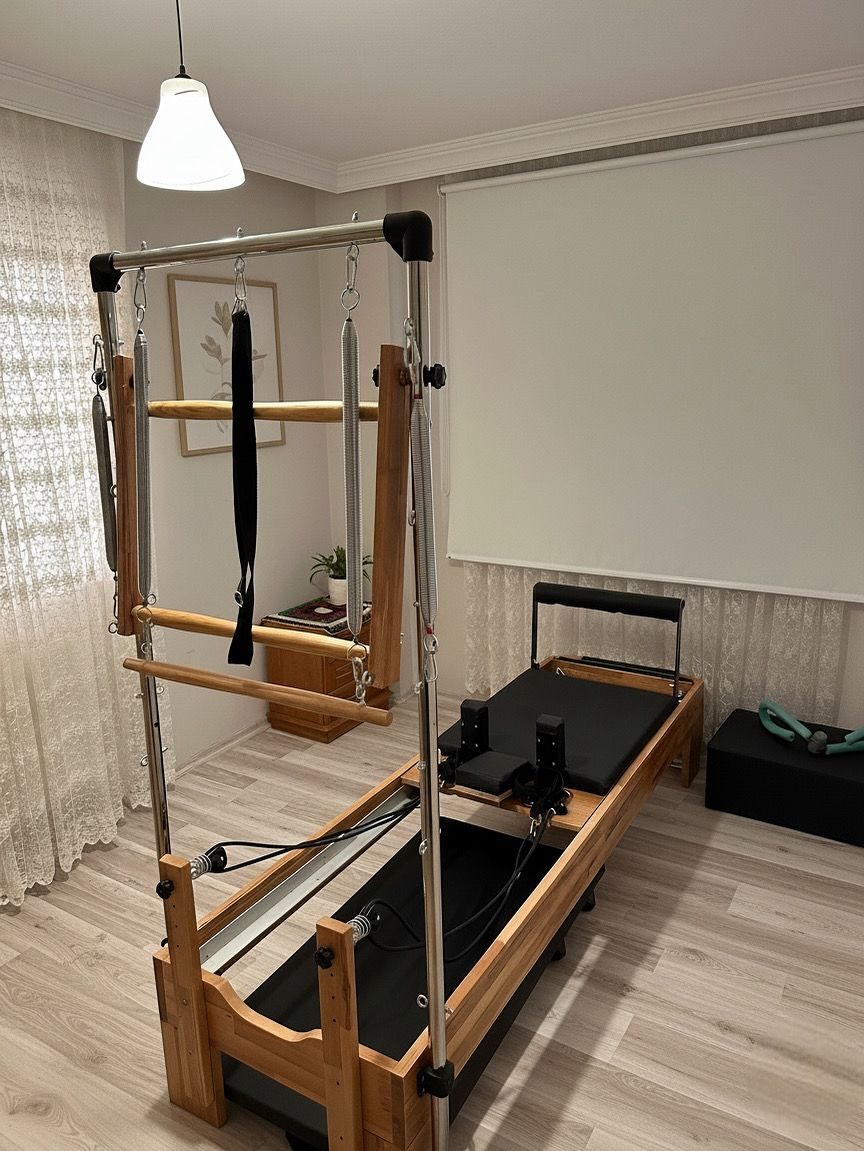
Second, using a mirror while exercising at home is helpful for form checking. Details such as spinal alignment, pelvic position and knee angles can't be properly monitored without visual feedback. Alternatively, video-based exercise programmes (online pilates platforms) can guide home users through verbal instructions and visual references from an instructor.
Third, setting regular goals and tracking progress helps sustain motivation. Measurable goals should be set, for example increasing single-leg balance time from 10 to 15 seconds by the end of the first month, or being able to do 10 reps of footwork with the blue spring by the end of the second month. Tracking these goals in a daily or weekly exercise journal can boost motivation and discipline.
Frequently Asked Questions
Is Reformer Pilates Safe for People Over 50?
Yes, reformer pilates is quite safe for people over 50 when practised with the right equipment and proper technique. However, you should consult a healthcare professional before starting and disclose any chronic conditions (hypertension, osteoporosis, heart disease). Working under the supervision of a certified instructor, especially in the first sessions, helps prevent incorrect movement patterns and minimises injury risk.
Can Someone with Osteoporosis Do Reformer Pilates?
Yes, reformer pilates can be practised by people with osteoporosis, though certain movements are contraindicated. In particular, deep spinal flexion (bending forward) and rotation carry a risk of vertebral fracture. Instead, extension (arching back) and lateral flexion (side bending) movements should be prioritised, with an emphasis on trunk stabilisation work. Supported exercises on the Tower or Cadillac models reduce load on the spine, providing a safer environment.
How Many Sessions a Week Should You Do Reformer Pilates?
For people over 50, 2-3 reformer pilates sessions a week is optimal for building strength and functional capacity. Those who want to exercise more often can increase frequency with programmes targeting different muscle groups, but loading the same muscle groups on consecutive days can hinder recovery. Rest days are essential for muscle protein synthesis and tissue repair.
What Are the Differences Between the Basic, Tower and Cadillac Reformer?
The Basic Reformer has no tower system and is limited to exercises performed on the horizontal platform, making it an entry-level model. The Tower Reformer offers single-sided tower support, opening up standing exercise options and allowing the use of accessories like the trapeze bar and roll-down bar. The Cadillac Reformer offers the widest range of exercise options with its four-post full cage system, making it ideal for advanced rehabilitation and versatile training. Price differences correspond to this difference in equipment level.
Which Model Is Best for Home Use?
Choosing a model for home use depends on the user's experience level and goals. If the user has prior reformer pilates experience and knows the basic movements, the Basic model may be sufficient. However, if they want to do standing exercises, add upper-body work, or need something to hold on to due to balance issues, the Tower model is a better fit. The Cadillac model is generally chosen for professional use or for home rehabilitation under the supervision of a physiotherapist.
Conclusion and Overall Assessment
For people over 50, reformer pilates is a scientifically supported exercise method that offers comprehensive benefits for muscle strength, bone density, balance, joint health, cardiovascular fitness and cognitive function. However, achieving these benefits depends on choosing the right equipment, designing an appropriate programme, and having expert supervision.
Norden Reformer models meet the safety and comfort needs of users over 50 with technical features such as premium solid beech wood construction, an 8-wheel system, 16 bearings, a 304 chrome steel tower, antibacterial upholstery, and a 2-year parts warranty. The choice between the Basic, Tower and Cadillac models should be based on the user's functional goals, budget and intended use.
If you're thinking about setting up a studio, or planning a professional-level home rehabilitation set-up, you can find detailed information in our guide on the equipment list and start-up costs for opening a pilates studio to help build the right investment strategy.
In the end, reformer pilates for people over 50 isn't just a form of exercise — it's a lifestyle choice that improves quality of life, preserves independence, and supports healthy ageing. With the right equipment, proper guidance and consistent practice, increased functional capacity, reduced pain and improved overall wellbeing are achievable at any age.


