


Choosing a reformer that lets you perform a wide range of exercises calls for care and attention. The price of this kind of equipment is quite different from an ordinary piece of fitness gear, so it pays to know what to look for before you buy, so you don't end up with regrets and feel you got your money's worth. It's worth examining a machine from every angle before you decide. Otherwise, you might base your decision on a single feature or category and end up regretting it later. Here's what to look out for when buying a reformer:
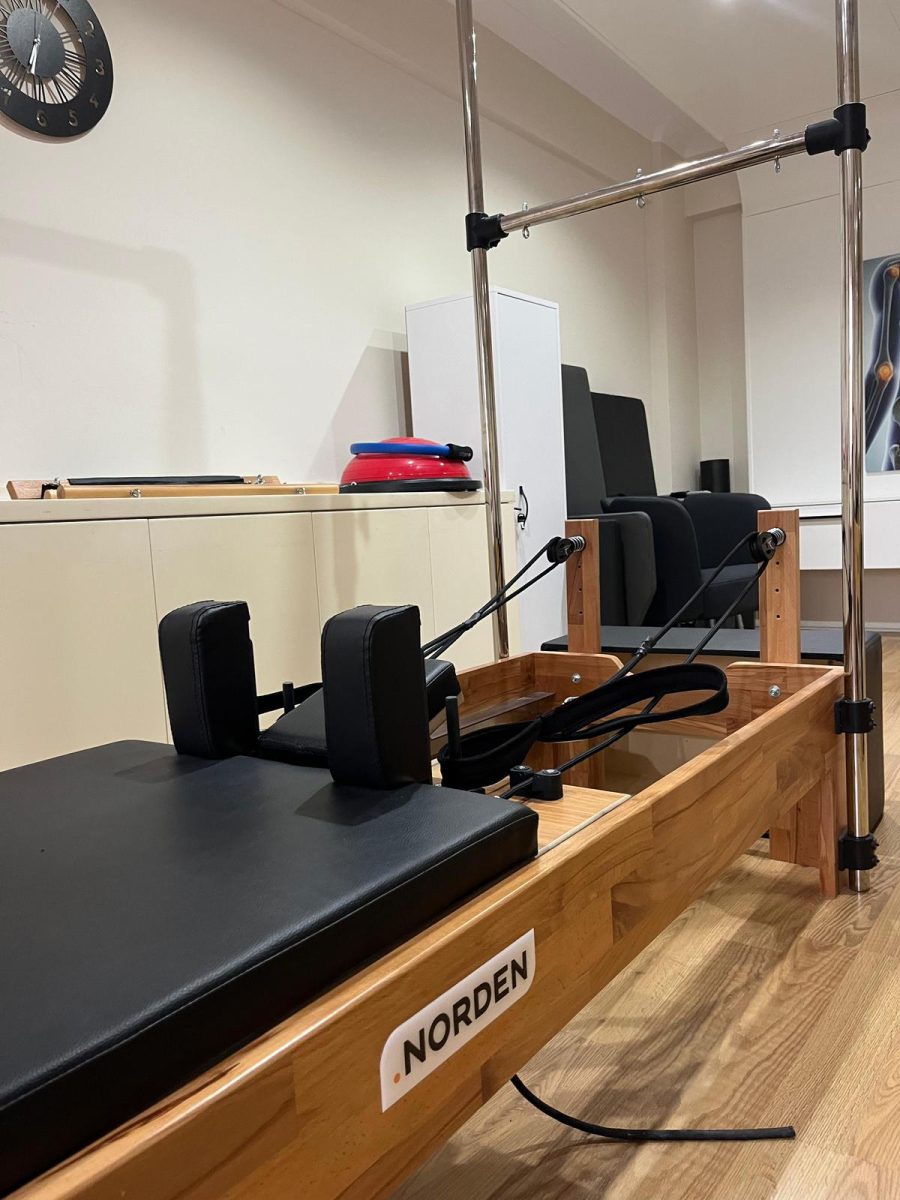
- Look closely at the product specifications. The reformer should be rich in the features and accessories you're after, so you can perform a wider variety of exercises on a single machine.
- Sturdiness, durability and quality should top your list of priorities. Without them, you risk injury in any number of positions. A machine that can't handle your bodyweight, or whose shoulder rests break easily, will only cause trouble — and it can make you wary of exercising altogether. Working out of fear or hesitation gets you nowhere and quickly kills your motivation. Choose a reformer made from quality, durable materials down to the smallest detail. Check the sturdiness of the handles, the jump board attachment, the shoulder rests, the gearbar system, the wooden parts, the mat, the springs and every other component. A well-built reformer will keep serving you even as your height or weight changes over time.
- Favour models reinforced with metal components. Metal is sturdier and more practical than other materials. While a greater use of metal pushes the price up, it pays off significantly in everyday use.
- The dimensions of the reformer need to be right for its users. This matters especially in gyms, physiotherapy centres and other shared settings, where you need a machine that suits everyone. Otherwise, taller users may find their legs and body don't fit comfortably on the carriage, which reduces the effectiveness of the exercises and raises the risk of injury. Where possible, look for a reformer over 2 metres in length. Since taller users also tend to be broader, the width shouldn't be less than 60 cm. A height of over 50 cm is generally considered ideal — though anything above 60 cm can make upside-down positions awkward enough that people give up on them. To avoid this, aim for a height between 50 cm and 60 cm. These dimensions are typically set with the regional population in mind, so length, height and width ranges can vary slightly from country to country, even though the working principle stays the same.
- Springs are at the heart of every piece of Pilates equipment. They provide the stretch and also act as a form of resistance. If the resistance is too stiff, positions become difficult to perform; if it's too soft, your workout loses effectiveness. You'll also come across certain terms when looking at a reformer's springs — quarter, half and full springs — which affect how versatile the machine is. Look for at least 3 full springs and 1 half spring; adding a quarter spring on top of that opens up even more exercise options.
- Reformer models and colours are not something to worry much about. The colour of the machine you buy has no effect on your workout, and this detail matters even less for home use. That said, if you're setting up a gym, a Pilates studio, or teaching classes at home, you may want to pay attention to colour. Beyond that, technical specifications, materials, dimensions and the number of accessories matter far more, since they directly affect the variety of exercises you can perform.
- Favour brands that offer parts warranty support.
- Choose upholstery that's leather-like and easy to wipe clean. You can easily wipe it down and disinfect it after a sweaty session, which also stops odours from soaking into the surface. This feature matters a great deal in gyms and Pilates studios.
- Look for a graduated spring-resistance system. A stepped mechanism is essential if you want to exercise across a range of resistance levels and difficulty.
- Make sure the carriage runs on at least 8 wheels. It's also a nice bonus if these wheels run quietly during your workout.
Now that you know what to look for when buying a reformer, take a look at Norden Reformer's range. We offer numerous models that meet all the criteria above, backed by a parts warranty — a safety net most other brands simply don't offer, meaning any issues with a reformer bought elsewhere could end up costing you out of pocket.
What Is a Reformer?
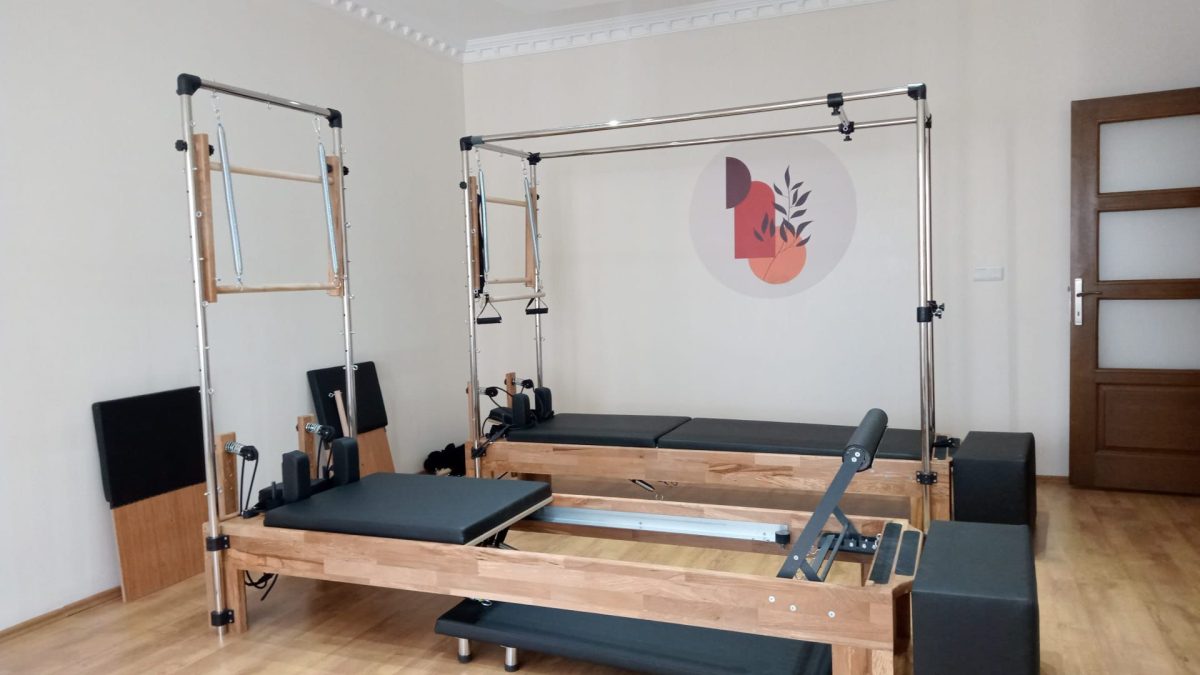
The reformer is one of the core pieces of equipment designed for Pilates, and its operating principle is simple, even though the way you use it changes with each exercise. Tower Reformer and Cadillac Reformer are among its best-known variants — in fact, these two models come up constantly in any search for the best reformer. The footbar, shoulder rests and pulley system are all connected to a spring, which lets you control your effort with precision. Long straps attached to the frame are moved using handles, and you can work at this pace for as long as your fitness allows. As the springs and shoulder rests inside the frame are pushed and pulled, various levels of resistance come into play — a mechanism that makes it easier to build muscle strength. There are setups that let you work through dozens of positions using your feet and hands alike. If you've decided to take up Pilates, don't wait any longer — get yourself a reformer. Since you set the resistance level yourself during each session, you can get into shape without overexerting yourself. Adjustable spring resistance lets you progress to heavier work over time, and your body becomes noticeably more flexible and easier to move. You can perform upside-down, upright, sideways and standing positions at whatever difficulty level suits you.
What Is a Reformer Used For?
A reformer makes hundreds of Pilates exercise positions possible, and its first benefit is building muscle strength. If you're wondering what a reformer is actually used for, start by understanding how it works. It's a piece of equipment driven by your own muscle power, engaging virtually every part of the body. Even on days when exercise feels like a struggle, its various attachments help you keep building strength. Generally speaking, regular reformer sessions show results in a fairly short time. Even movements supported by the arms and legs are effective for shaping specific areas of the body. Understanding what a reformer is used for can help you multiply the results you get from your sessions.
What is a reformer used for?
- It's effective for shaping most major and minor muscle groups.
- It boosts muscular endurance and strength, building resilience against injury.
- It helps people prone to exercise-related injuries stay active instead of giving up on sport altogether.
- It can support rehabilitation programmes.
- It's used as supportive care following surgery or various types of physical trauma.
- It builds mind-body coordination.
- It significantly reduces the muscle soreness you'd normally feel after a workout.
- It makes targeted, region-specific training much easier.
How Many Calories Does a Reformer Workout Burn?
Shaping the body and shedding weight while exercising is everyone's goal, and this matters just as much to people doing Pilates on a reformer. Some people even try to calculate calories burned before deciding to buy a reformer. But this is a highly individual matter, since fat burning depends not just on the type and intensity of exercise but also on each person's body type, metabolism and fat-burning rate. So there's no single, precise answer to how many calories a reformer workout burns. Leaner individuals tend to burn less, while those carrying more weight may burn more, and people with hormonal issues face yet another variable in fat burning. While there's no exact figure, there is a rough average. A 70 kg person working actively on a reformer without breaks can burn around 250 calories in an hour. The shorter the session, the less fat is burned. Anyone wondering whether reformer Pilates helps with weight loss can use these figures as a rough guide for their own routine.
Does a Reformer Help Flatten the Stomach?
A reformer has mechanisms designed to work a wide range of muscle groups, and the varying spring resistances directly affect fat burning. The more you put these resistances to use, the better you'll maintain your shape. Whether a reformer helps flatten your stomach or firm up your glutes really comes down to how you use it. Focus your sessions heavily on the core, abdomen and back, and you'll see results there. Shift the emphasis to the shoulders and back instead, and those areas will firm up and take shape. In truth, the reformer is just a tool — how well you use it determines whether it flattens your stomach or not. You can't expect your midsection to shrink while training your inner thighs exclusively, but with consistent, well-rounded sessions you'll speed up fat loss across the board. With the right technique and programme, you can even build visible abdominal muscle.
Does a Reformer Help Shape the Body?
Shaping the body, losing weight and speeding up fat loss are three distinct things, and it helps to understand the difference first. If you're wondering whether a reformer helps shape the body, Pilates is a great place to start — it's one of the most commonly recommended forms of exercise for toning and firming up. The resistance springs are the key factor behind that firming effect, and building them consistently into your routine will get you results in a short time. If getting to a studio or gym for Pilates feels impractical, buying your own reformer lets you shape your body on your own schedule. A home reformer means you can train whenever suits you best.
What Are the Pros and Cons of a Foldable Reformer?
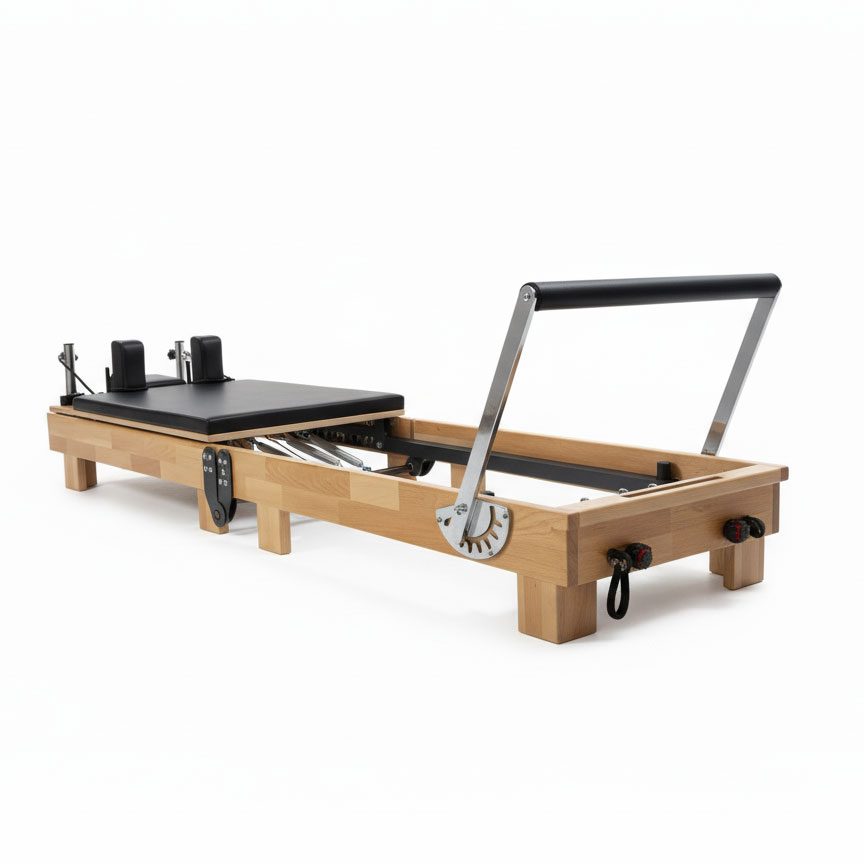
A reformer and other Pilates equipment take up a fair amount of space, which can be an issue in smaller homes or studios. That's exactly why Foldable Reformers are so popular — once you're done with your session, you can fold it away and tuck it out of sight. If space has been holding you back from getting a home reformer, a foldable model solves that problem without you having to give up the benefits of Pilates. Weighing up the pros and cons of a Foldable Reformer can help you decide faster.
| Pros of a Foldable Reformer | Cons of a Foldable Reformer |
| Ideal for small spaces or where room is limited. If a Pilates studio also hosts other activities, a foldable model lets you run different classes in the same space. | Somewhat less robust than non-folding models. Because lighter materials are used, there's a slightly higher chance of issues cropping up during training. |
| Easy to set up and fold away. You can move it wherever you need it, which makes it convenient for a holiday home, a flat or an office. | Some foldable models come with fewer accessories and attachments. |
| Foldable reformers tend to be more affordable, since they're not built from heavy steel components. | Fewer colour and model options are available. |
Some of these points may matter a lot to you, while others might seem beside the point. Weigh up whichever features matter most to your own comfort when deciding. Use this information to help compare Foldable Reformer options and decide which suits you best.
How Much Does a Reformer Cost?
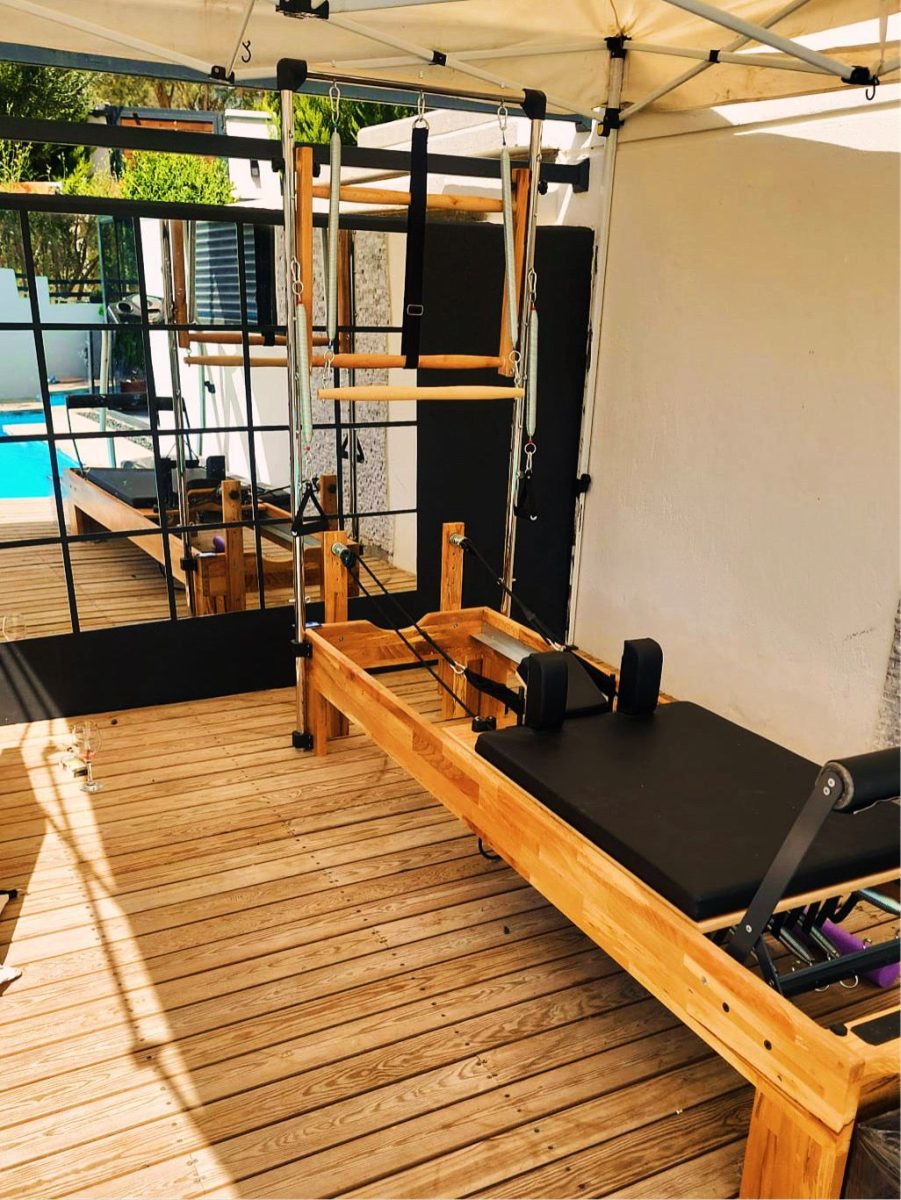
After working out on a Pilates mat for a while, you might start thinking about getting a reformer. Or perhaps you simply want the freedom to train at home whenever it suits you. Either way, a home reformer is the answer. That said, looking into reformer prices can dampen your enthusiasm a little — spending a significant amount just to exercise may feel unreasonable at first. That's actually the wrong way to look at it. How much a reformer costs is just one figure; it says nothing about how long you'll be using the machine. Considering you can use a well-built reformer trouble-free for years, the cost isn't as high as it first seems. A 5-year gym or Pilates studio membership would easily cost you more than that. Instead, you get a machine at home that you can use for hours, any time you like, with no time restrictions. If you like, you could even consider renting it out when you're not using it, recovering a good part of your investment fairly quickly. Don't let the price put you off — once you factor in the benefits and savings over time, a reformer actually looks like excellent value. See the current price on the Norden Reformer product page, where delivery, taxes and duties are included and machines ship fully assembled — so there's no unexpected cost waiting for you later. Choosing Norden Reformer means getting a high-quality reformer at a fair price. You might also like:


