


The Reformer and all equipment-based Pilates apparatus were originally developed with physical rehabilitation in mind. Historically, this type of equipment helped soldiers recover physically and mentally when they struggled to readjust to civilian life after wartime. Developed through the joint work of physiotherapists, doctors and scientists, reformer equipment is designed to target specific muscle groups and areas of the body. In fact, whatever Pilates apparatus you choose, you'll find the fingerprints of physiotherapists in its design details. How a physiotherapist should choose a reformer is an important question, and it's worth getting expert input before deciding. Some brands cut corners on certain components to reduce costs or increase margins. For equipment intended for rehabilitation use or for physiotherapy clinics, physiotherapist input is essential. Expert guidance ensures you choose equipment that will best support recovery from various conditions and treatment needs. For anyone considering equipment-based Pilates, there are around six well-known types of apparatus. Designed for both fitness and rehabilitation purposes, these make it easier for patients to exercise.
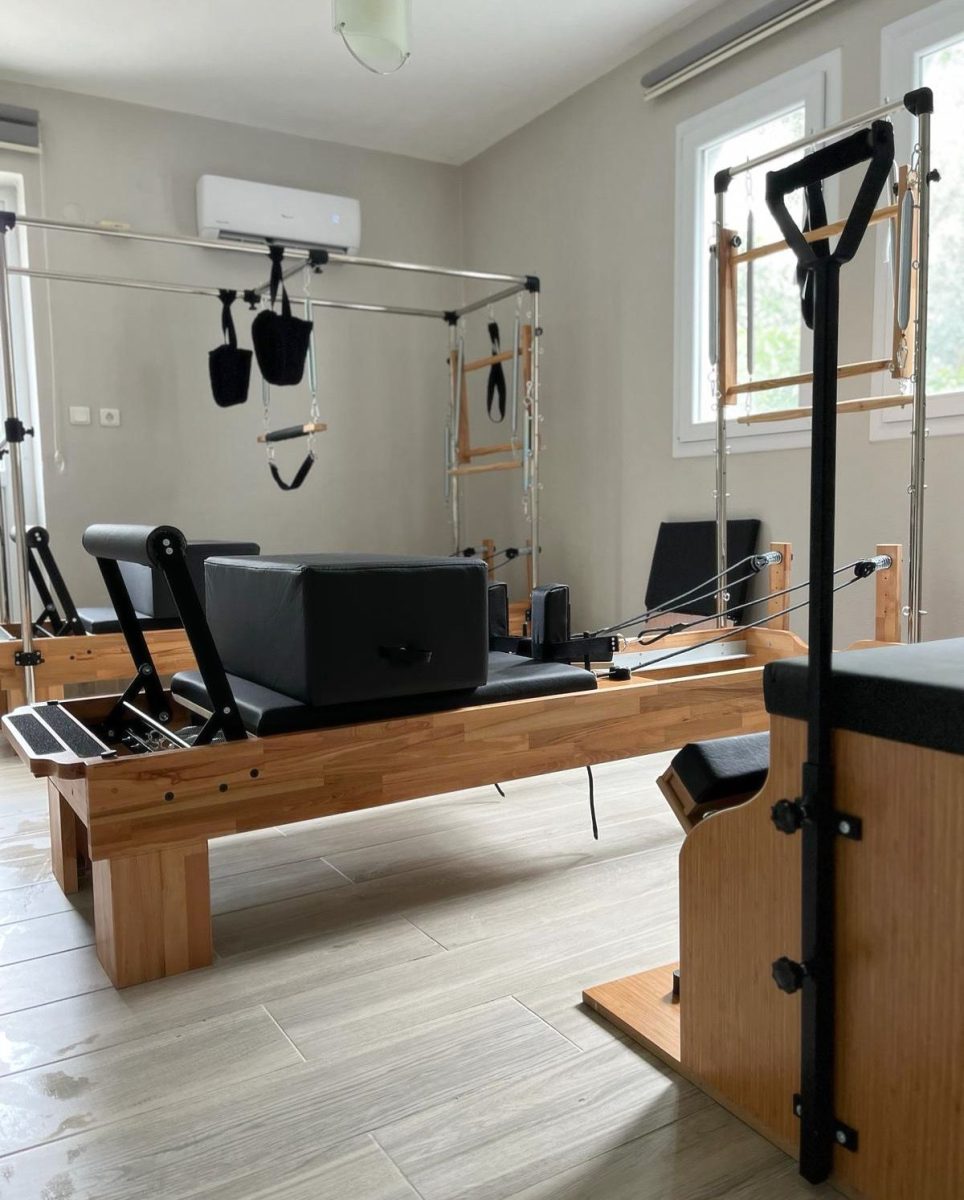
How should physiotherapists choose a reformer?
- The right reformer depends on the patient's health condition. Some patients are bedridden and find it difficult to exercise standing up, which means working with the grab bars on a Cadillac Reformer isn't feasible for them. If the goal is to strengthen the feet and legs, a Basic Reformer or Tower Reformer should be used instead. This allows the patient to gradually strengthen and gain control of their lower body while seated.
- For patients undergoing rehabilitation exercises targeting the arms, neck, back and shoulders, equipment such as the Cadillac Reformer can be a good choice. The Cadillac Reformer is highly effective for working the arms and upper body. Users can pull themselves up using the grab bars for support or swing downward. The key factor here is the patient's health condition and which exercises they need to perform, since some Pilates apparatus is designed for advanced users while other pieces suit beginners.
- The reformer should be one whose durability and sturdiness are beyond question. During rehabilitation sessions, a physiotherapist or assistant is sometimes present, but patients often work alone too. Safety must never be compromised, even when working unsupervised. The system should handle applied resistance without issue, to prevent injury or mishaps. A reformer that isn't sturdy and durable carries risk from every angle.
- The reformer should come with a wide range of attachments and bars. The more attachments and bars available, the more varied the rehabilitation exercises can be, maximising the therapeutic benefit for the patient. It should allow for a wide variety of exercises performed standing, lying down, or seated.
- It should allow rehabilitation work to be carried out seated, on your side, upside down, and lying down, using the appropriate attachments.
- The carriage wheels should be positioned both on the sides and in the centre. The ideal configuration is 4 side wheels and 4 centre wheels. Fewer wheels than this affects functionality — the fewer the wheels, the harder it becomes for the system to bear the weight as the carriage moves back and forth.
- Spring resistance should be adjustable, and bars should be interchangeable in stages. As the patient's muscles get stronger, they should be able to progress to more challenging exercises — a sign that the rehabilitation is achieving its goal.
- The reformer frame should be made from solid wood. This matters both for patient safety and product quality.
- Materials used should be steel or durable plastic, with enough flex to make exercising comfortable rather than strenuous.
- Only buy a reformer from a seller that offers a warranty or parts warranty.
A physiotherapist may add further criteria to this list, but shouldn't remove any. If even one of these criteria is missing, the equipment won't serve its rehabilitation purpose properly. Don't buy Pilates equipment for rehabilitation use until you have a clear answer to how a physiotherapist should choose a reformer.
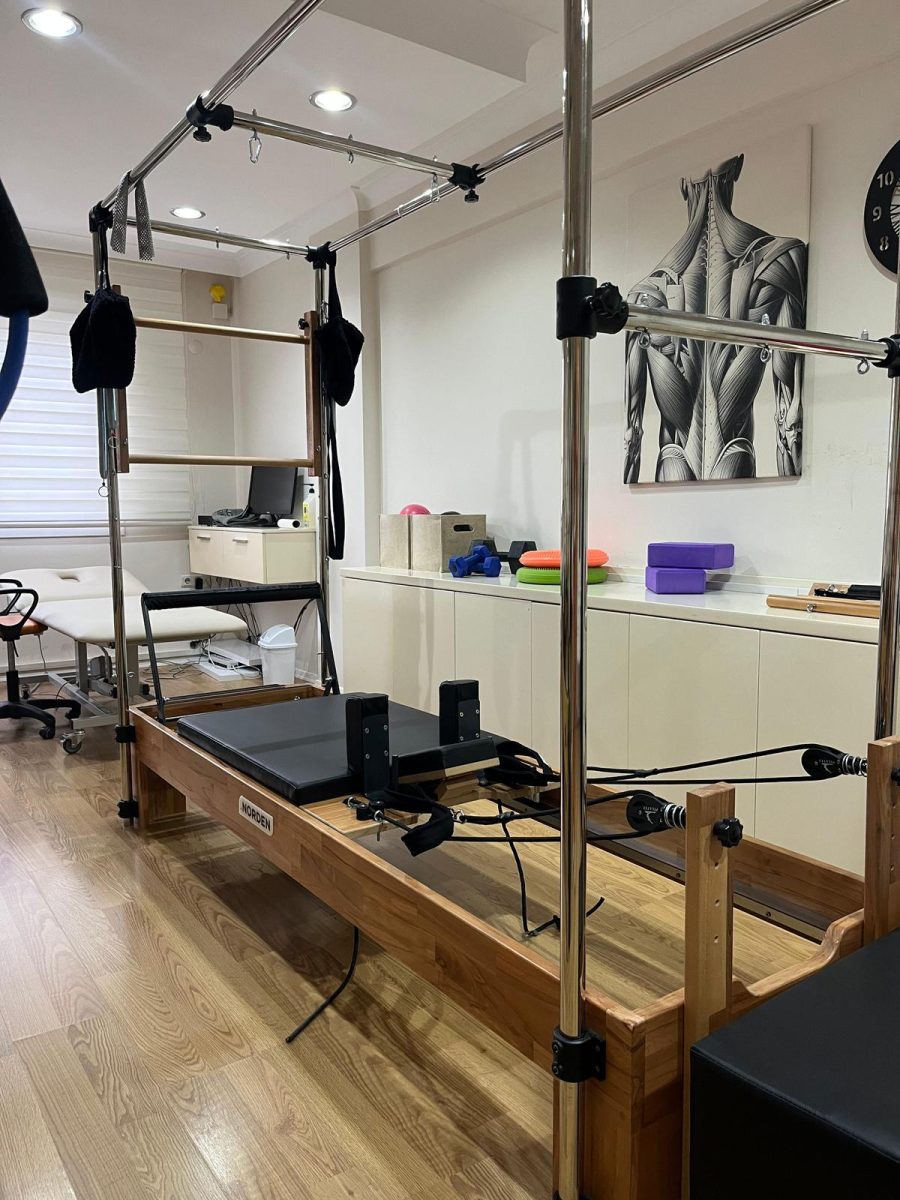
Where to Buy a Reformer from a Private Seller?
A reformer is essential if you want to experience (or offer your clients) the benefits of equipment-based Pilates. Whenever you want to work on a reformer yourself, or have your clients use one, you need one on hand. That's why so many people search for places to buy a reformer from a private seller. Anyone looking for a reformer from a private seller or a second-hand reformer needs to be careful and thorough. The risks of buying second-hand should be carefully weighed before deciding. While buying second-hand carries no risk at all for some products, for others it can end up costing you. Buying a reformer from a private seller tends to fall into the latter category. You should weigh up exactly how and why this can go wrong before making your choice.
| Reformer from a private seller | New reformer |
| Depending on how long and how well it was used, noticeable wear and issues are to be expected. | Since no one has used it before, there's no loss of sturdiness or durability. |
| Reformers from private sellers are cheaper than new ones. | New reformers cost more than second-hand ones. |
| With no colour or model variety, you're stuck choosing from whatever is available. A worn reformer with usage-related wear and tear may not be very motivating. | There's a wide range of colours and models to choose from. You can get exactly the one that will make you happy to work out on. |
| Springs may be missing, and many attachments may have been lost. Resistance, spring and pulley systems may also be loose. This reduces the effectiveness of your workouts and leads to repair costs. Even though you think you got a cheap reformer, the costs that crop up with use may leave you with regrets. | All spring types are complete, with handles included, and resistance and pulley mechanisms are solid. The frame and bars show no issues. It needs no repairs, and you end up with a reformer built to last a lifetime. |
Which Reformer Pilates Equipment Is Best?
Evaluating reformer Pilates equipment needs to be approached from multiple angles. The criteria that matter for a gym, a Pilates instructor or a Pilates studio can all differ, since heavy, continuous use in shared spaces means certain features simply can't be overlooked. Anyone asking which reformer Pilates equipment is best should start by understanding this. The best-selling reformer, or the "best" reformer, really comes down to the brand. Some Pilates equipment manufacturers simply won't compromise on quality, because they know customer satisfaction drives sales, and they won't risk selling products that conflict with their company's vision and mission. If you're researching which reformer Pilates equipment is best, look into these brands' products. Reputable brands like Norden Reformer are highly accomplished at manufacturing reformer Pilates equipment. Beyond that, their pricing is competitive too — see the current price on the product page. By delivering quality at a fair price, they offer customers genuinely good products. Reading Norden Reformer product and user reviews shows just how satisfied customers are. Depending on which type of reformer you want, you can make your choice directly from the brand's sales website, where each reformer's specifications are listed so you can pick the right one for your exercise needs.
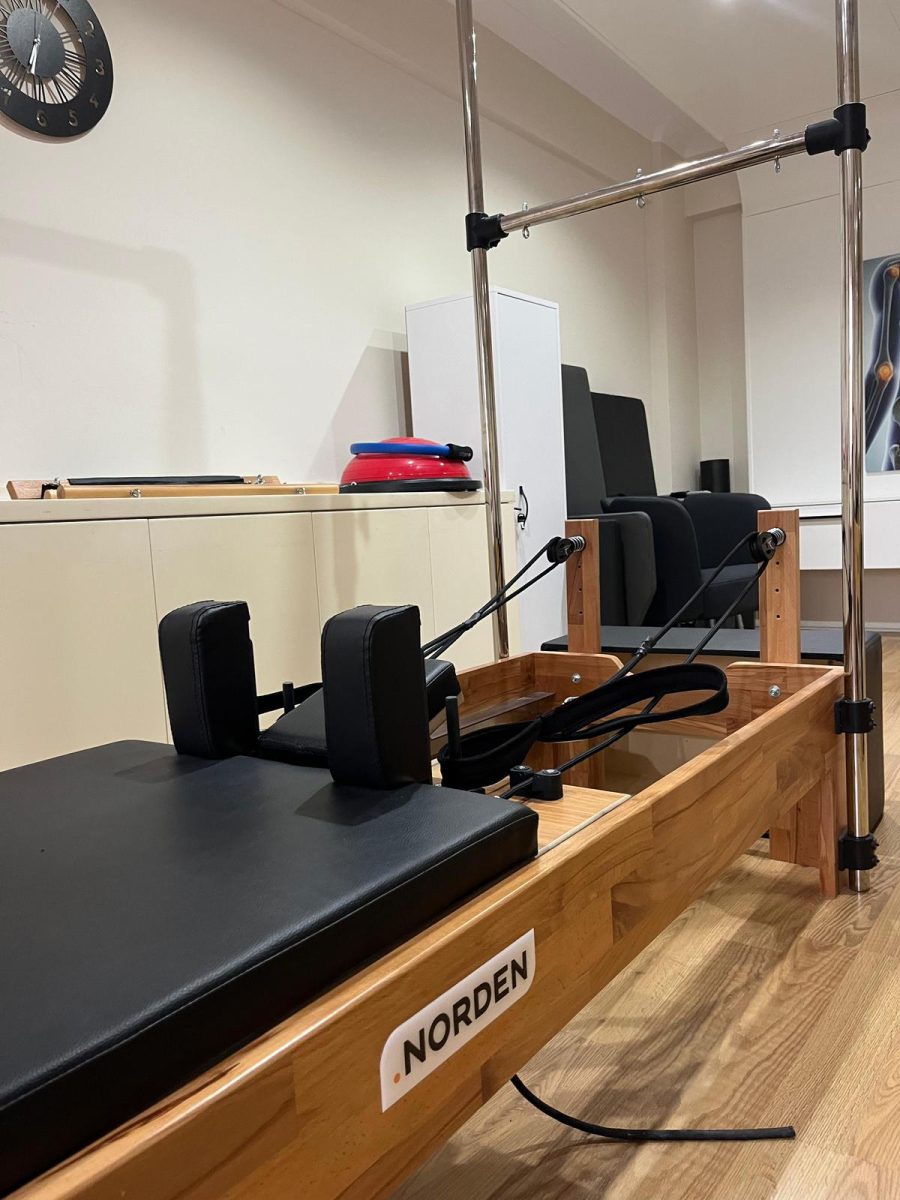
Does a Reformer Shape Your Body?
Certain types of sport and exercise are particularly effective at body shaping. Thanks to positions designed for fat burning and toning, you end up with more defined lines than before. Those wondering whether a reformer shapes the body have looked into this question many times over. Looking at the range of exercises, reformers deliver great results even in areas where fat loss is usually considered difficult. The body-shaping benefits of a reformer are undeniably substantial, which is why functional product lines like home reformers have been designed. Once you've answered the question of whether a reformer shapes the body, your next step should be finding the best value-for-money product. With a quality, functional reformer, you can defy the passage of time while giving your body the lines you want. A reformer doesn't just shape your body — it also fights the effects of ageing. It helps curb weight gain as metabolism slows with age. You can use a reformer at a gym, or set one up comfortably at home or in the office. Reformer body-shaping exercises are more effective than exercises done on a Pilates mat alone. They also deliver impressive results for rehabilitation and chronic back and neck pain. In fact, a reformer doesn't just shape your body — it lets you do virtually every exercise your body needs.
What Should You Check When Buying a Second-Hand Reformer?
As interest in Pilates has grown unstoppably, so has the popularity of the reformer. It has become a favourite among those who've practised Pilates for years and become proficient, as well as those hoping to pursue it professionally. However, once people look into reformer prices, many intending buyers reconsider. This is where second-hand reformers come to the rescue. Buying second-hand or from a private seller carries risk, but many buyers accept it anyway. If you're going to take that risk, there are several things you should pay attention to. Knowing what to check when buying a second-hand reformer can save you from disappointment later.
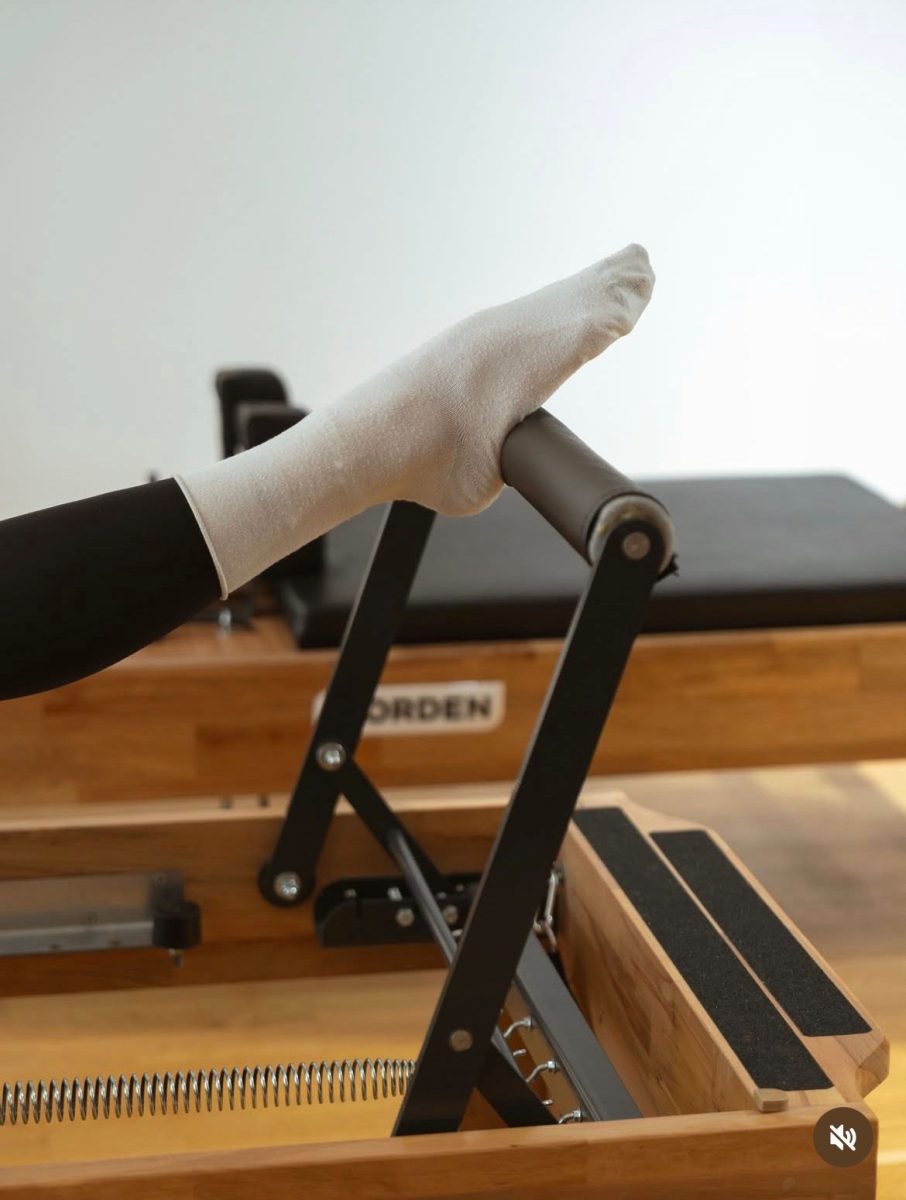
- Make sure the reformer is structurally sound. Don't buy a second-hand reformer that's cracked, broken, or has been repaired — problem areas are likely to cause issues again down the line.
- Check that it hasn't seen heavy use and is in near-new condition.
- Check whether any bars or attachments are missing from the reformer. If attachments are missing, avoid that unit — bars and attachments are what make a reformer more versatile and expand the range of exercises possible. Missing parts mean reduced functionality.
- The mat, wheels, pulleys and springs should all be in good condition, otherwise you'll run into problems constantly during workouts. Worn wheels increase friction, which causes annoying noise while exercising.
Even if you check all of this carefully, a second-hand reformer won't come with a warranty or parts warranty. That makes it hard to predict how much you'll end up spending on the unit afterwards. Second-hand reformer prices also aren't necessarily as attractive as you'd expect. In fact, you may be able to buy a cheaper new reformer from a brand like Norden Reformer, without the stress of worrying about future problems. Rather than hunting for a second-hand reformer, you could buy new from us instead — delivery, taxes and duties are included in the price, and the machine ships fully assembled.
What Are the Features of Reformer Pilates Equipment?
Outside of those who teach reformer Pilates professionally, there isn't a huge amount of general knowledge about it, largely because it's still gaining popularity in some markets. Reformer Pilates equipment, which has been used abroad for around 20 years, has plenty of information available, though much of it is in other languages. As reformers have become more popular in recent years, more information has become available. Questions like "What are the features of reformer Pilates equipment?" and "What is reformer Pilates equipment used for?" have many different answers, simply because there isn't just one type of reformer. Since reformer Pilates equipment supports different types of exercise, its features vary accordingly. This means it would be misleading to give one definitive answer about "reformer features" in general. On the Norden Reformer product pages, the specifications for each reformer are listed individually, so it makes more sense to check the specific product you're interested in there.
Where to Buy a Sturdy, Durable, High-Quality Reformer?
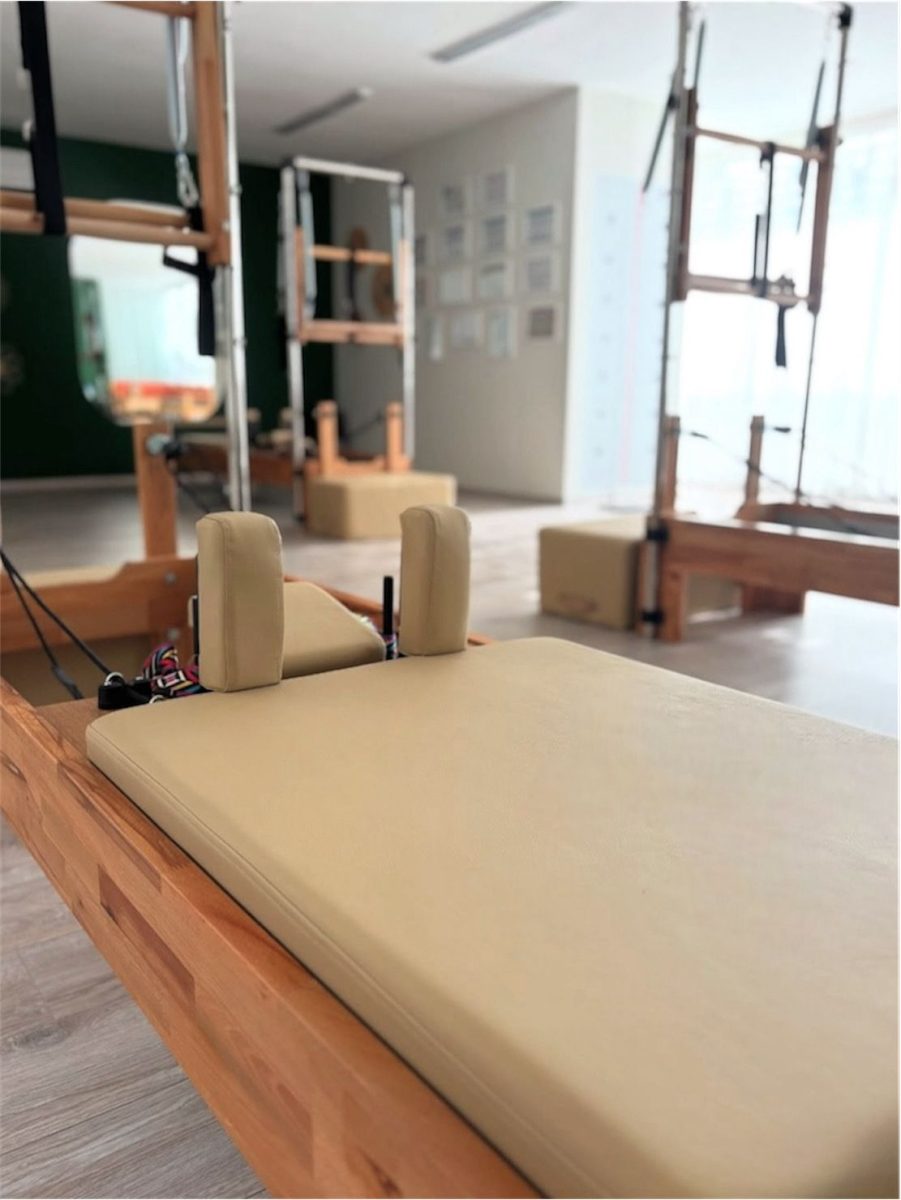
Even after deciding to buy a reformer, you may still have unanswered questions. Where to find a sturdy, durable, top-quality reformer is an important one to settle. A reformer that breaks after a while, or that you can't use to its full potential, offers you little practical benefit — worse, it can cause headaches and even injury. With a sturdy, durable, high-quality reformer, you avoid these problems entirely and can practise equipment-based Pilates trouble-free for years. Norden Reformer designs products built to last a lifetime, applying this standard to the springs, frame, bars, handles, shoulder rests, mat and every other component. You won't encounter the slightest issue with any of these during use. And in the unlikely event you do, a 2-year parts warranty has you covered. If any part or accessory on your reformer develops an issue, support is provided unconditionally. If you ever have a problem with the product, there's always someone to turn to — the relationship doesn't end once the sale is made. Rather than wondering where to find the best reformer, take a closer look at the brand itself. What you learn will tell you more than enough about why you should buy from here. You May Also Like:


