


Decision Guide: Which Reformer Is Right for You?
If you're planning to do reformer Pilates during pregnancy, choosing the right equipment is critical for both safety and comfort. For the first trimester and a light exercise routine, a Basic Reformer may be enough, while a Tower Reformer offers a broader range of motion if you'll be working with a physiotherapist and need more advanced support. If you're setting up a professional studio and plan to run prenatal programmes, a Combo Cadillac Reformer becomes essential thanks to its full cage system and multiple attachment points.
Pregnancy and Reformer Pilates: Biomechanical Foundations and Clinical Evidence
During pregnancy, the body's biomechanical structure undergoes dramatic changes, and this process is far from being purely cosmetic. Pelvic floor laxity of up to 30%, an average 8–12 degree increase in lumbar lordosis, a risk of diastasis recti in the abdominal wall, and a marked rise in joint laxity due to the hormone relaxin are physiological realities that demand special care during movement. Unlike traditional mat Pilates, a Pilates reformer creates a safer exercise environment during this period thanks to controlled resistance, a horizontal working position and an adjustable load system.
The American College of Obstetricians and Gynecologists (ACOG) recommends at least 150 minutes of moderate-intensity exercise per week throughout pregnancy, but stresses that this exercise should be low-impact, controlled and professionally supervised. Reformer Pilates uses a spring resistance system to build muscular endurance without placing sudden loads on the joints, and the carriage's gliding motion means the body works less against gravity, easing the pressure that growing abdominal weight places on the pelvic floor, especially in the second and third trimesters.
Trimester-by-Trimester Physiological Changes and Equipment Needs
Each trimester brings its own biomechanical challenges, which call for different equipment features. In the first trimester, the abdomen hasn't yet visibly expanded, but fatigue and nausea driven by progesterone tend to dominate. At this stage, the Basic Reformer, with its four-position footbar and light spring resistance (yellow and blue springs), offers a smooth starting point. Being able to work in side-lying positions without extra support is particularly helpful for easing nausea.
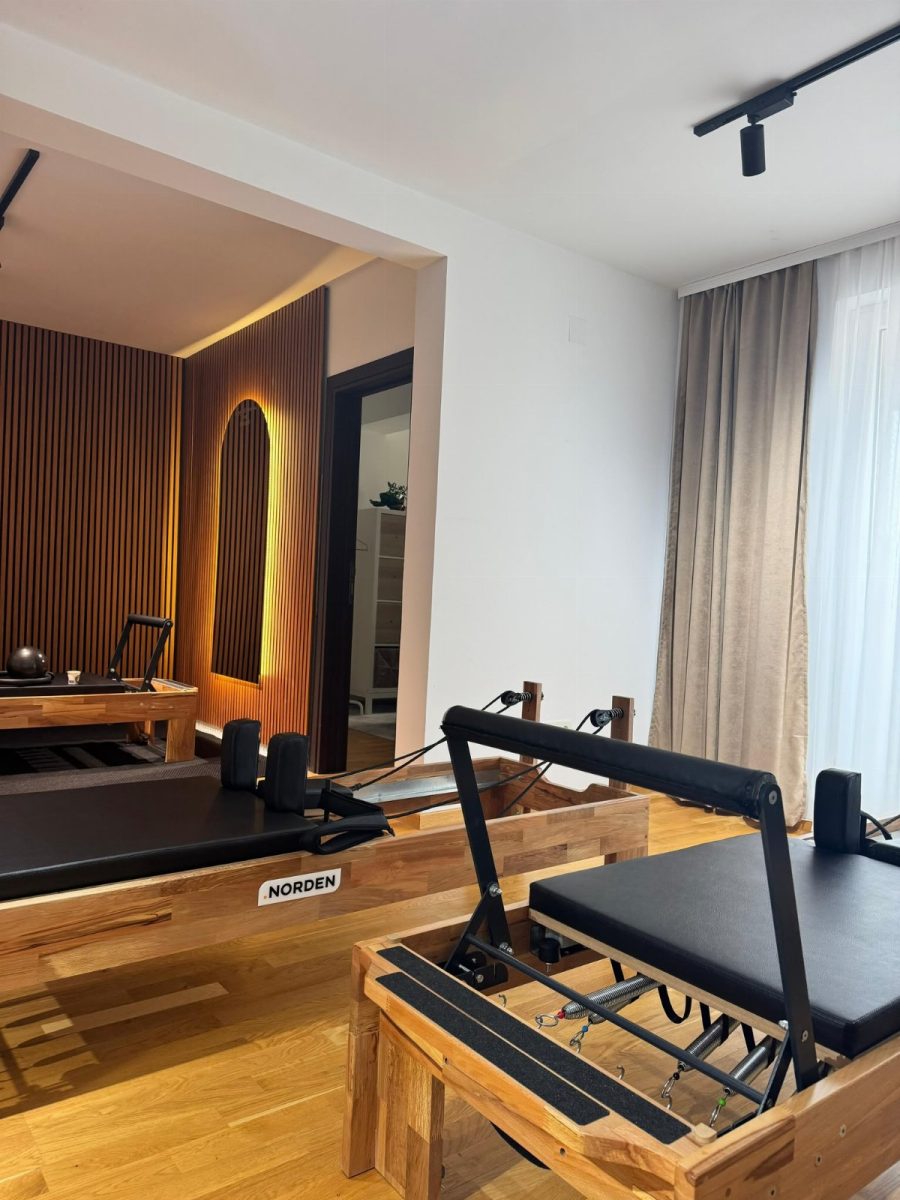
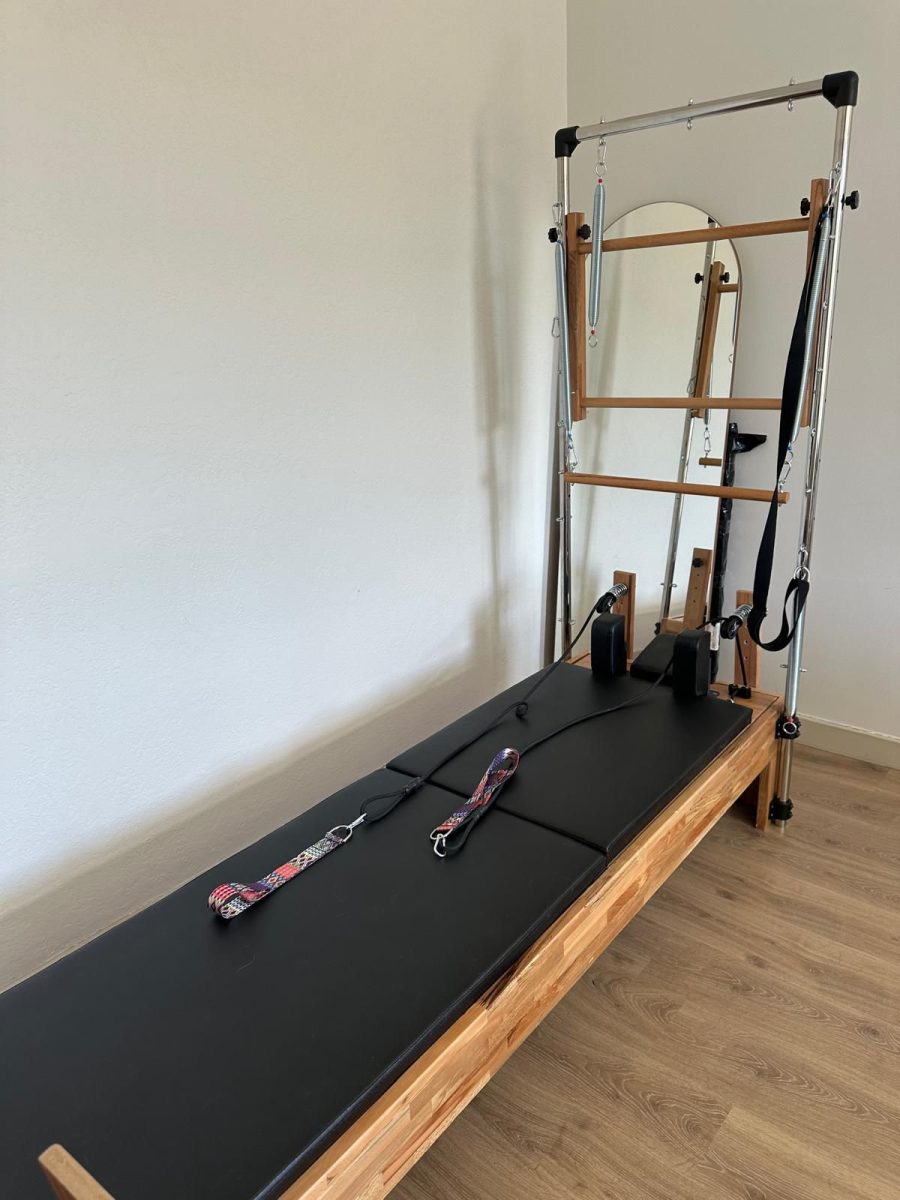
In the second trimester, the abdomen begins to expand, and supine positions carry a risk of vena cava compression after week 20. This is where the Tower Reformer comes in. Its single-sided tower structure, height-adjustable push-through bar and elastic bands allow for upper-body work in side-lying, kneeling and seated positions. The 304 chrome-steel tower construction lets elastic bands be attached from different angles, so scapular stabilisation exercises can be performed safely.
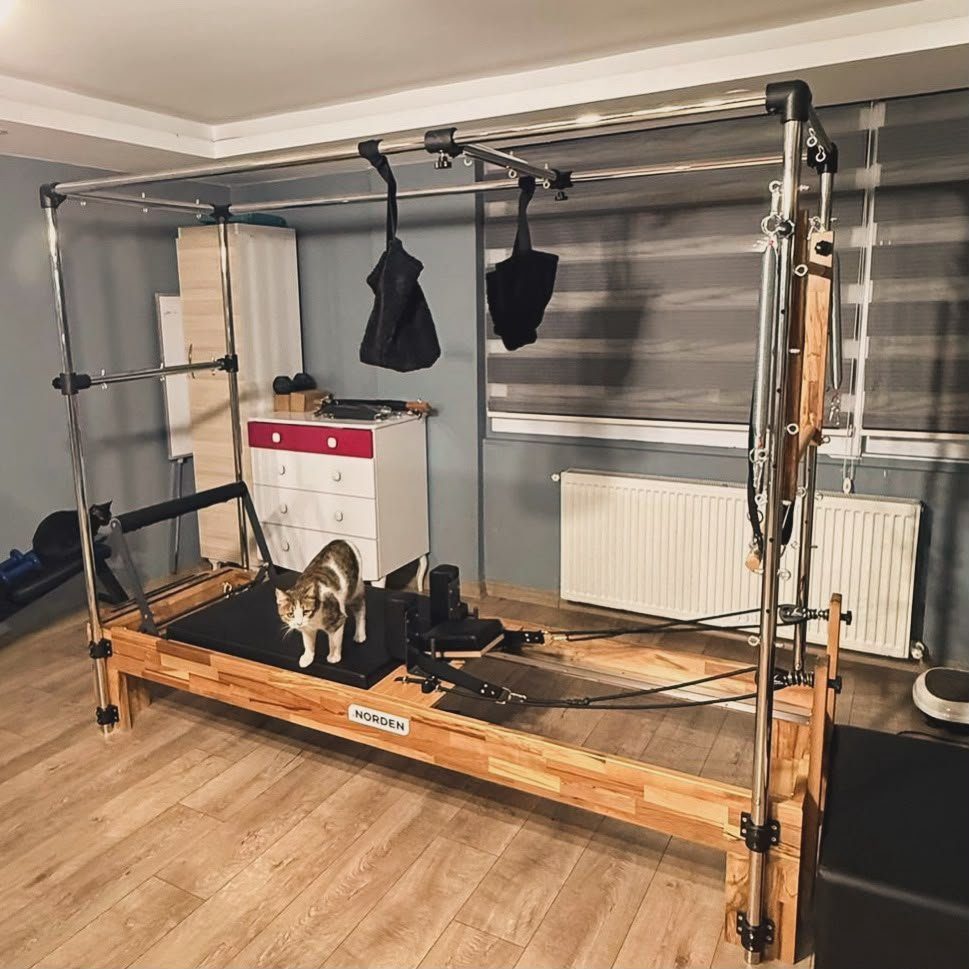
The third trimester is the most critical period. Abdominal weight has increased by 10–15 kg, pelvic floor load is at its peak, and balance control mechanisms have shifted. At this stage, the Cadillac Reformer, with its full cage system, is the safest option. Springs that attach from four directions, along with the trapeze bar and leg spring stations, let a pregnant user train the whole body even while seated or side-lying. What's more, the Cadillac Reformer can also be used for postpartum rehabilitation, making it a long-term investment.
Relaxin and Joint Stability: Why Material Choice Matters
During pregnancy, the hormone relaxin loosens joint capsules to allow the birth canal to widen, but this effect isn't limited to the pelvic area — ligaments and tendons throughout the body are affected, increasing the risk of hypermobility and injury. The premium solid beech wood and 4-layer specialist matte lacquer finish used on Norden Reformer equipment becomes a critical safety feature during this period.
Unlike MDF or laminate-finished models, solid beech construction minimises wobble thanks to its heavier frame. When a pregnant user is moving on the carriage, even the slightest instability in the machine can increase the risk of a fall. The reformer's solid build, weighing around 250 kg-class, sits firmly on the floor, eliminating this risk. Special protection against sweat and moisture is also important for hygiene, as pregnant users' immune systems can be more sensitive. The antibacterial, premium-grade faux leather upholstery can be wiped down quickly after each session, preventing bacterial build-up.
| Trimester | Physiological Characteristics | Recommended Model | Key Equipment Feature |
|---|---|---|---|
| 1st Trimester (0–12 weeks) | Nausea, fatigue, minimal abdominal expansion | Basic Reformer | 4-position footbar, light spring resistance (yellow–blue) |
| 2nd Trimester (13–26 weeks) | Abdominal expansion, vena cava risk, shifting balance | Tower Reformer | Single-sided tower, push-through bar, elastic bands |
| 3rd Trimester (27–40 weeks) | Maximum abdominal load, pelvic floor pressure, limited mobility | Combo Cadillac Reformer | Full cage, four-way spring attachment, trapeze bar |
Model-by-Model Technical Breakdown: Basic vs Tower vs Cadillac
Knowing the technical differences between models is key to choosing the right reformer during pregnancy, both for safety and cost-effectiveness. All three models share the same core mechanics: an 8-wheel system (16 bearings) for quiet, smooth gliding, a 3-position gearbar with a stopper system for full control, and a 5-spring resistance board (yellow, blue, green, red, black) for progressive resistance. What sets them apart is their upper-structure attachments and intended use cases.
Basic Reformer: Minimalist, But Is It Enough?
The most accessible model in the range — see the current price on the product page — the Basic Reformer has no tower or cage system. Far from being a drawback, this makes it well suited to the first trimester and light training routines. Carriage work, footbar exercises and spring work for the arms in prone positions cover all the movements needed in early pregnancy. A Box and jump board are included as standard, useful for upper-body work and balance exercises in a seated position.
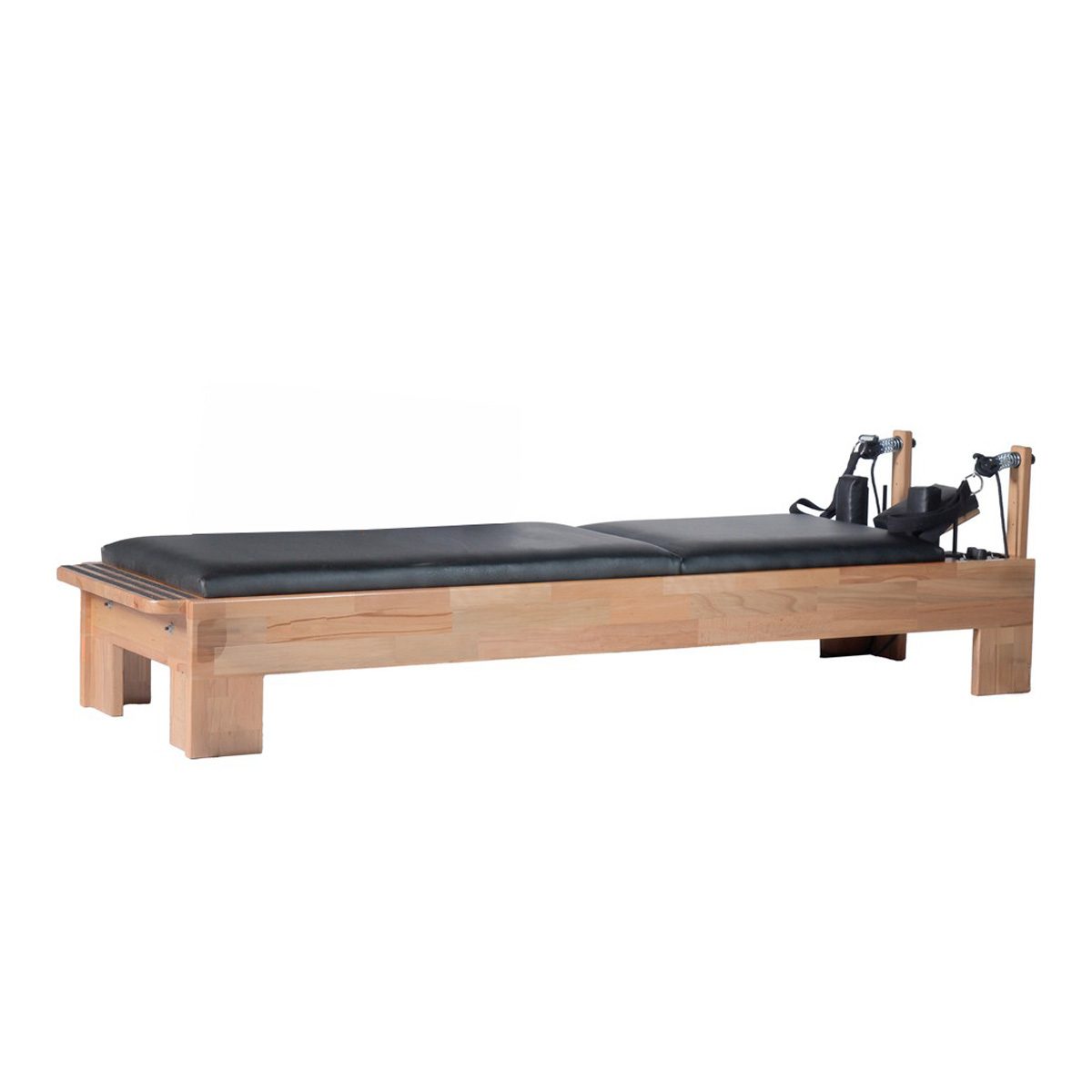
From the middle of the second trimester, though, supine positions become restricted, and the Basic model's lack of attachments starts to show. Without a push-through bar or overhead spring connection, shoulder and upper-back work in side-lying positions is limited. If you're buying for home use and plan only light fitness training, it may well be enough — but it falls short for professional prenatal instruction.
Tower Reformer: One-Sided Tower, Two-Sided Advantage
The Tower Reformer (see the current price on the product page) brings significant added flexibility for a modest premium over the Basic model. Its single-sided 304 chrome-steel tower, measuring 79×190 cm, attaches to the carriage end only. Norden Reformer ships the base fully assembled and provides video guidance for tower assembly, which typically takes 15–20 minutes.
The Tower model's key pregnancy-related advantages include:
- Push-through bar work: Shoulder flexion and scapular depression exercises in a seated position are vital for preventing the upper-crossed syndrome caused by increasing chest weight.
- Elastic band variations: Bands that can be attached at different heights enable hip abduction and adduction work in side-lying positions, helping maintain pelvic stability.
- Leg spring attachments: Essential for continuing lower-body work in side-lying or seated positions once supine positions become restricted.
- Arm spring work: Strengthening the rotator cuff muscles in side-lying positions helps pre-empt the shoulder problems that come with carrying a baby after birth.
The Tower Reformer suits everything from home use to small studio setups. Our article on the differences between the Tower Reformer and the Cadillac Reformer has a detailed comparison, but in short: Tower takes up less space (a single-sided tower) and is more budget-friendly, while Cadillac offers a wider range of attachments.
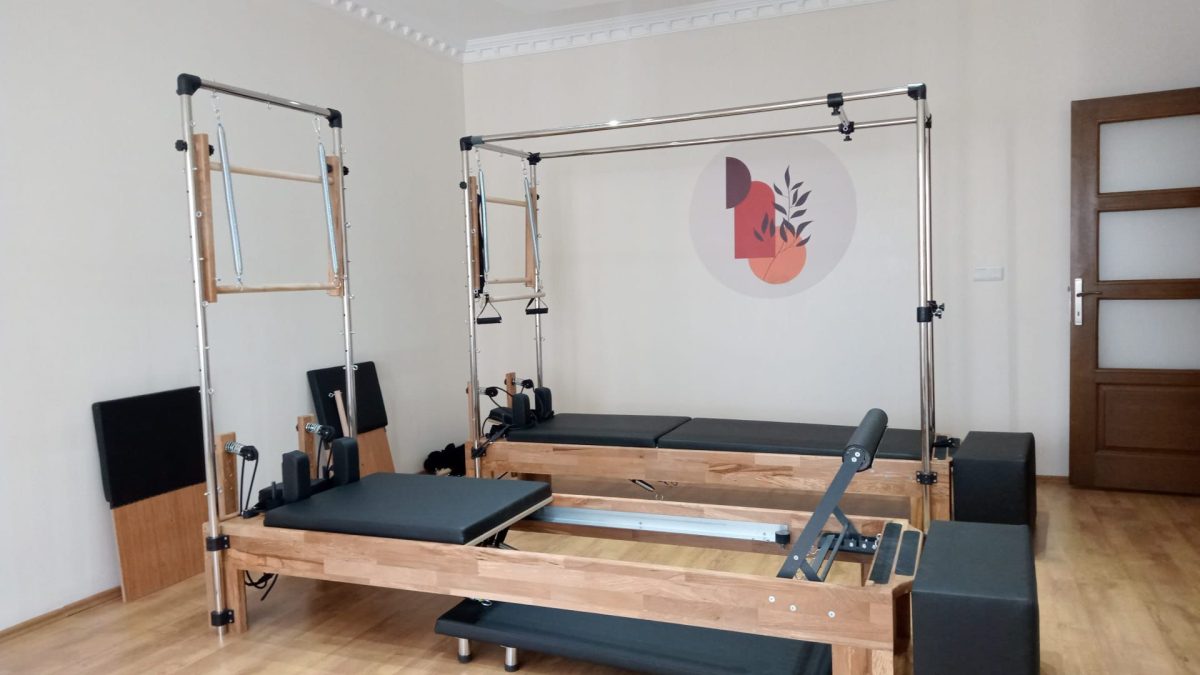
Combo Cadillac Reformer: The Gold Standard for Professional Prenatal Programmes
The Cadillac Reformer (see the current price on the product page) features a full cage system surrounding the reformer bed. It brings together all the classic Cadillac attachments — four-way spring attachment points, trapeze bar, roll-down bar, leg springs and push-through bar. This model should be the first choice for anyone tracking pregnancy under physiotherapist supervision, or running a professional studio.
The Cadillac's unique advantages during pregnancy include:
- Four-way spring attachment: Being able to attach springs from four sides, regardless of the position the mother-to-be is in (side-lying, seated, kneeling), maximises exercise variety.
- Trapeze bar for upper-body mobilisation: As pregnancy progresses, the thoracic spine loses flexibility. The trapeze bar allows safe thoracic extension and rotation work.
- Roll-down bar for controlled flexion: Even with a risk of diastasis recti, controlled and supported flexion movements can be performed, speeding up postpartum recovery.
- Leg springs for pelvic floor activation: Hip extension and abduction in side-lying positions increases eccentric control of the pelvic floor muscles — the muscles under the most strain during birth.
- A safe platform for mat work: Since the Cadillac bed height is adjustable, a pregnant user can do mat exercises without needing to get down onto the floor.
If you're setting up a studio and plan to offer prenatal/postnatal programmes, the Cadillac Reformer is an essential investment, as we also note in our guide to the equipment list for opening a Pilates studio. A single machine doing the job of both a reformer and a Cadillac boosts space efficiency and meets a wider range of client needs.
Safety Protocols: Key Points for Using a Reformer During Pregnancy
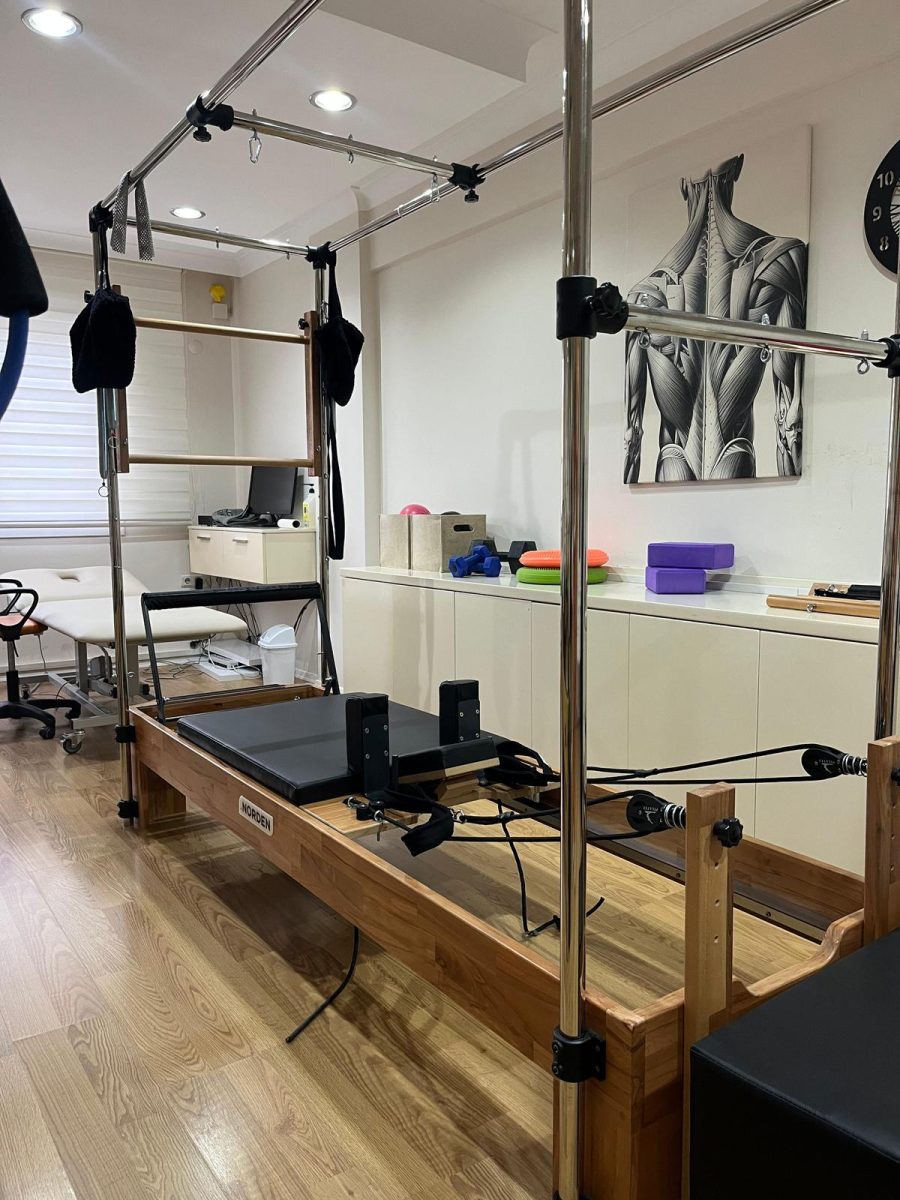
Safety during pregnancy reformer Pilates isn't just about choosing the right equipment — the practical precautions taken during use are vital for protecting both mother and baby. Norden Reformer equipment is built with technical features that support these safety standards.
Footbar and Gearbar Settings: Trimester-Based Configuration
The position of the footbar on a reformer directly affects the pressure placed on a pregnant user's abdomen. Norden reformers' 4-position footbar system calls for different settings at each trimester. While the standard middle position is fine for the first trimester, the footbar should be moved to the highest position from the middle of the second trimester onward. This keeps the knees from coming too close to the abdomen during leg press movements, avoiding pressure on the uterus.
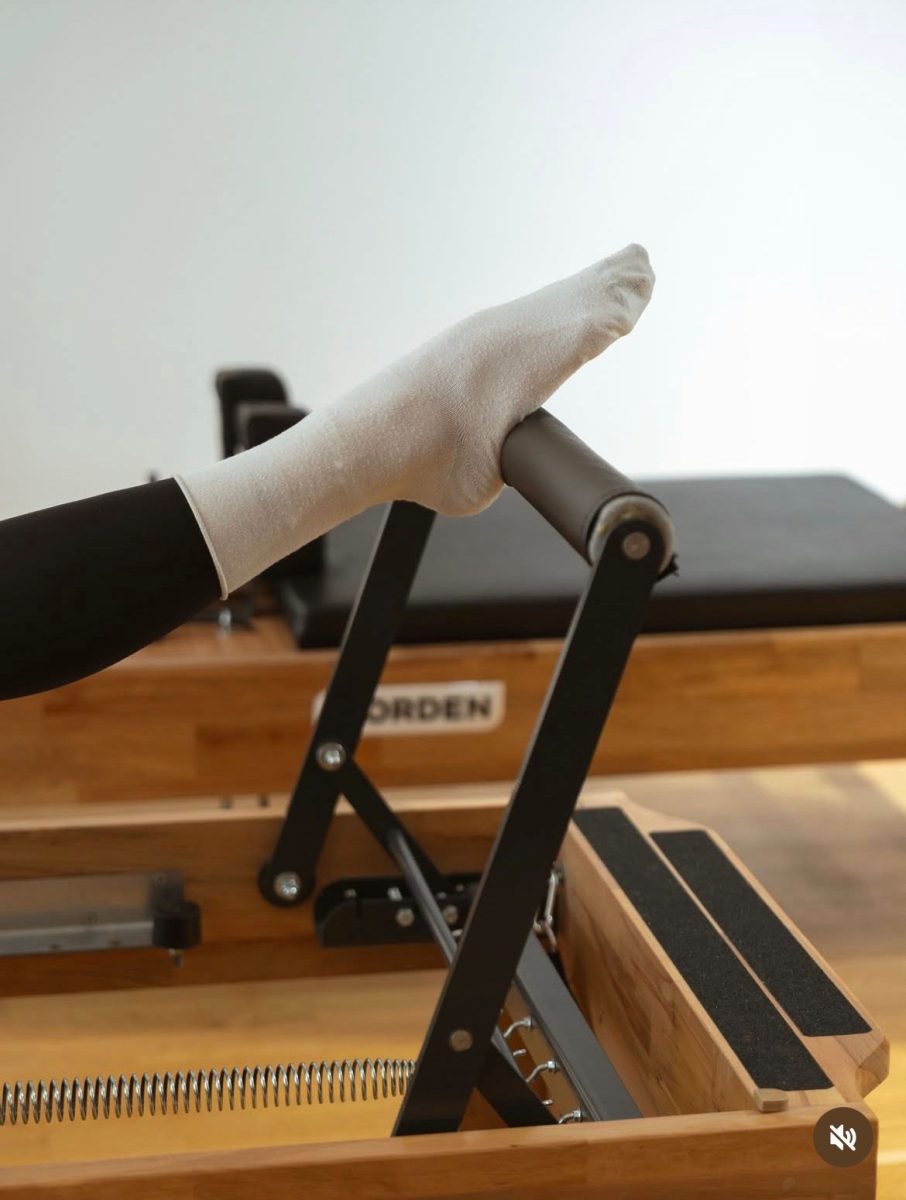
The gearbar system determines the carriage's range of travel. The 3-position gearbar is particularly useful in the third trimester for limiting range of motion. For example, when doing a chest-expansion movement in a prone position, preventing the carriage from travelling too far helps avoid lumbar hyperlordosis. The stopper system also allows movement to be halted instantly in an emergency.
Choosing Spring Resistance: Adapting to Hormonal Changes
Relaxin loosens the joints during pregnancy, which calls for working with lighter resistance. The 5-spring resistance board (yellow, blue, green, red, black) on Norden reformers allows for progressive resistance selection. A combination of blue and green springs is usually enough in the first trimester, while a shift to yellow and blue springs is recommended for the second and third trimesters.
The key point when choosing springs: too little resistance and muscle activation — and therefore stability — will be insufficient; too much, and the risk of the Valsalva manoeuvre (straining against a held breath) increases, something to be strictly avoided during pregnancy. An experienced prenatal Pilates instructor should review the spring combination at every session and make weekly adjustments as needed.
Upholstery and Comfort: Antibacterial Material Standards
The immune system is suppressed during pregnancy, raising infection risk. The antibacterial, premium-grade faux leather upholstery used across all Norden Reformer models minimises this risk. Standard faux leather builds up sweat and moisture over time, creating an environment for bacterial growth, whereas medical-grade antibacterial upholstery can be wiped down quickly after every use, maintaining hygiene standards over the long term.
The ergonomic headrest and shoulder rest system that supports good posture also keeps the cervical spine in a neutral position, particularly in side-lying positions. The neck pain many pregnant women experience often stems from poor head positioning. The fixed ergonomic shoulder rests hold the scapulae in a gentle retraction position, helping prevent upper-crossed syndrome, while the headrest adjusts across 3 positions for individual comfort.
Trimester-by-Trimester Exercise Protocols and Equipment Use
Each trimester has its own exercise needs and restrictions. This section breaks down which movements should be supported by which equipment features at each stage.
First Trimester: Core Stability and Energy Management
The first 12 weeks are the most delicate period of pregnancy. Embryonic development is ongoing, and fatigue and nausea are common. Reformer exercises at this stage should focus on maintaining core stability without draining energy levels. The Basic Reformer meets this need well, since it has no complex attachments and lets the instructor focus on simple, effective movements.
Recommended movements and equipment settings:
- Footwork series (yellow + blue spring): Supine on the carriage, footbar at the middle position. Keep knee flexion below 90 degrees, and avoid locking the knees at full extension.
- Supine arm work (single blue spring): Shoulder flexion and extension movements build scapular stability. As breast tissue begins to grow during this period, supporting muscles need strengthening.
- Pelvic curl (single green spring): A key movement for pelvic floor and glute activation. Keep the movement limited to a pelvic tilt rather than a full bridge position.
- Seated box work: Upper-body work seated on the Box offers an alternative to horizontal positions on days when nausea is more noticeable.
During this period, the biggest advantage of using a Pilates reformer is the comfort of a horizontal working position. Even getting up and down from the floor in mat Pilates can feel exhausting, whereas the reformer bed sits at a much more accessible height.
Second Trimester: More Energy, Broader Movement
Weeks 13–26 are the most comfortable period for most pregnant women. Nausea eases, energy increases, and the abdomen hasn't yet grown too large. This is where the Tower Reformer comes into its own, since supine positions carry a risk of vena cava compression after week 20, making the shift to side-lying positions essential.
Recommended movements and tower attachments:
- Side-lying leg work (blue + yellow spring, tower leg springs): Hip abduction and adduction in a side-lying position maintains pelvic stability. The leg springs attached to the tower keep the movement controlled.
- Seated push-through bar (single green tower spring): Shoulder flexion and thoracic extension via the push-through bar in a seated position strengthen the upper back, countering the rounded posture caused by increasing chest weight.
- Kneeling arm work (tower elastic bands): Rotator cuff exercises using bands attached to the tower in a kneeling position, preparing the shoulders for carrying the baby after birth.
- Modified mermaid (tower side spring): Lateral flexion in a side-seated position opens up the intercostal muscles and increases breathing capacity.
The Tower Reformer's key advantage during this period is that its single-sided tower structure provides full support in both side-lying and seated positions. The instructor can find whichever position the expectant client is comfortable in and get maximum benefit from it.
Third Trimester: Minimal Position, Maximum Effect
The final 13 weeks bring the most limited range of movement. Abdominal weight has increased by 10–15 kg, the centre of balance has shifted forward, and the pelvic floor is under maximum load. This is where the Combo Cadillac Reformer shows its full potential — its four-way spring system allows exercise to continue regardless of position.
Recommended movements and Cadillac attachments:
- Seated trapeze bar pull (two green springs): Trapeze bar pulls in a seated position activate the lats and mid-traps, supporting posture and preparing for the pushing position during labour.
- Side-lying leg springs (single yellow spring): Light-resistance hip movements in a side-lying position push the pelvic floor muscles into isometric work. Avoid heavy loads during this period and prioritise control.
- Modified roll-down bar work (single blue spring): Gentle spinal flexion and extension in a seated position maintains thoracic mobility. A full roll-down isn't performed — only the upper thoracic segment is worked.
- Breathing exercises on elevated mat: With the Cadillac bed raised, a pregnant user can do diaphragmatic breathing exercises without getting down to the floor — helpful for both mental preparation for birth and pelvic floor coordination.
- Gentle arm springs (single yellow spring): Arm springs that attach from four directions provide shoulder mobilisation with minimal effort. Since fatigue peaks close to delivery, light but effective movements are preferred.
If you're considering investing in a reformer during the third trimester, bear in mind that the same machine can continue to be used postpartum — see our guide to reformer pricing for more. The Cadillac Reformer is the most widely used piece of equipment in postpartum rehabilitation, since diastasis recti repair, pelvic floor retraining and core stabilisation protocols can all be carried out safely on this machine.
Logistics and Setup: Practical Considerations During Pregnancy
Logistics are worth considering when deciding on a reformer purchase. Norden Reformer offers a transparent, reliable process here.
Production and Delivery Process
Once an order is placed, a 9-business-day production time applies. Every reformer is handcrafted to order at our workshop in Izmir. Delivery, taxes and duties are included in the price, and machines ship fully assembled to your door.
An important detail: the bed section arrives fully assembled. Only on Tower or Cadillac models does the tower section need to be attached and tightened onto the bed. The process is straightforward, and the Norden Reformer team provides video guidance. If you're pregnant, you can complete assembly in 15–20 minutes with help from a partner or friend — no heavy lifting is involved, just tightening some bolts.
Warranty and Spare Parts Support
Pregnancy lasts nine months, and it's the last thing you need to worry about equipment issues during this time. Norden Reformer offers a 2-year parts warranty, which covers heavy use, whether that's daily use at home or multi-user scenarios in a studio. The team provides fast support for spring replacement, bearing maintenance, upholstery renewal and similar needs.
Cases outside the warranty's scope are generally physical damage caused by user error (for example, fitting springs incorrectly or piercing the upholstery with a sharp object). Such cases are rare under normal use, and full details are available on our warranty terms page.
Cost Analysis: Which Model Suits Your Budget?
Buying a reformer during pregnancy isn't just a nine-month investment. Factoring in postpartum rehabilitation, an ongoing fitness routine and even future pregnancies, it's a long-term investment in your health.
Model Comparison: Price and Value
| Model | Price | Target User | Long-Term Value |
|---|---|---|---|
| Basic Reformer | See the current price on the product page | First trimester, home use, light fitness | Moderate (no attachments can be added) |
| Tower Reformer | See the current price on the product page | All trimesters, small studios, home use | High (wide range of movement) |
| Combo Cadillac Reformer | See the current price on the product page | Professional studios, prenatal/postnatal programmes | Maximum (two machines in one) |
Many studio owners opt for a single Combo Cadillac instead of two separate machines, saving on both space and budget.
Cost Comparison: Studio Membership vs Owning Your Own Equipment
If you're considering taking professional prenatal Pilates classes at a studio throughout pregnancy, the costs can add up quickly over nine months of regular sessions — often approaching the price of a Basic Reformer.
Owning your own equipment, on the other hand, means you can train at home whenever you like, and keep using the same machine after birth. If you need professional guidance on choosing a reformer for physiotherapy use, the Norden Reformer team offers free consultation.
The Science: Evidence-Based Effects of Reformer Pilates During Pregnancy
Modern obstetric literature points to many benefits of controlled exercise during pregnancy, and reformer Pilates stands out as a modality that maximises these benefits.
Pelvic Floor Health and Birth Outcomes
A systematic review published in the Journal of Physiotherapy (2020) found that women who did regular Pilates during pregnancy saw pelvic floor muscle strength increase by 20–30%, and the second (pushing) stage of labour shorten by an average of 15–20 minutes. Unlike mat Pilates, reformer Pilates allows isolated pelvic floor work even in supine positions, as spring resistance increases muscle activation while reducing joint load.
In particular, pelvic tilt movements in the footwork series develop eccentric and concentric control of the pelvic floor muscles. This control helps the muscles contract and relax in a coordinated way during labour, reducing the risk of perineal tearing, and lowering the likelihood of postpartum incontinence.
Preventing and Managing Diastasis Recti
Diastasis recti — separation of the abdominal midline — occurs in 60–70% of pregnancies. Reformer Pilates, performed with correct technique, can help reduce this risk. A study published in the British Journal of Sports Medicine (2019) found that women who did controlled core exercises throughout pregnancy had 35% less diastasis recti width compared with a control group.
Chest lift and hundred modifications performed on the reformer isolate the transversus abdominis without placing excessive load on the rectus abdominis. The carriage's gliding motion mimics an anti-gravity environment, allowing safe activation of the abdominal muscles. Oblique work done in side-lying positions with spring support, particularly on the Tower and Cadillac models, strengthens the side abdominal muscles while protecting the midline.
Managing Lower Back Pain and Postural Control
Increased lumbar lordosis during pregnancy is a leading cause of lower back pain. A randomised controlled trial published in The Spine Journal (2018) reported that pregnant women who did regular reformer Pilates between weeks 24 and 32 saw their VAS (Visual Analogue Scale) back pain scores drop by 4.2 points, compared with just 0.8 points in the control group.
Spinal articulation movements on the reformer (such as pelvic curls and knee stretches) maintain vertebral mobility and improve flexibility in the paravertebral muscles. Back extension work in prone positions in particular strengthens the erector spinae, maximising postural support. Using the push-through bar on the Tower and Cadillac models increases thoracic extension capacity, helping prevent upper-back compensation.
Frequently Asked Questions
Is it safe to do reformer Pilates during pregnancy?
With your doctor's approval, reformer Pilates is safe during a healthy pregnancy, but working with a prenatal-certified instructor is essential. Reformer work is safer than mat Pilates, as the horizontal position, controlled resistance and support system reduce joint load. In the second and third trimesters especially, supine positions should be avoided in favour of side-lying and seated positions, where the Tower and Cadillac models offer a wide range of motion.
Which reformer model should I choose at each trimester?
A Basic Reformer may be enough in the first trimester, since the abdomen hasn't yet grown and standard movements can be performed. From the middle of the second trimester, a Tower Reformer becomes more suitable, as tower support becomes important for side-lying positions. In the third trimester, or if you're setting up a professional studio, a Cadillac Reformer is the ideal choice, as its four-way spring system and trapeze bar provide maximum exercise variety even in the most limited positions.
Can the same reformer be used after birth?
Absolutely. In fact, reformer Pilates is the gold standard for postpartum rehabilitation. Diastasis recti repair, pelvic floor retraining and core stabilisation protocols are all carried out most safely on a reformer. The Cadillac Reformer in particular can be used even in the first weeks after birth, since its adjustable height means you don't need to get down to the floor. On the Tower model, the push-through bar and leg springs are invaluable for postpartum core strengthening.
Does reformer Pilates help with weight management during pregnancy?
Reformer Pilates supports healthy weight gain during pregnancy but shouldn't be used as a weight-loss tool. Regular practice maintains muscle tone, balances metabolism and helps prevent excessive weight gain — but creating a calorie deficit during pregnancy is unsafe. Reformer work is beneficial for reducing swelling and improving circulation. After birth, it becomes an excellent tool for controlled weight loss, as it increases muscular endurance and raises basal metabolic rate.
How does delivery and setup work when buying a reformer?
Norden Reformer completes production within 9 business days of your order, with delivery, taxes and duties included in the price and machines shipped fully assembled to your door. The bed section arrives fully assembled; only on the Tower or Cadillac models does the tower need to be attached to the bed. The process is very simple, and video guidance is provided. If you're pregnant, avoid heavy lifting — with a friend's help, you can complete assembly in 15–20 minutes. See our shipping and delivery page for more details.
Conclusion: Why a Reformer Pilates Investment Makes Sense During Pregnancy
Pregnancy is nine months of the most intense change your body will go through. Every investment you make during this time directly affects both your baby's health and your own recovery process. Buying a Pilates reformer isn't just about buying exercise equipment — it's a long-term investment in pelvic floor health, postural balance, mental wellbeing and faster postpartum recovery.
When choosing between Norden Reformer's three models, start by clarifying your needs. If you'll be doing light exercise at home and are working with a tighter budget, the Basic Reformer won't let you down. But if you expect to need more side-lying position work in the second and third trimesters, or plan to continue professional support after birth, the Tower Reformer is the smarter choice for a modest extra outlay. If you're setting up a professional studio or will be following a prenatal programme under physiotherapist guidance, the Combo Cadillac Reformer is unquestionably the right choice.
Keep in mind that across all models, a solid beech frame, a quiet 16-bearing system, antibacterial upholstery and a 2-year warranty come as standard, with a Box and jump board included in every set. Nine business days of production and fully assembled delivery with taxes and duties included make for a smooth, secure purchase, with straightforward setup and full support throughout.
If you're looking for a scientifically backed, carefully engineered Pilates reformer you can use with confidence throughout pregnancy and beyond, look no further. Browse our models on the Norden Reformer website, find the one that best fits your needs, and take the first step towards a strong, healthy and well-informed pregnancy. Both you and your baby will reap the benefits of this investment for years to come.


