


The First Step in Choosing a Pilates Reformer: Defining Where You'll Use It
When choosing a Pilates reformer, the most basic question you'll face is this: will the machine be used for individual training at home, or will it face constant, heavy use in a professional studio setting? This isn't just a matter of preference — it's a critical decision point that directly affects material quality, mechanical durability, safety standards and long-term cost. A reformer intended for someone building a healthy home routine has very different technical requirements from one used by a professional delivering paid sessions to clients all day.
Machines marketed as home-use or studio-use differ not just in price, but in biomechanical features, manufacturing processes and quality control standards. A home user might plan three sessions a week, while the same model in a studio could see eight to ten sessions a day across very different body types. That difference in intensity affects everything — from the frame structure to the spring mechanism, from the upholstery to the wheel bearings. To help you choose correctly, this guide takes a deep dive into both categories, covering materials science, biomechanics, cost comparisons and installation logistics.
Quick Decision Guide: Which Model Suits You?
If you're a physiotherapist or certified Pilates instructor opening a new studio, or adding equipment to an existing one, you need a reformer that holds its form under heavy load, runs smoothly and quietly, and is fully rated for intensive use. In that case, you should be looking at studio-grade reformers. If you're planning to train at home on your own, a budget-friendly, easy-to-set-up, space-saving home reformer may make more sense. Still, be careful: some products marketed as "home use" actually meet studio-grade standards in terms of materials and mechanics. Don't rush your decision before learning all the technical details.
Home Reformers: Definition, Use Cases and Technical Specifications
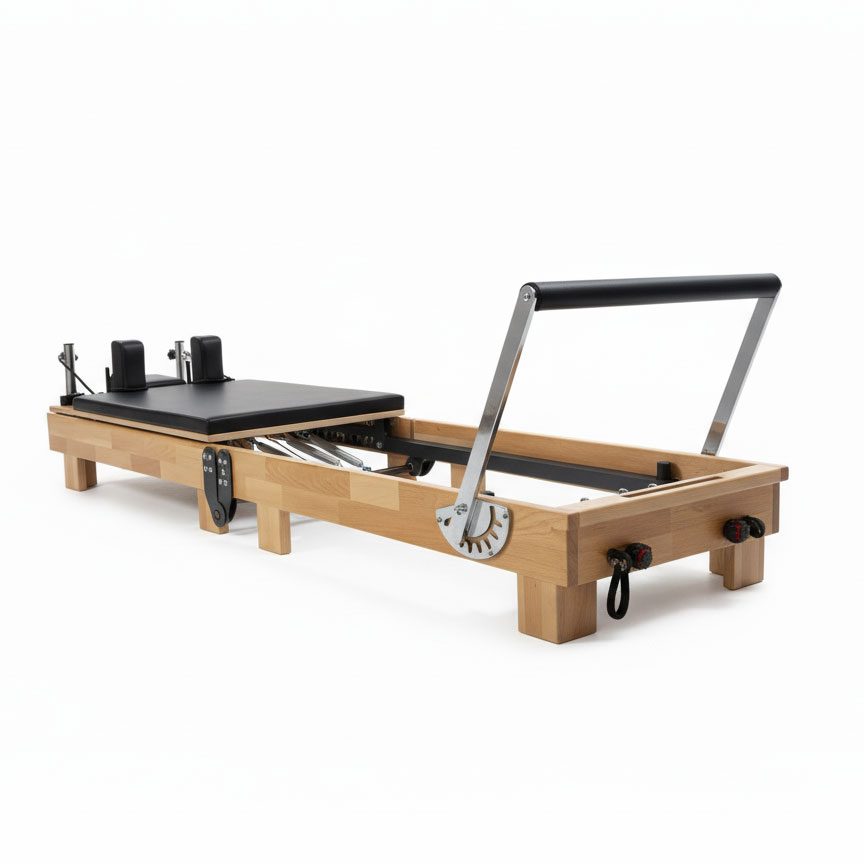
Home reformers are typically designed for a single user training a few times a week. These machines stand out for their compact build, lighter materials and sometimes foldable mechanisms. That said, there's an important caveat: "home use" can sometimes be a euphemism for lower quality, and cheap, flimsy products are often sold under that label. Not every home reformer belongs in the same category. Norden Reformer's Foldable Reformer, for instance, is positioned for home use, yet matches many studio-grade machines in material quality and mechanical build.
Material and Build Standards for Home Reformers
A well-built home reformer should be made from premium solid beech wood. Thanks to its density and grain structure, beech is impact-resistant, resists bending and lasts for years. A four-layer matte lacquer finish on top creates a protective barrier against sweat and moisture, giving you equipment that will serve you well at home for years to come. Some manufacturers cut costs by using MDF or laminated materials, which can crack, swell and pose safety risks in a short time. Beyond a solid frame, an eight-wheel system with sixteen bearings keeps the carriage gliding smoothly and quietly — essential if you like training early in the morning or late at night.
Usage Frequency and Durability Threshold
In home use, a reformer typically runs three to five sessions a week. At this intensity, a reasonably good-quality machine should run trouble-free for five to eight years. However, if more than one person uses the same machine at home, or if heavier users put more strain on the equipment, material quality becomes increasingly important. That's why, even within the home category, choosing a 250 kg-class, heavy-frame, vibration-free model is the right call for both safety and long-term durability.
Studio Reformers: Professional Standards and the Demands of Heavy Use
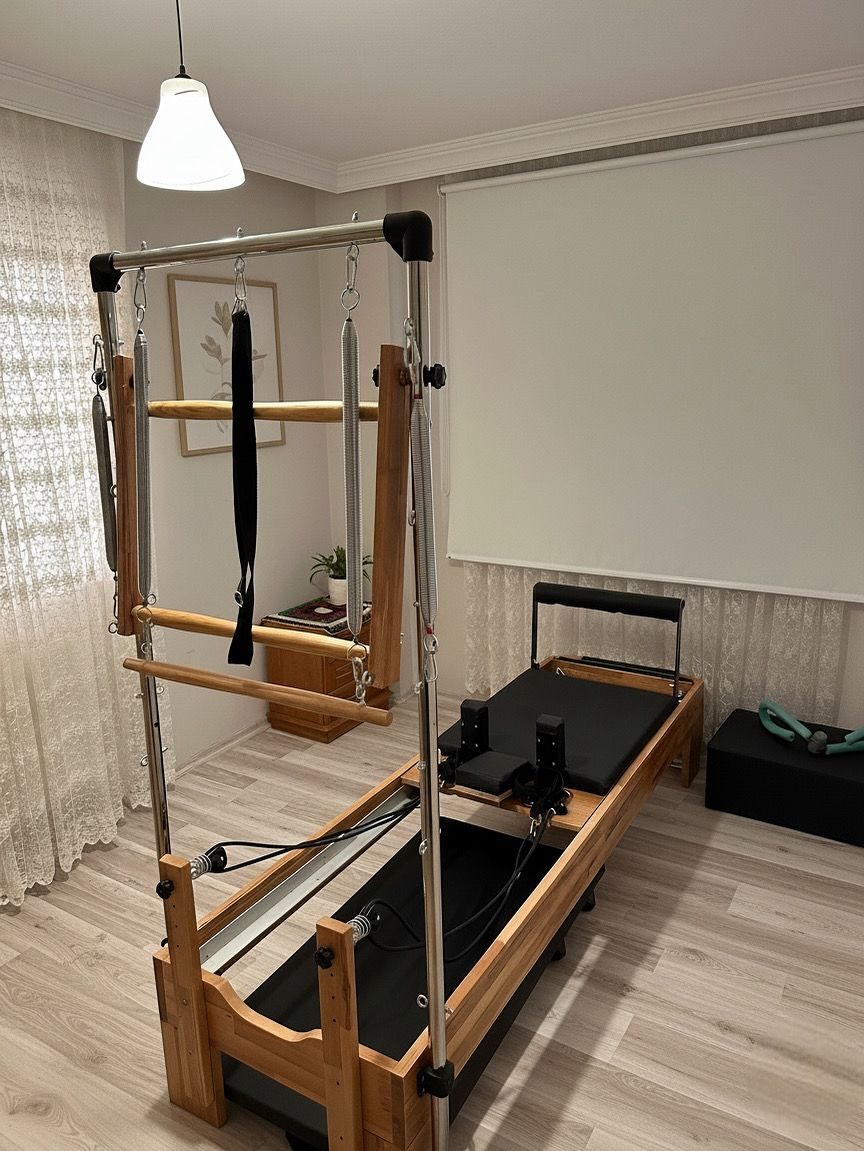
Studio reformers are designed to be used by eight to ten different clients a day. That requires significantly higher quality standards across every component. As a studio owner, if equipment fails, you're not just facing a repair bill — you're risking lost clients, reputational damage and lost revenue. So while price matters when choosing a studio reformer, factors like durability, ease of maintenance and spare parts availability should take priority.
Mechanical and Build Differences in Studio Use
Studio-grade machines are also built from solid beech, but the wood drying process, grain orientation and number of lacquer layers are produced to tighter tolerances. The eight-wheel system with sixteen bearings keeps the motion smooth even under constant use. All bearings should be stainless steel and inspected regularly. A quiet carriage is essential in a studio setting, where music and the instructor's voice need to be heard clearly — which is why a high-quality bearing and rail system is standard on studio machines.
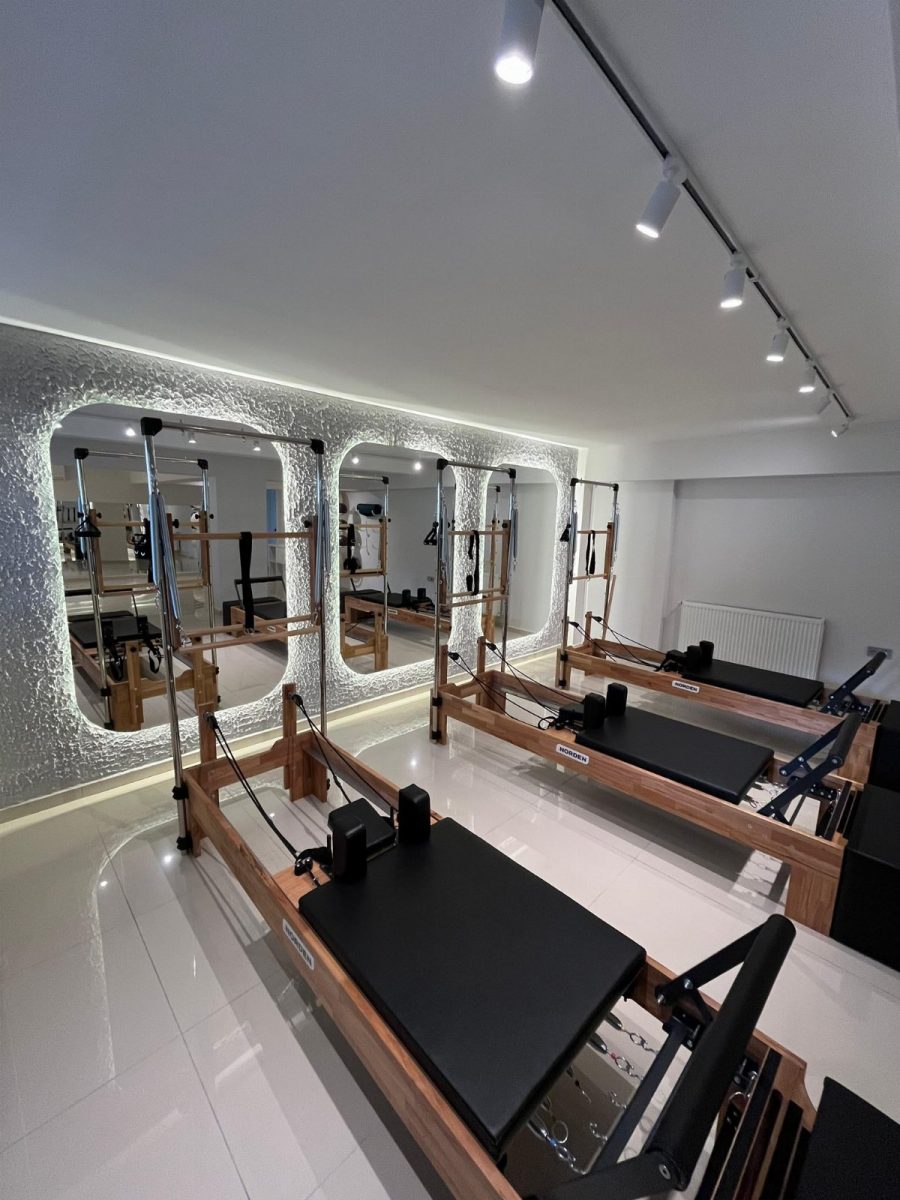
Springs provide the resistance in Pilates movements. A five-spring resistance board, colour-coded (yellow, blue, green, red, black), represents different resistance levels. In a studio, where clients of different levels need quick adjustments, springs need to be easy to swap and durable. Low-quality springs can snap, break or lose elasticity — creating a safety issue and hurting client satisfaction.
Upholstery and Hygiene Standards
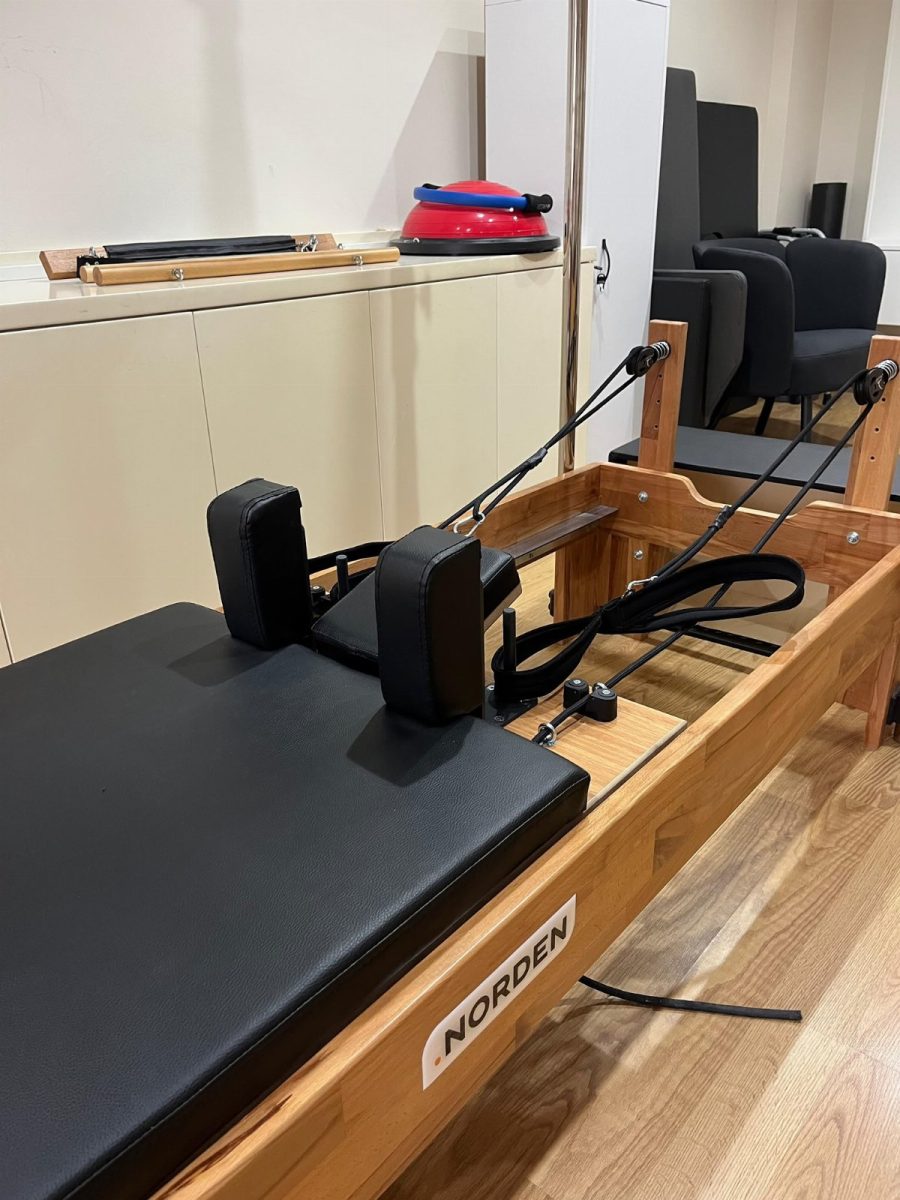
In a studio, every client's sweat and skin contact points put the machine's hygiene at risk, which is why antibacterial, premium-grade faux leather is essential. This material should be easy to clean, resistant to punctures and tearing, and UV-stable. Some manufacturers use low-quality PVC-based upholstery, which cracks, fades and loses hygiene quickly. Manufacturers like Norden Reformer use certified antibacterial, long-lasting faux leather throughout, saving studio owners the recurring cost of reupholstering.
Technical Comparison: Home vs Studio Reformers Side by Side
| Feature | Home Reformer | Studio Reformer |
|---|---|---|
| Usage Frequency | 3-5 sessions/week, single user | 8-10 sessions/day, multiple users |
| Material Quality | Premium solid beech, 4-layer lacquer | Premium solid beech, industrial-grade lacquer |
| Wheels and Bearings | 8 wheels, 16 bearings (stainless steel) | 8 wheels, 16 bearings (stainless steel, reinforced) |
| Spring System | 5 colours (yellow, blue, green, red, black) | 5 colours, industrial-grade elasticity and lifespan |
| Upholstery | Antibacterial faux leather | Antibacterial, high-density faux leather |
| Warranty | 2-year parts warranty | 2-year parts warranty, rated for heavy use |
| Weight | Approx. 250 kg (vibration-free) | 250 kg and above (maximum stability) |
| Footbar Adjustment | 4 positions | 4 positions (quick-change mechanism) |
| Gearbar and Stopper | 3 positions, manual | 3 positions, industrial-grade locking |
| Set Includes | Box and jump board included | Box and jump board included |
This table summarises the key differences, but it also shows that both categories can share similar quality standards. The real difference lies in durability under continuous use and ease of maintenance. A studio reformer must deliver the same performance to dozens of users every day, while a home reformer needs to stay stable over years of less frequent use.
Usage Scenarios and Needs Analysis: Which Reformer for Which Situation?
To choose correctly, you need to clearly define your own usage scenario and goals. This section offers detailed recommendations for different user profiles.
Scenario 1: Individual Home User (3-5 Sessions a Week)
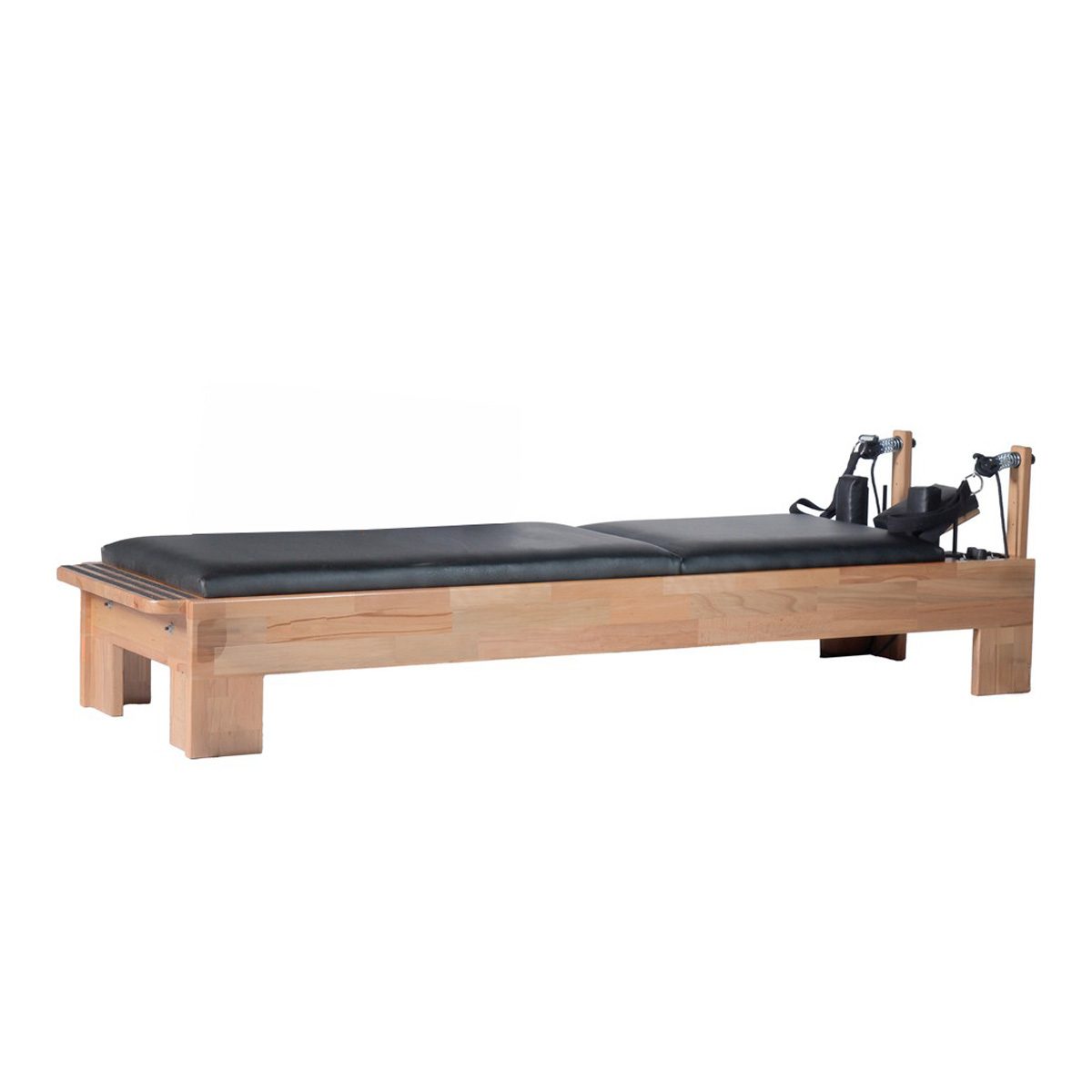
If you'll be training at home three to five times a week, the Basic Reformer may be all you need. This model has no tower or cage structure — just the carriage and spring system. Despite its simplicity, quality materials and mechanics mean years of trouble-free use. See the current price on the product page — this model is a budget-friendly option that still supports every fundamental Pilates movement.
If you want more variety and upper-body work at home, consider the Tower Reformer. It features a solid, rigid single-sided 304 chrome steel tower, giving you additional options for upper-body, shoulder and back work. See the current price on the product page — this model brings the studio experience home.
Scenario 2: Semi-Professional or Small Private Studios
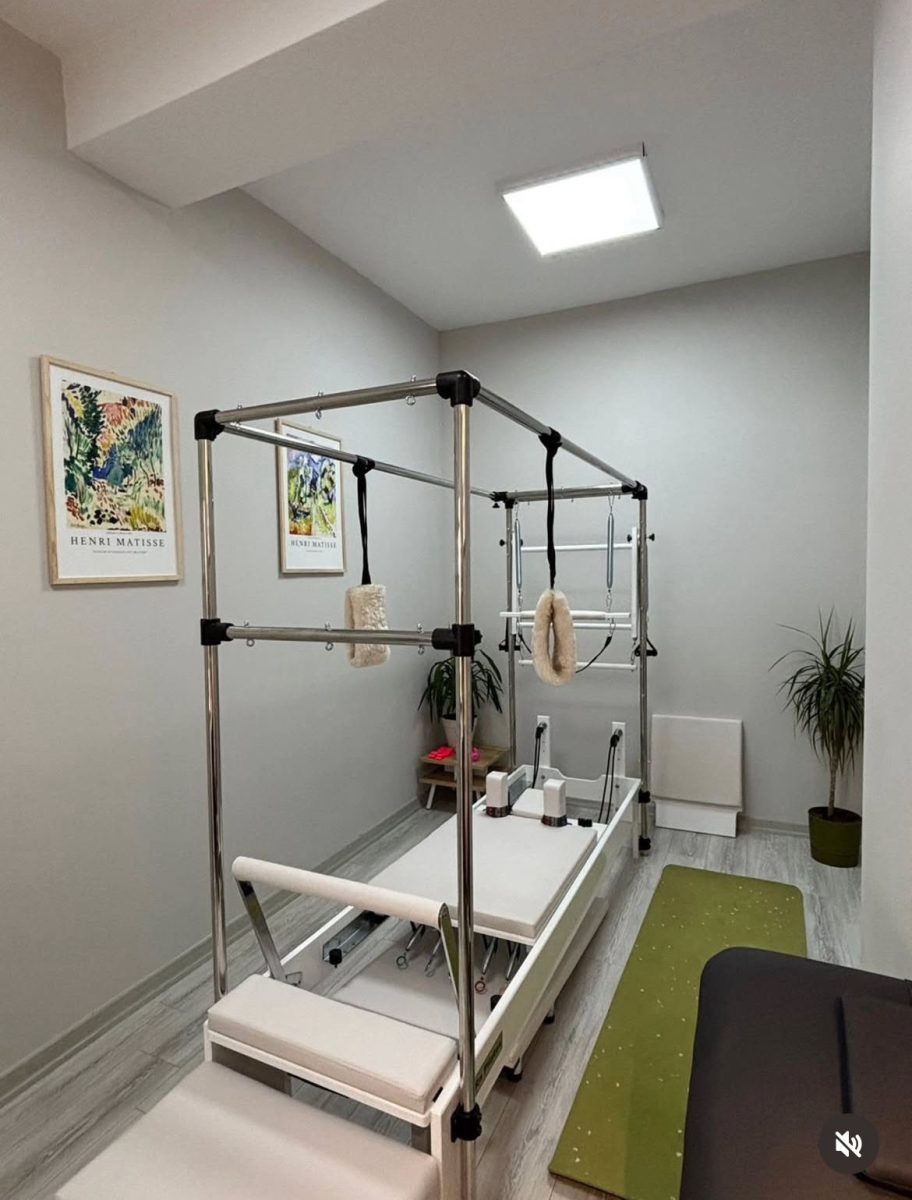
If you run a small private studio or see only a handful of clients a day, choose between the Tower Reformer and the Cadillac Reformer. The Cadillac Reformer has a full cage structure allowing movement in every direction, making it the most complete version of the reformer. See the current price on the product page — it's an ideal investment for those offering professional training. The only real difference between the Cadillac and Tower is the single-sided tower versus the full cage — and that structural difference directly shapes movement variety and instructor creativity.
Scenario 3: Busy Professional Studios with High Client Turnover
If your studio sees eight to ten clients a day, equipment durability and spare parts availability become strategically important. In this case, choose a Tower Reformer or Cadillac Reformer rated for heavy use, backed by a two-year parts warranty and built from premium materials with robust mechanics. Pay particular attention to high-wear points like upholstery, spring quality and the bearing system. Manufacturers like Norden Reformer meet industrial standards across all these points, giving studio owners a long-term cost advantage.
Materials Science and Biomechanics: Why Solid Beech and 304 Chrome Steel?
The materials used in reformer construction are critical to both safety and performance. Solid beech is one of the most widely used woods in furniture and exercise equipment worldwide. Its density ranges between 600-700 kg/m³, with a homogeneous grain structure that increases bending strength and reduces the risk of cracking. A four-layer matte lacquer finish protects the wood from moisture and sweat, sealing the pores and minimising bacterial build-up.
The tower structure in the Tower and Cadillac models is made from 304 chrome steel. Grade 304 stainless steel offers excellent corrosion resistance and can withstand years of heavy use without rusting. The chrome plating adds extra hardness and smoothness to the steel surface, allowing straps and spring hooks to move freely without friction. From a biomechanical standpoint, tower height and width are optimised for the user's body size and range of motion. Norden Reformer's tower dimensions are a standard 79×190 cm, a size that fits the average human body well.
Wheel System and Bearing Mechanics
A reformer's carriage glides back and forth on a horizontal plane, and that motion depends on the quality of the wheel and rail system. Eight wheels and sixteen bearings distribute weight evenly and minimise the load on each wheel. Bearings should be stainless steel and of the sealed type. Open bearings pick up dust and moisture quickly and get noisy in no time, while sealed bearings retain their lubricant and last much longer.
The rail system can be machined as a channel in the wood surface or fitted as a metal profile. Metal rail systems are more durable and easier to maintain than wood channels, though a well-machined wood channel can offer a quieter glide. Norden Reformer uses a hybrid combination of wood and metal, delivering both quiet operation and durability.
Pricing, Cost Comparison and Long-Term Investment Analysis
When buying Pilates equipment, you should factor in the total cost of ownership, not just the upfront price. Reformer prices vary by model, material quality and included accessories. Norden Reformer offers three main models:
- Basic Reformer: see the current price on the product page (no tower or cage — just the base reformer carriage)
- Tower Reformer: see the current price on the product page (single-sided 304 chrome steel tower)
- Combo Cadillac Reformer: see the current price on the product page (full cage structure)
These prices include the full set: Box, jump board, and dedicated headrest and shoulder rests. Production takes nine business days, and delivery, taxes and duties are included in the price — machines ship fully assembled via specialist freight rather than standard courier. The carriage arrives pre-assembled; only the tower section needs to be fitted and secured to the carriage, a job supported by video instructions and taking about half an hour.
Long-Term Total Cost of Ownership
When buying a reformer, look beyond the purchase price to maintenance, spare parts and possible repair costs. A low-quality machine may look cheap at first but can soon demand spring replacements, upholstery repairs and bearing overhauls. Norden Reformer's two-year parts warranty reduces that risk, and the use of premium materials extends the equipment's lifespan, reducing the need for frequent reinvestment.
For example, if a studio reformer runs trouble-free for five years with no major repairs, its annual cost works out to just a fifth of the original purchase price. A low-quality machine that needs replacing every two years can end up costing twice as much overall. In other words, quality equipment is the more economical choice in the long run.
Logistics, Assembly and Delivery
You should also factor in production and delivery timelines when buying a reformer. At Norden Reformer, production takes nine business days. Machines are delivered fully assembled via specialist freight rather than standard courier, ensuring they arrive undamaged. Delivery, taxes and duties are included in the price.
The carriage arrives pre-assembled. Only on Tower or Cadillac models is the tower section packed separately, to be fitted by the user. This is a simple job, supported by video instructions. The only tools needed are a screwdriver and an Allen key (usually included in the set). Assembly takes about half an hour on average and requires no professional installation — saving both time and money.
Planning for Transport and Placement
The reformer carriage measures 69×240×40 cm, with a tower height of 79×190 cm. Total weight is around 250 kg. These dimensions mean you'll need to plan for door width and ceiling height when moving the machine into position. A standard door width of 80-90 cm is enough for the carriage to pass through, though the tower section should be checked separately. Once the tower is fitted, ceiling height should be at least 210 cm. If space is tight at home or in your studio, consider alternatives like the Foldable Reformer or the tower-free Basic Reformer.
Pros and Cons of Home and Studio Reformers
Advantages of Home Reformers
- Budget-Friendly: A lower starting cost makes it accessible for individual users.
- Space-Saving: Some models fold up, making them practical for smaller homes.
- Easy Setup: No complex assembly required — ready to use quickly with video support.
- Train at Your Own Pace: Freedom to set your own training schedule, without relying on group classes.
- Hygiene Control: Since you're the only user, you control cleaning and hygiene yourself.
Disadvantages of Home Reformers
- Limited Durability: Some lower-quality home models wear out quickly under heavy use.
- Fewer Accessories: Some models lack a tower or cage, limiting movement variety.
- Lack of Motivation: Training alone at home, without group dynamics or instructor support, can reduce motivation.
- Spare Parts Access: Some brands make spare parts hard to find, lengthening repair times.
Advantages of Studio Reformers
- High Durability: Industrial-grade materials and mechanics withstand daily heavy use.
- Complete Accessory Set: Box, jump board, tower or cage structure included — enabling every movement variation.
- Professional Look: Attractive, high-quality equipment adds value to your studio atmosphere and client experience.
- Warranty and Support: A two-year parts warranty, ease of maintenance and manufacturer support offer long-term peace of mind.
- Revenue-Generating Investment: In a studio setting, the equipment generates income per session, speeding up your return on investment.
Disadvantages of Studio Reformers
- Higher Upfront Cost: The initial investment can be a bigger step for individual users.
- Space Requirements: Larger dimensions and tower structures require more room.
- Delivery and Assembly: Specialist freight and installation require extra logistics planning and cost.
- Maintenance Responsibility: Studio owners need to carry out regular maintenance and monitor wear points under heavy use.
The Science Behind It: Reformer Pilates and Clinical Effectiveness
Reformer Pilates is an effective rehabilitation and fitness tool for building strength, flexibility, balance and postural awareness. Research shows reformer-based exercises have positive effects on lumbar stabilisation, core strength and proprioception. Adjustable resistance on the reformer allows for progressive overload, supporting muscle strength gains and functional fitness.
Biomechanically, reformer movements are closed kinetic chain exercises, which improve joint stability and activate deep postural muscles. That's why physiotherapists frequently use reformer exercises in rehabilitation for the knee, hip, spine and shoulder — the movements place low compressive force on the joints, minimising injury risk.
The spring resistance on a reformer also teaches control over the speed of muscle contraction. Slow, controlled movements — rather than fast, uncontrolled ones — build neuromuscular coordination. This translates into real clinical applications: improving athletic performance, preventing falls in older adults, and managing chronic pain.
What to Consider When Making Your Decision
Choosing a reformer means weighing several factors together. First, clarify your purpose: individual home use, or a professional studio setting? Second, define your budget and long-term investment plan. Third, examine the technical specifications: material quality, mechanical build, warranty terms and spare parts availability.
It's also worth researching the manufacturer's reputation. Customer reviews, social media feedback and industry references offer clues about product quality. Manufacturers like Norden Reformer build customer trust with transparent pricing, detailed product information and an FAQ section.
Also review the logistics and delivery process — shipping cost, ease of assembly and production lead time. If you need equipment urgently, look for suppliers offering stock availability or fast delivery. Norden Reformer offers reliable delivery with a nine-business-day production time and specialist freight shipping.
Frequently Asked Questions
1. Can a home reformer be used in a studio setting?
Whether a home reformer works in a studio depends on its material quality and mechanical durability. Some home models are built to industrial standards and are well suited to studio use. However, most home models are designed for a few sessions a day and will wear out quickly under heavy use. If you're running a studio, choose a model certified for intensive use and backed by a two-year parts warranty.
2. What's the difference between the Tower Reformer and the Cadillac Reformer?
The Tower Reformer has a single-sided vertical tower, offering extra options for upper-body, shoulder and back exercises. The Cadillac Reformer has a full cage structure allowing movement freedom in every direction, with more accessory mounting points and a wider range of movement variations. See our detailed comparison here. Both models include the Box and jump board, and share the same material and mechanical standards.
3. Why do reformer prices vary so much?
Price differences come down to material quality, manufacturing process, included accessories and brand reputation. Lower-quality products use MDF or laminated materials, plastic parts and basic mechanics, which keeps costs down. Higher-quality products use solid wood, stainless steel, antibacterial upholstery and industrial-grade bearings. Warranty, spare parts support and assembly service also affect price. Learn more about reformer pricing here.
4. How much space does a reformer need?
The reformer carriage measures 69×240×40 cm. You should allow at least 50 cm of clearance at both ends for use. Models with a tower or cage need a ceiling height of at least 210 cm. Total space required is roughly 3 square metres. If space is limited, consider a Foldable Reformer or a tower-free Basic Reformer.
5. How do you maintain a reformer?
Regular maintenance extends the life of your equipment. Wipe down the upholstery with a damp cloth and antibacterial cleaner after every use. Check the bearings every six months and lubricate lightly if needed. Inspect the springs regularly and replace any that are cracked or damaged immediately. Clean and re-lacquer the wooden parts once a year with dedicated wood-care products. Keep the wheel rails free of dust and debris. These simple steps keep the machine running quietly and smoothly.
Conclusion: A Thorough Approach to Choosing the Right Reformer
The differences between home and studio reformers go well beyond price. These two categories differ in usage frequency, material quality, mechanical durability, warranty terms and long-term cost. A budget-friendly, compact, easy-to-assemble model may suit individual home use, while a professional studio needs equipment built to industrial standards that can withstand daily heavy use.
Norden Reformer offers quality solutions in both categories. The Basic Reformer, Tower Reformer and Cadillac Reformer are built with solid beech wood, a 304 chrome steel tower, an eight-wheel system, five-spring resistance boards and antibacterial upholstery. Every model includes the Box and jump board, backed by a two-year parts warranty.
When choosing a reformer, consider your own usage scenario, budget, space requirements and long-term goals. If you're a physiotherapist or instructor opening a new studio, the Cadillac or Tower Reformer — built for heavy use with a complete accessory set — are ideal choices. If you're a home user planning personal training sessions, the Basic Reformer or a foldable model may be all you need.
Ultimately, choosing the right reformer means understanding the technical details, considering the materials science, and thinking through the long-term investment. The information in this guide should help you make an informed decision and get the most from your investment. Remember: a quality reformer isn't just a piece of equipment — it's a long-term partner in your health, fitness and professional journey.


