


Herniated Disc and Reformer Pilates: Which Model Should You Choose?
For people dealing with a herniated disc, choosing the right physical activity is a critical turning point in treatment. The wrong equipment or poor movement patterns can increase pressure on the spine and worsen symptoms, whereas controlled exercises on a properly chosen reformer pilates machine can speed up rehabilitation and help prevent recurrence. In this guide, we'll take an in-depth look — from a biomechanics, clinical physiotherapy and equipment engineering perspective — at which reformer model suits which stage of disc herniation.
Many physiotherapists and clinical Pilates instructors consider equipment-based Pilates safer and more effective for herniated disc rehabilitation than classic mat Pilates work. The main reason is the eccentric control provided by the spring resistance system and the stabilisation support of the carriage rails. That said, choosing between the reformer models on the market requires a strategic decision based on the stage of the disc herniation, the patient's functional capacity and the intended use.
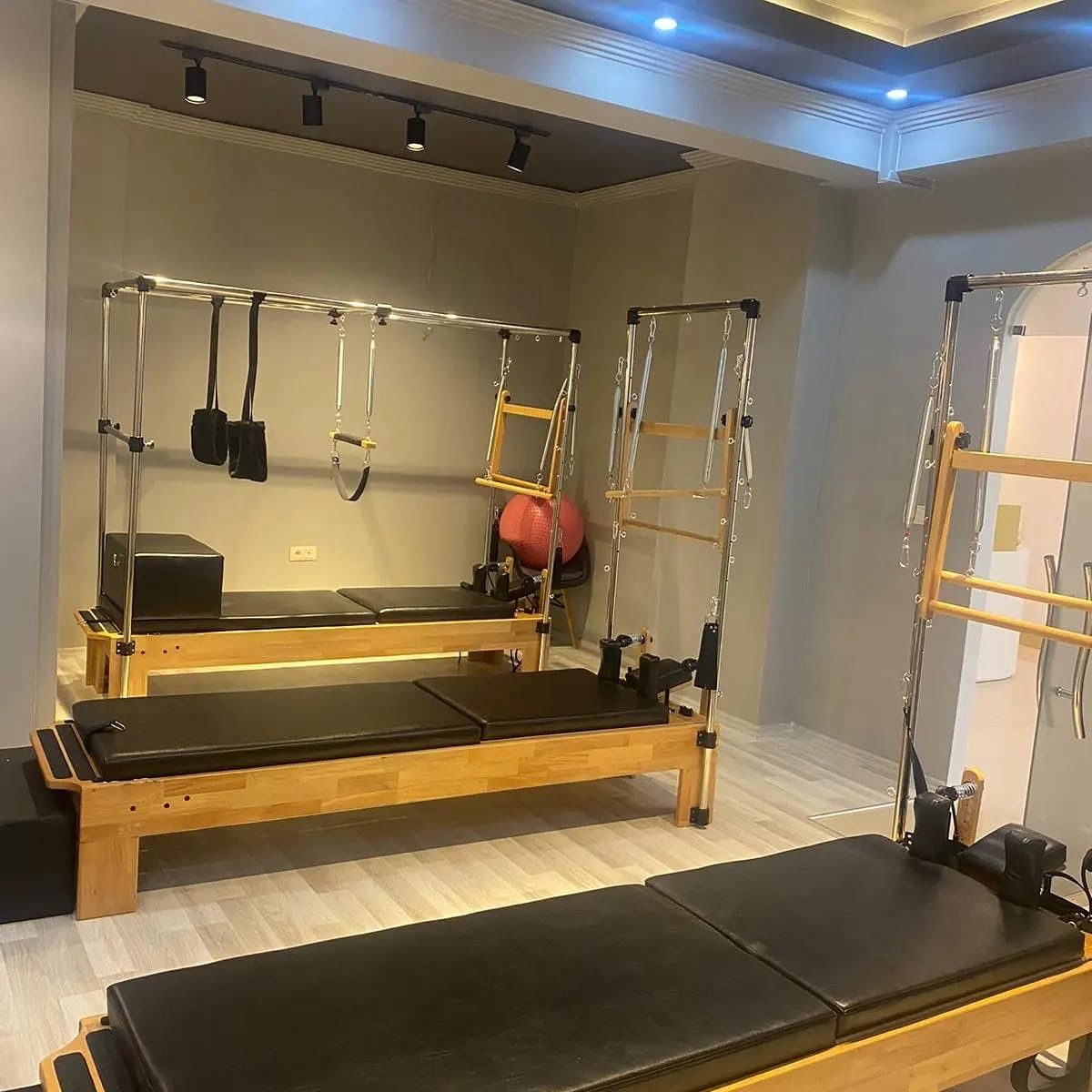
Quick Decision Guide: Which Reformer Model Suits You?
For the acute phase (the first 6 weeks) and cases under conservative treatment, the Basic Reformer offers a sufficient safety margin. Movements performed on the horizontal plane make it easier to keep the spine in a neutral position and minimise anterior-posterior shear forces on the disc.
For the subacute phase (6–12 weeks) and cases moving into progressive loading, the Tower Reformer is ideal. The vertical working attachments on the tower allow load to be increased gradually and enable multiplanar movement control. This structure is particularly useful for transitioning patients with sciatic pain from horizontal-plane work to upright positions.
For advanced cases involving chronic low back pain, multi-segmental pathology or postural dysfunction, the Cadillac Reformer is the optimal choice. Its cage structure allows freedom of movement in every direction and is indispensable for treating integrative fascial chains. It also lets studio owners offer both rehabilitation sessions and advanced group classes.
| Feature | Basic Reformer | Tower Reformer | Cadillac Reformer |
|---|---|---|---|
| Price | See the current price on the product page | See the current price on the product page | See the current price on the product page |
| Tower/Cage Structure | None | Single-side tower (304 chrome steel) | Full cage (360° working range) |
| Suitability for Herniated Discs | Acute phase, horizontal work | Subacute–chronic, progressive loading | Chronic, complex cases |
| Working Plane | Horizontal (sagittal/transverse) | Horizontal + vertical (frontal plane added) | 360° all planes |
| Set Contents | Box + Jump Board | Box + Jump Board | Box + Jump Board |
| Spring System | 5 springs (yellow–black) | 5 springs (yellow–black) | 5 springs (yellow–black) |
| Wheel System | 8 wheels (16 bearings) | 8 wheels (16 bearings) | 8 wheels (16 bearings) |
| Warranty | 2-year parts warranty | 2-year parts warranty | 2-year parts warranty |
The Biomechanics of Herniated Discs and Their Relationship with Reformer Pilates
Lumbar disc herniation occurs when the annulus fibrosus tears and the nucleus pulposus shifts posteriorly or posterolaterally. This puts mechanical pressure on the spinal nerve root and triggers an inflammatory process. Treatment prioritises two fundamental biomechanical principles: first, reducing intraspinal pressure, and second, retraining the deep stabiliser muscles (multifidus, transversus abdominis, lumbar erector spinae).
In traditional mat Pilates work, gravitational resistance is fixed and uncontrollable. For example, during a "roll up", when the lumbar flexion moment peaks (at around 45° of trunk elevation), the anteroposterior shear force on the disc can reach 300–400 newtons — a dangerous loading level for a patient with an acute herniation.
By contrast, when the same movement pattern is performed on a pilates reformer, the spring system provides eccentric support and controls the speed of the movement. During the footwork series in particular, the force vector applied as the legs push away minimises axial spinal loading while isolating work on the hamstrings and glutes. This mechanism helps preserve lumbar lordosis and reduce load on the posterior disc.
The Importance of Neutral Spine Position
One of the most critical concepts in herniated disc rehabilitation is the "neutral spine". This is the position in which the anterior superior iliac spine (ASIS) and pubis lie in the same frontal plane, with lumbar lordosis gently preserved. The horizontal working plane of a reformer makes it easier to maintain this neutral position. In movements performed in the supine position — such as leg circles, single leg stretch and coordination — the stable support surface of the carriage prevents the pelvis from tilting anteriorly or posteriorly.
The tower structure found on Tower and Cadillac models provides additional strategies for maintaining a neutral spine during vertical-plane work. For example, in standing "leg springs" work, holding onto the tower bars with the upper body increases trunk stabilisation and reduces lumbar compensation during lower-limb movements.
Basic Reformer and Herniated Discs: A Safe Choice for the Early Stage
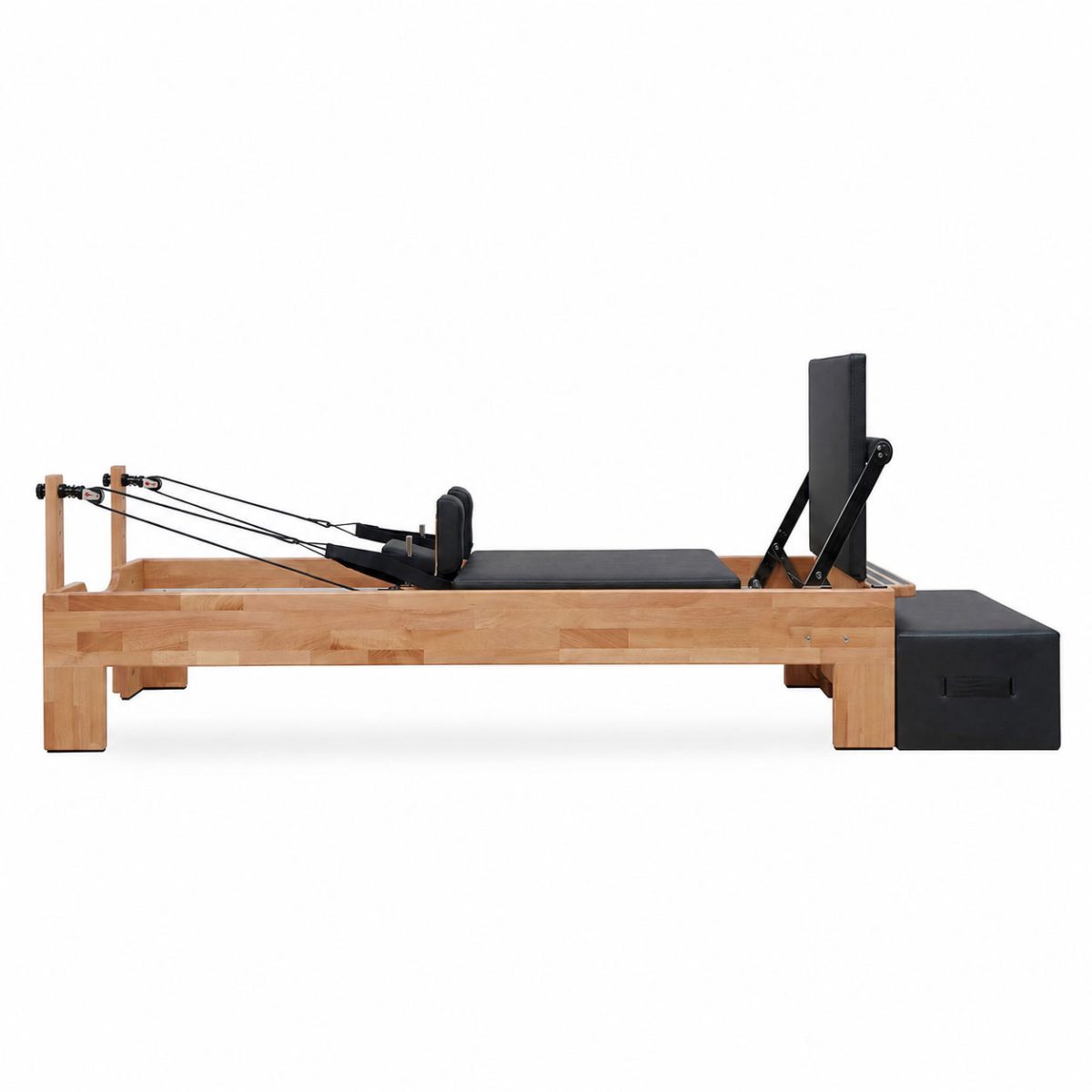
For patients with an acute herniated disc, a pain score above 7/10 and limited functional capacity, treatment protocols typically begin with low-intensity, controlled, horizontal-plane movements for the first 6–8 weeks. During this period, the Basic Reformer is a sufficient and safe Pilates machine. Vertical tower work is not yet indicated at this stage, since the extra gravitational loading increases intradiscal pressure.
The Basic Reformer's design includes several features that enhance lumbar safety. First, its 4-position footbar lets foot placement be adjusted according to the patient's hamstring flexibility; for a patient with tight hamstrings, keeping the footbar at the highest position reduces the risk of posterior pelvic tilt. Second, its frame — built from grade-1 solid beech wood — weighs around 250 kg, which prevents any rocking or sliding during movement. Rocking disrupts proprioceptive feedback and triggers reflexive protective muscle contractions, leading to excessive activation of the lumbar muscles.
Acute Phase Protocol: Which Movements Are Safe?
Recommended starting exercises on the Basic Reformer for patients in the acute phase of a herniated disc include:
Footwork series: Slow, controlled push-and-return movements in a parallel foot position, starting with the yellow spring. This work minimises activation of the lumbar flexors while engaging the lower-limb muscle pump and boosting venous return — particularly useful for patients with leg oedema.
Pelvic clock: Small-amplitude clockwise and counter-clockwise pelvic movements in the supine position, feet resting on the footbar. This exercise improves micromobility of the lumbar segments and stimulates proprioception. Movement amplitude should be limited to 5–10 degrees.
Supine arm series: Upper-body movements while the lower body stays fixed. This increases trunk stabilisation and activates the scapular muscles, preparing the body for later thoracic extension mobilisation work.
It's important that no lumbar flexion occurs during this period — movements such as "hundred" or "short spine" are contraindicated at this stage. Also, since the Basic Reformer has no tower, it naturally prevents the patient from taking on risky positions on the vertical plane.
The Clinical Importance of Material Quality
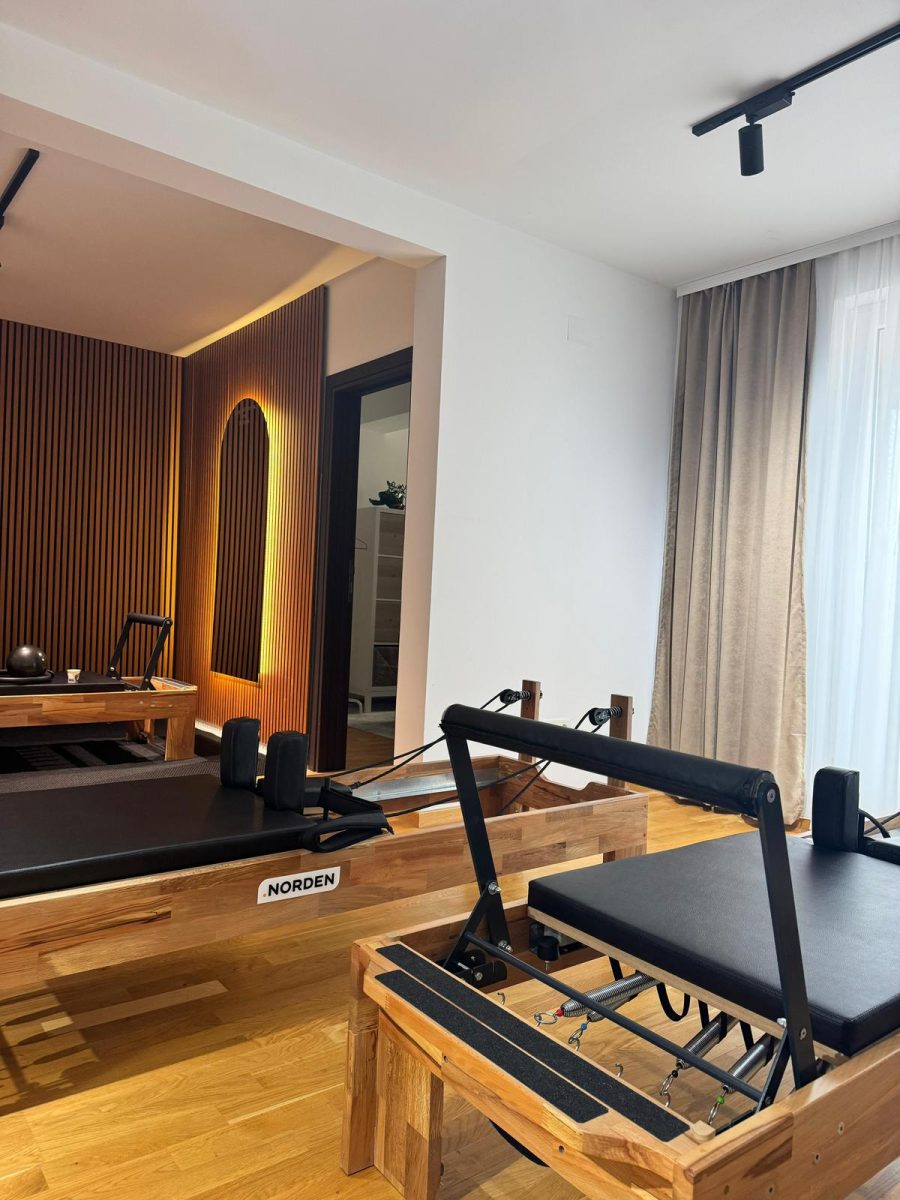
The grade-1 solid beech wood used in the Basic Reformer isn't merely an aesthetic choice — it's a biomechanical necessity. Beech has a density of around 650–700 kg/m³, which allows it to absorb the dynamic forces generated during movement. Cheaper reformers made from MDF or plywood lack this energy absorption, resulting in abrupt stops at the end of movement that create shock loading on the lumbar segments.
The four-layer specialist matte lacquer finish protects against sweat damage. While hygiene matters — especially combined with antibacterial upholstery — the more critical point is that the lacquered surface reduces the coefficient of friction. This makes it easier to slide hands or the back along the surface during movement, preventing skin friction injuries.
Tower Reformer: Ideal Structure for Progressive Rehabilitation
By the subacute phase (6–12 weeks), the pain score is assumed to have dropped below 4/10, and the patient is assumed to have gained basic stabilisation control. At this stage, the treatment protocol involves transitioning from horizontal-plane work to upright-plane work and multiplanar movement control. The Tower Reformer preserves all the safety features of the Basic Reformer while adding vertical working options.
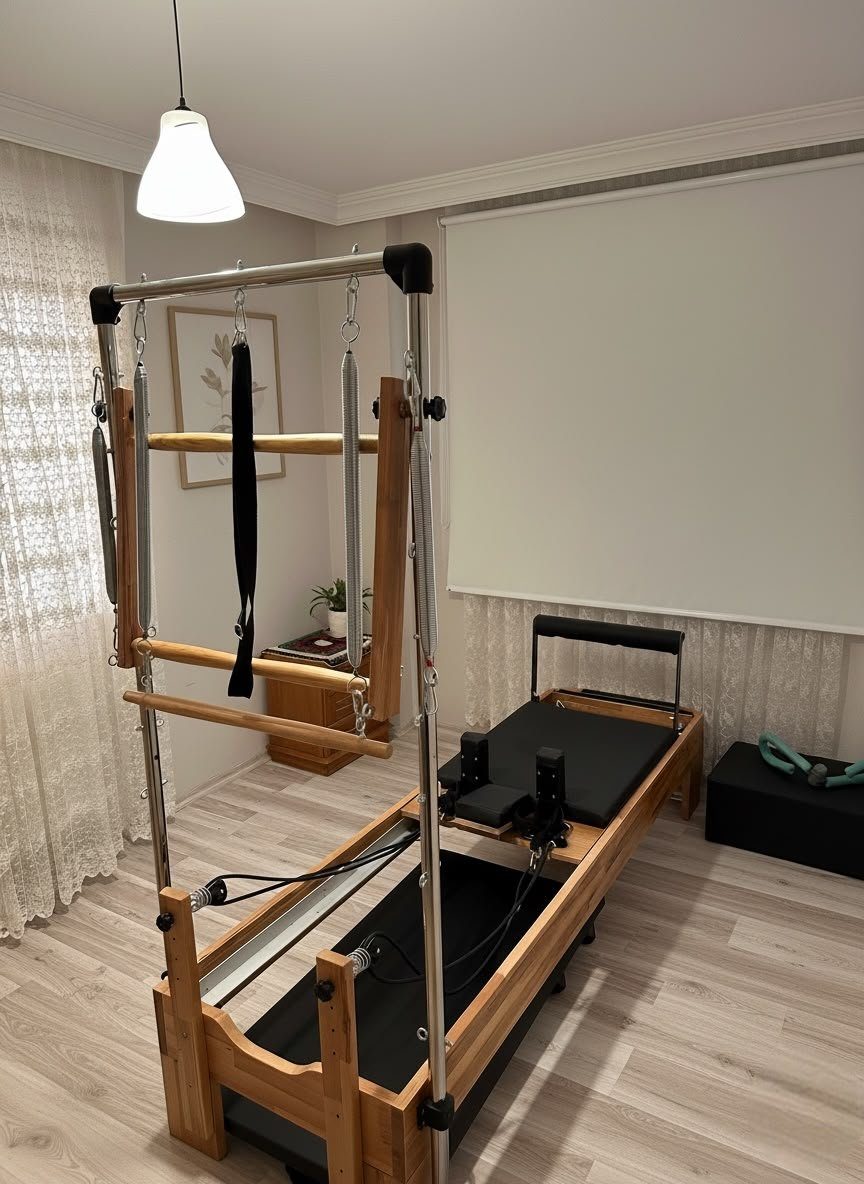
The Tower Reformer's most distinctive feature is its single-side 304 chrome steel tower structure. This tower stands 190 cm tall and features spring attachment points at varying heights. With the tower, patients can perform leg springs in the supine position, arm work while seated, and roll-down bar work while standing. Each working plane requires a different motor control strategy, enabling multiplanar adaptation in herniated disc rehabilitation.
Subacute Phase Protocol: Gradual Loading
The recommended progressive programme on the Tower Reformer for patients in the subacute phase of a herniated disc includes the following stages:
Leg springs (supine): Forward-backward, inward-outward and crossing leg movements, with springs attached to the feet while lying on the back. This work lengthens the iliopsoas and rectus femoris while teaching pelvic stabilisation — especially effective for patients prone to anterior pelvic tilt (lumbar hyperlordosis).
Roll-down bar: Standing with hands on the bar, the trunk slowly rolls forward (spinal flexion). This movement teaches controlled lumbar flexion using the "segmental articulation" principle, where each vertebra flexes one at a time. This balances the anterior-posterior pressure distribution within the intervertebral disc and reduces load on the posterior annulus fibrosus.
Standing arm work: Push-and-pull upper-body movements using the tower springs while standing. This improves thoracic extension mobility and develops dissociation between the lumbar and thoracic spine, helping correct the thoracic hypoextension compensation often seen in herniated disc patients.
The biggest advantage of the Tower Reformer is that the patient doesn't need to change equipment as rehabilitation progresses. A patient who starts on a Basic Reformer and needs tower work 8–10 weeks later would have to buy new equipment. The Tower Reformer, on the other hand, offers both horizontal and vertical working options right from the start.
Engineering Analysis of the Tower Structure
The 304 chrome steel tower structure on the Tower Reformer is made from stainless steel manufactured to the AISI (American Iron and Steel Institute) standard. This material contains 18% chromium and 8% nickel, giving it extremely high corrosion resistance. This is particularly valuable in studios with heavy sweat exposure or humid home environments, where chrome-plated structures offer long-term durability.
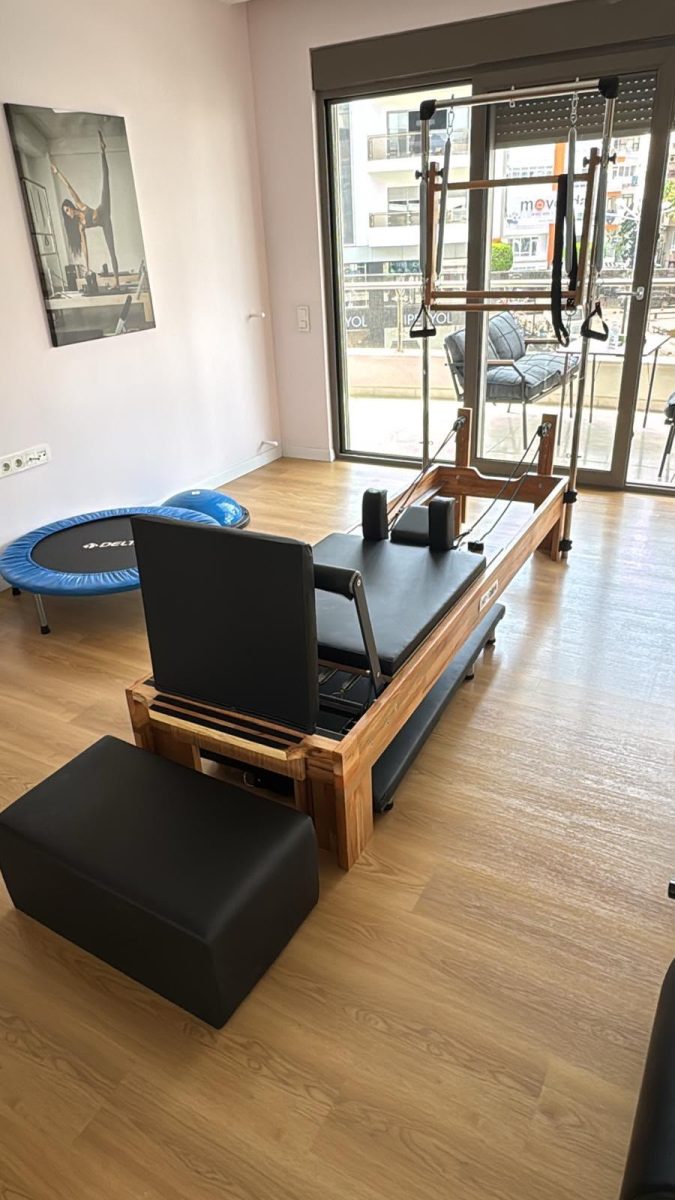
The 190 cm tower height is optimised for average human height, allowing both shorter (around 160 cm) and taller (around 190 cm) users to work comfortably. The spring attachment points can be changed every 10 cm, allowing precise adjustment of the lever arm length and therefore the load moment.
The sturdiness of the tower is verified through dynamic loading tests. The Tower Reformer shows no flexing or wobbling even when a simultaneous load of 150 kg is applied to the tower points (for example, if two people perform leg springs work at the same time). This rigidity is critical for clinical safety, because when patients don't feel secure, reflexive muscle contractions increase, which raises lumbar load.
Cadillac Reformer: The Gold Standard for Complex Cases
Patients with chronic low back pain (symptoms lasting longer than 12 weeks), multi-level disc degeneration, spondylolysis or spinal stenosis may not respond fully to standard rehabilitation protocols. For these cases, the Cadillac Reformer offers the widest range of options, both diagnostically and therapeutically.
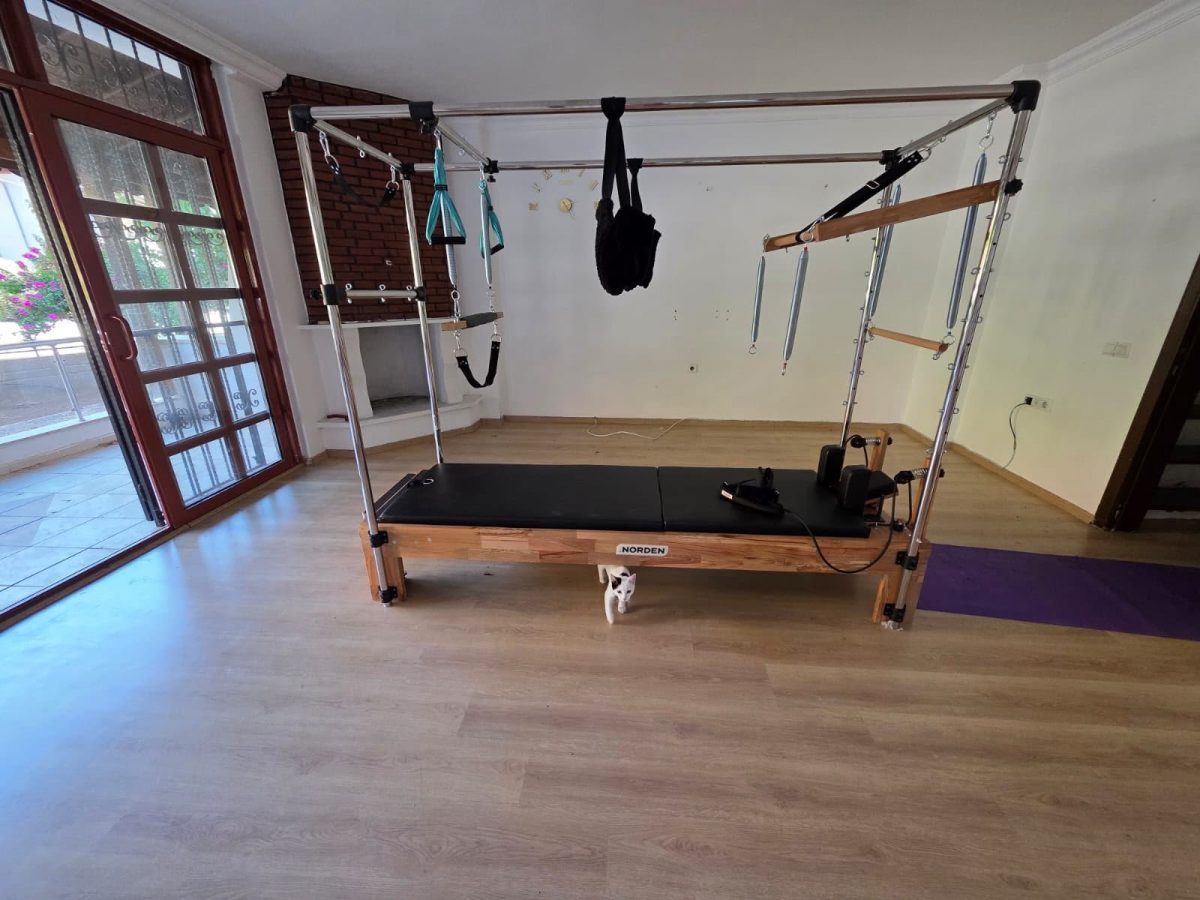
The Cadillac Reformer's defining feature is its full cage structure. While the Tower Reformer has a tower on only one side, the Cadillac has a cage system that surrounds the patient 360 degrees. Numerous accessories can be attached to this cage, including horizontal bars, trapeze attachments, leg springs, arm springs, push-through bar and roll-back bar — allowing hundreds of movement combinations on a single piece of equipment.
The Cadillac's Role in Complex Cases
One common issue in chronic herniated disc patients is adaptive shortening of the fascial chains. For example, a patient who spends long periods in anterior pelvic tilt will develop a shortened anterior fascial line (rectus abdominis, pectoralis major, sternocleidomastoid chain) and a lengthened posterior fascial line (erector spinae, hamstrings, gastrocnemius chain). This imbalance creates chronic compression at the lumbar segments.
"Hanging" exercises performed on the Cadillac Reformer provide axial decompression. While suspended from the trapeze bar, the spacing between spinal segments increases and intradiscal pressure decreases. This creates an effect similar to traction, but with the patient's active muscular control preserved. Trunk rotation or lateral flexion movements performed in this suspended position also facilitate fascial release.
Push-through bar work plays a critical role in safely teaching lumbar extension. With the patient supine and feet pressed against the push-through bar, the pelvis is lifted into a bridge position. During this movement, the gluteus maximus and hamstrings reach maximal activation while the lumbar erector spinae remains minimally active — teaching the "hip hinge" mechanism and preventing lumbar hyperlordosis compensation.
The Economic Logic of the Cadillac for Studio Owners
If you're a physiotherapist or Pilates instructor setting up a studio, choosing a Cadillac reformer may look like a bigger initial investment, but it's the most rational choice in the medium to long term. The Cadillac Reformer can serve both rehabilitation patients and advanced athletes or healthy individuals — for example, working with herniated disc patients in the mornings and running advanced group classes in the evenings.
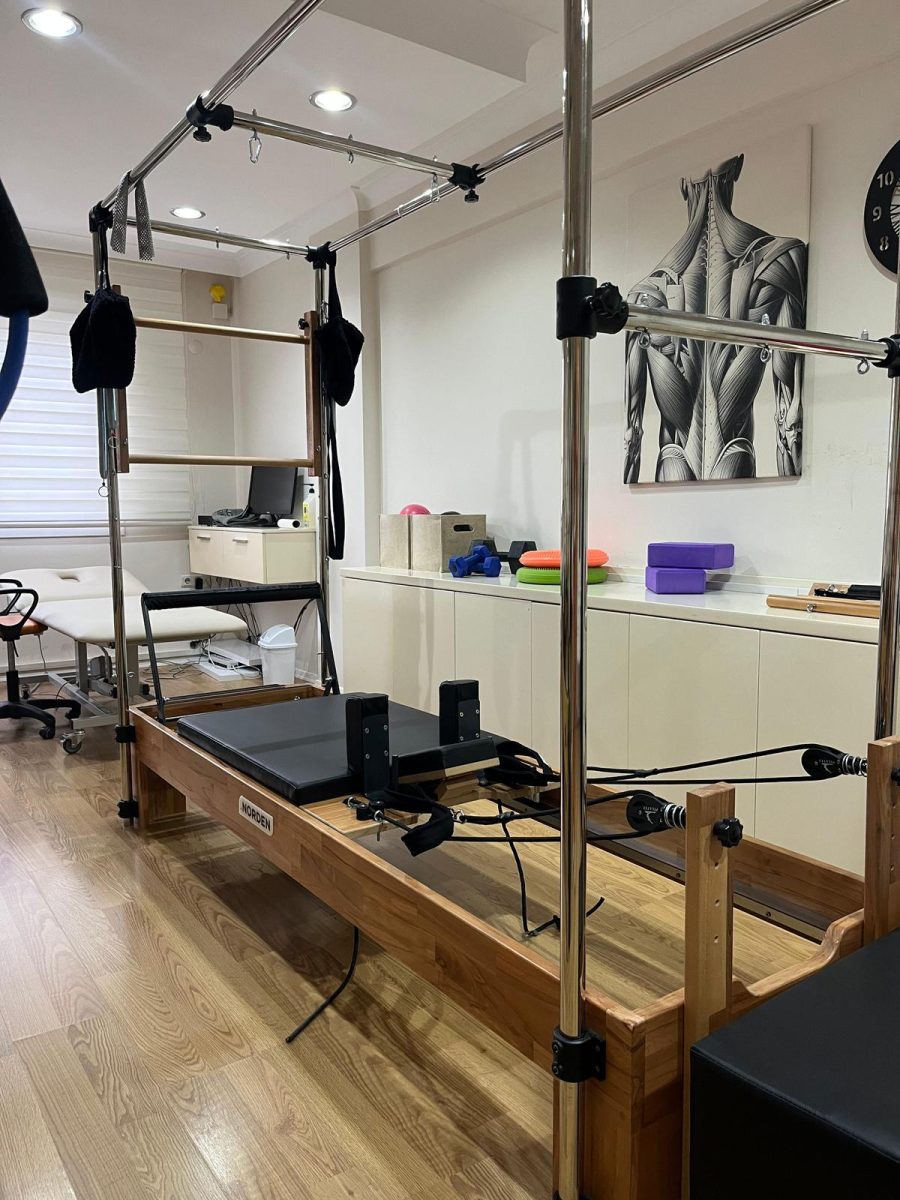
The price gap between the Tower Reformer and the Cadillac Reformer is modest — see the current prices on the product pages for an exact comparison — and it can typically be recovered after just 8–10 additional sessions. The Cadillac's broader range of movement also means you can reasonably charge 15–20% more for private sessions, as clients perceive they're receiving a more complex, personalised service.
Logistically, setting up the Cadillac Reformer is straightforward too. The carriage arrives pre-assembled, and only the tower section (the cage) needs to be bolted on. Video-guided support is provided for assembly, which typically takes 20–30 minutes. Delivery, taxes and duties are included in the price, and the machine ships fully assembled.
The Spring System and the Physiology of Resistance Levels
All Norden Reformer models use a 5-spring carrier board system consisting of yellow (lightest), blue, green, red and black (heaviest) springs. These springs provide a non-linear resistance profile — as the spring stretches further, resistance increases proportionally (Hooke's Law: F = k × x). This feature enables isokinetic control during isotonic muscle contractions.
Spring choice in herniated disc rehabilitation is based on the patient's muscle strength and pain tolerance. In the acute phase, only the yellow spring is used, since its low resistance (10–15 newtons) prevents excessive activation of the lumbar extensors. In the subacute phase, a yellow + blue combination is used, raising resistance to 20–25 newtons. In the chronic phase, a yellow + blue + green combination allows work at 30–40 newtons of resistance.
Eccentric Control and Neuromuscular Retraining
The reformer's most distinctive feature is its control of the eccentric phase. For example, during the footwork series, the quadriceps are active as the legs push the footbar away (concentric phase). As the carriage returns (eccentric phase), however, the quadriceps take on a braking role, generating 30–40% more contractile force than in the concentric phase. This mechanism enhances proprioceptive feedback to the deep stabiliser muscles.
One common issue in herniated disc patients is atrophy of the multifidus muscle. The multifidus originates at the spinous process of each lumbar vertebra and attaches to the transverse process of a vertebra 2–4 segments below. This muscle is responsible for segmental stabilisation and atrophies within 24–48 hours of disc herniation. The eccentric control work done on a reformer helps reactivate the multifidus muscle.
Studies have shown that an 8-week reformer Pilates programme increases the cross-sectional area of the lumbar multifidus by an average of 12–18% (measured by MRI). This increase isn't simply due to muscle hypertrophy, but also to reorganisation of the motor unit recruitment pattern — in other words, the brain "re-learns" to activate the multifidus automatically during functional movements.
The Wheel System and the Clinical Benefit of 16 Bearings
The 8-wheel system used on Norden Reformer machines contains 2 bearings per wheel, for a total of 16 bearings. These are ABEC 7-grade precision bearings with a friction coefficient of around 0.002. This low friction allows the carriage to glide extremely smoothly, enabling the patient to initiate movement with minimal force.
Patients with acute herniated discs typically have 30–40% less muscle strength than a healthy population. Working on a high-friction surface in this state can lead to compensatory movement patterns — for example, if there's excessive friction as the carriage returns during footwork, the patient may recruit the lumbar flexors (iliopsoas, rectus abdominis), increasing anterior-posterior shear force on the disc.
With the 16-bearing system, by contrast, movement is so smooth that the patient can complete the exercise using only the target muscle groups. This aligns with the "specific adaptation" principle in motor learning theory: the brain deactivates unnecessary muscles and activates only the motor units required for the task, increasing isolated activation of the lumbar stabiliser muscles.
Quiet Operation and Psychosocial Factors
Central sensitisation plays an important role in chronic pain physiology. Repeated pain signals increase the sensitivity of dorsal horn neurons in the spinal cord, eventually causing even normally non-painful stimuli to be perceived as painful (allodynia). In this process, the quality of sensory input is critical. Working on noisy, clattering equipment raises a patient's anxiety levels and activates the sympathetic nervous system.
The quiet bearing system on Norden Reformer machines minimises this psychosocial factor. The only sound produced during movement is the faint stretching of the springs, at around 35–40 decibels (normal conversation is around 60 decibels). This quiet working environment increases proprioceptive awareness, as attention shifts from external stimuli to internal cues such as muscle tension and joint position.
Footbar and Gearbar Adjustability
The footbar is one of the most frequently used components of a reformer, and its 4-position adjustment accommodates users of different heights and flexibility levels. In herniated disc patients, footbar position is set based on hamstring flexibility and pelvic tilt angle. For a patient with tight hamstrings, the footbar is set to its highest position, reducing knee flexion angle and lowering the risk of posterior pelvic tilt.
The gearbar, meanwhile, changes the attachment point of the spring resistance, adjusting the lever arm length. Its 3-position system is optimised for beginner, intermediate and advanced users. For patients in the acute phase of a herniated disc, the closest gearbar position is used, since spring tension begins earlier and range of motion stays limited. In later stages, the furthest gearbar position is preferred to allow full range of motion.
The Stopper System and Safety Margin
The stopper system acts as a mechanical barrier that limits the carriage's backward travel. For herniated disc patients in particular, keeping range of motion under control is essential. For example, when a patient pulls the carriage all the way back during footwork, lumbar flexion moment peaks. The stopper system halts carriage movement 5–10 cm before this point, keeping the lumbar flexion angle limited to 30–40 degrees.
The adjustability of the stopper position matters for progressive rehabilitation. In the early weeks, the stopper is set to its closest position, keeping range of motion minimal. As the patient's pain decreases and stabilisation control improves, the stopper is gradually moved further back. This method follows the "graded exposure" approach, a well-evidenced strategy in chronic pain treatment.
Upholstery Quality: Grade-1 Antibacterial Synthetic Leather
All contact surfaces on the reformer (carriage, shoulder rests, headrest, footbar pads) are covered with grade-1 antibacterial synthetic leather. This material is based on medical-grade polyurethane (PU) and contains silver ion technology. Silver ions break down the cell walls of bacteria and fungi, providing antimicrobial protection.
Herniated disc patients typically require long-term physiotherapy sessions, making equipment hygiene critical for infection control. After sessions involving heavy sweating, non-antibacterial upholstery can develop bacterial colonisation, forming biofilm within 48–72 hours. Norden Reformer upholstery blocks biofilm formation by around 99%.
Postural Support: Headrest and Shoulder Rest Design
The headrest is designed with a 15-degree tilt to maintain the neutral position of the cervical spine. This angle helps preserve cervical lordosis in the supine position and prevents excessive stretching of the suboccipital muscles (rectus capitis posterior minor/major). Given how often cervical disc pathologies accompany herniated discs, headrest design is not just a matter of comfort but a therapeutic necessity.
The shoulder rests are fixed and anatomically shaped to minimise pressure on the thoracic outlet region. During upper-body work in particular, when shoulder depression is required, the shoulder rests support the inferior angle of the scapula, preventing compensatory activation of the upper trapezius fibres. This detail plays an important role in developing lumbar-thoracic dissociation in herniated disc patients with thoracic hypoextension. Only the headrest is adjustable, with 3 positions.
Price-Performance Analysis and Return on Investment
Price is often a deciding factor when choosing a reformer, especially for individual users and newly opened studios. Norden Reformer's pricing strategy balances quality and cost. The Basic Reformer is the most economical option and offers everything needed for acute-phase herniated disc patients. The Tower Reformer costs only a little more, a difference that covers the vertical working capability needed in the subacute phase — see the current prices on the product pages for details.
The Cadillac Reformer is the highest-priced model, but given its versatility, it offers the best cost-effectiveness ratio. As a studio owner, buying a Cadillac Reformer effectively combines the functions of several pieces of equipment into one product. Buying a separate trapeze table, reformer and tower individually would require a significantly larger investment.
Payment Options
For current offers and payment options, please check the product pages directly, as these are updated regularly.
Delivery, taxes and duties are included in the price, and machines ship fully assembled via specialist freight carriers right to your door. This is essential for transporting large, heavy equipment safely, since standard couriers often cannot handle a machine weighing around 250 kg without risk of damage.
Production Process and Logistics Planning
Norden Reformer machines are produced within 9 business days of ordering. This timeframe covers the processing of solid beech wood, application of lacquer coats, assembly of metal components, and quality control testing. Nine business days is notably fast for the industry, as imported equipment can often take 6–8 weeks.
After production, the equipment is packaged with the carriage pre-assembled. On the Tower and Cadillac models, the tower section arrives in a separate package and is attached to the carriage by the customer. Assembly is shown step by step with video support and takes around 20–30 minutes on average. No professional assembly crew is needed, as all screw and connection points are pre-marked.
Warranty Coverage and Spare Parts Support
All Norden Reformer machines come with a 2-year parts warranty, covering components that wear out over time, such as springs, bearings and upholstery. For busy studios, this warranty makes operating costs more predictable. On average, a reformer used for 8–10 sessions a day in a studio may need a spring replacement after 18–24 months, and the warranty covers this.
Spare parts are typically supplied within 3–5 business days through our logistics network. This speed matters for studio owners, since equipment downtime means lost revenue. With imported brands, spare parts can take 4–6 weeks to arrive, leaving equipment out of use for extended periods.
Scientific Foundations: Clinical Research on Reformer Pilates and Herniated Discs
The effectiveness of reformer Pilates in treating herniated discs is supported by numerous randomised controlled trials. A meta-analysis published in the Journal of Orthopaedic & Sports Physical Therapy found that an 8-week reformer Pilates programme reduced pain scores by an average of 45% and increased functional capacity by 38% in patients with lumbar disc herniation.
In another study, lumbar multifidus cross-sectional area measured by MRI increased by 16% in the reformer Pilates group, with no change in the control group — evidence that reformer Pilates is effective at reactivating the segmental stabiliser muscles.
Electromyography (EMG) studies have shown that activation of the lumbar erector spinae muscles during reformer Pilates is 30–40% lower than during the same movements performed on a mat. This difference is explained by the eccentric support provided by the spring resistance system, which reduces lumbar compensation. Low lumbar activation is a particularly important safety factor for patients with acute herniated discs.
Proprioception and Motor Control Adaptations
Proprioception — awareness of joint position and movement speed — plays a fundamental role in lumbar stabilisation. After a disc herniation, the function of mechanoreceptors in the lumbar segments is impaired, reducing proprioceptive acuity. The moving carriage of a reformer provides continuous proprioceptive stimulation, as the patient must constantly make micro-adjustments to maintain balance.
Feed-forward motor control refers to the activation of stabiliser muscles before a movement begins. In healthy individuals, the transversus abdominis activates around 30 milliseconds before an arm-raising movement. In herniated disc patients, this delay can stretch to 150–200 milliseconds or fail to occur at all. Reformer Pilates work helps retrain this feed-forward mechanism, with activation timing typically returning to normal after 8 weeks.
Frequently Asked Questions: Herniated Discs and Reformer Pilates
1. I've been diagnosed with an acute herniated disc — when can I start reformer Pilates?
Complete rest is recommended during the acute phase (the first 48–72 hours). Once pain drops below 7/10 and you have your doctor's approval, light horizontal-plane work can begin. A footwork series with yellow spring resistance on the Basic Reformer is usually tolerated within 3–5 days. The key is to avoid provoking pain and to ensure your pain score doesn't increase after each session.
2. Which is better for a herniated disc — the Tower Reformer or the Cadillac Reformer?
The answer depends on the stage of the herniation and any accompanying conditions. If there's a single-level disc herniation with no comorbidities, the Tower Reformer is sufficient. If there's multi-level degeneration, spinal stenosis, or piriformis syndrome accompanying sciatic pain, the Cadillac Reformer's wider range of movement offers an advantage. If you're a studio owner working with a varied patient profile, the Cadillac Reformer is the better long-term investment.
3. Will reformer Pilates make my back pain worse?
With the right movement choices and appropriate resistance settings, reformer Pilates doesn't worsen back pain — it helps reduce it. However, poor form (such as performing footwork with lumbar hyperlordosis) or excessive resistance can provoke pain. For this reason, working under the supervision of a certified clinical Pilates instructor or physiotherapist is essential, especially during the first 4–6 weeks. If you're buying equipment for home use, our guide to choosing a reformer for physiotherapists is a useful read.
4. How long does it take for reformer Pilates to help a herniated disc heal?
Clinical studies show that a reformer Pilates programme done 2–3 times a week leads to meaningful improvement within 8–12 weeks, although this varies based on the size of the herniation, the patient's age and overall health. A 20–30% reduction in pain score is typically expected within the first 2–3 weeks. By week 8, functional capacity tests (such as the Oswestry Disability Index) often show 40–50% improvement. Full recovery can take 6–12 months.
5. Which reformer movements should I avoid after a herniated disc?
For the first 12 weeks, avoid movements involving more than 60 degrees of lumbar flexion (such as full roll up or teaser). Movements requiring rotational loading (such as mermaid with heavy spring resistance) are also contraindicated during this period. Asymmetric loading (single-leg work) should be limited for the first 6 weeks, with bilateral movements preferred instead. Jump Board work should be postponed for at least 16–20 weeks, as plyometric loading creates shock waves through the disc.
Conclusion: Choosing a Reformer for Herniated Disc Rehabilitation Is a Strategic Decision
Equipment choice directly affects the success of herniated disc rehabilitation. The wrong equipment or poor-quality materials can prolong rehabilitation or even worsen symptoms. Norden Reformer models — with engineering features such as grade-1 solid beech wood, 304 chrome steel towers, a quiet 16-bearing system and antibacterial upholstery — deliver both clinical safety and long-term durability.
The Basic Reformer is an ideal starting point for the acute phase and for budget-conscious buyers, offering safe, effective horizontal-plane work. The Tower Reformer is the most rational choice for patients needing progressive rehabilitation during the subacute phase, adding vertical working capability for only a modest extra investment and removing the need to upgrade equipment later. The Cadillac Reformer is the gold standard for complex cases, multiple pathologies and professional studio use, effectively combining the functions of 3–4 different pieces of equipment into one.
The Box and Jump Board that come as standard with every model add variety as rehabilitation progresses. A fast 9-business-day production process, together with delivery, taxes and duties included in the price, ensures your equipment is ready to use as quickly as possible. A 2-year parts warranty provides long-term investment security.
If you want to work with the right equipment during herniated disc treatment and protect your spine health in the long run, don't compromise on quality or clinical safety. Browse our reformer Pilates price comparison guide to find the model that's right for you, or get in touch with our expert team for personalised advice. Remember, your spine health is an investment — and making that investment with the right equipment is what guarantees your future quality of life.


