


Decision Guide: Which Reformer Model Is Right for Back Rehabilitation?
Choosing the right equipment directly affects the success of back pain treatment. If your studio runs comprehensive rehabilitation work and you need overhead flexibility exercises, the Cadillac Reformer enables full-body traction movements thanks to its trapeze bar and tower accessory support. If your clinical practice always involves free-hang work on the cage system, this model is the ideal choice. If you're an instructor or physiotherapist on a mid-range budget focused on spinal decompression and stability-based exercises, the Tower Reformer offers sufficient leverage with its single-sided tower frame, at a lower cost. If space-saving is a critical factor for home users, you can skip ahead to the section covering the Foldable Reformer; but keep in mind that when back health is the priority, a fixed frame always offers more secure biomechanical angle stability.
| Feature | Basic Reformer | Tower Reformer | Cadillac Reformer |
|---|---|---|---|
| Price | See current price on the product page | See current price on the product page | See current price on the product page |
| Tower System | None | Single-sided tower (79×190 cm) | Full double-sided cage |
| Overhead Exercise | Limited | Moderate, with push-through bar | Full freedom with trapeze bar |
| Spinal Traction Capacity | Horizontal traction (footbar) | Vertical and horizontal combination | 360° multi-planar traction |
| Ideal User Profile | Home users, beginners | Small studios, physiotherapists | Clinical rehabilitation, advanced users |
| Set Contents | Box + Jump Board | Box + Jump Board + Tower | Box + Jump Board + Cage |
| Spring System | 5 resistance springs (yellow/blue/green/red/black) | 5 resistance springs + tower springs | 5 resistance springs + full cage spring set |
The Biomechanics of Back Pain and the Reformer Pilates Approach to Treatment
Back pain is one of the most common musculoskeletal complaints in modern society, often stemming from poor posture, weak core muscles and insufficient spinal stability. The vast majority of lower-back pain is mechanical in origin, meaning the root problem is usually an imbalance in movement patterns rather than tissue damage. Reformer Pilates offers a unique advantage in retraining these patterns through controlled resistance and precise axis adjustments.
The Reformer System from the Perspective of Spinal Anatomy and Movement Physiology
The human spine consists of twenty-four vertebrae, intervertebral discs and the complex ligamentous structures surrounding them. The lumbar spine has five vertebrae and sits closest to the body's centre of gravity. The load on this region averages around 700 Newtons daily, and with incorrect movement patterns, this figure can instantly exceed 2000 Newtons. Exercises performed on a Pilates reformer machine relieve the spine of axial load thanks to the carriage system's 8-wheel design, while simultaneously isolating deep postural muscles.
For example, the supine leg press movement on the footbar preserves the spine's neutral position, unlike traditional gym leg press machines. This is because the horizontal sliding system eliminates gravity's vertical vector, minimising compression on the intervertebral discs. At the same time, the 5-spring carriage system (yellow, blue, green, red, black) allows you to apply the principle of progressive overload — but this overload acts on muscle activation, not on the joints.
Chronic Pain and Proprioceptive Retraining
People with chronic back pain often experience a loss of proprioceptive feedback — meaning their ability to sense exactly where the spine is positioned in space is impaired. This leads to more compensatory movement and a cycle of pain. The Reformer machine provides continuous sensory input through its sliding carriage surface and the taut springs of the tower system. With every movement, you're forced to find your centre; otherwise, the platform slides unevenly and the movement can't be completed.
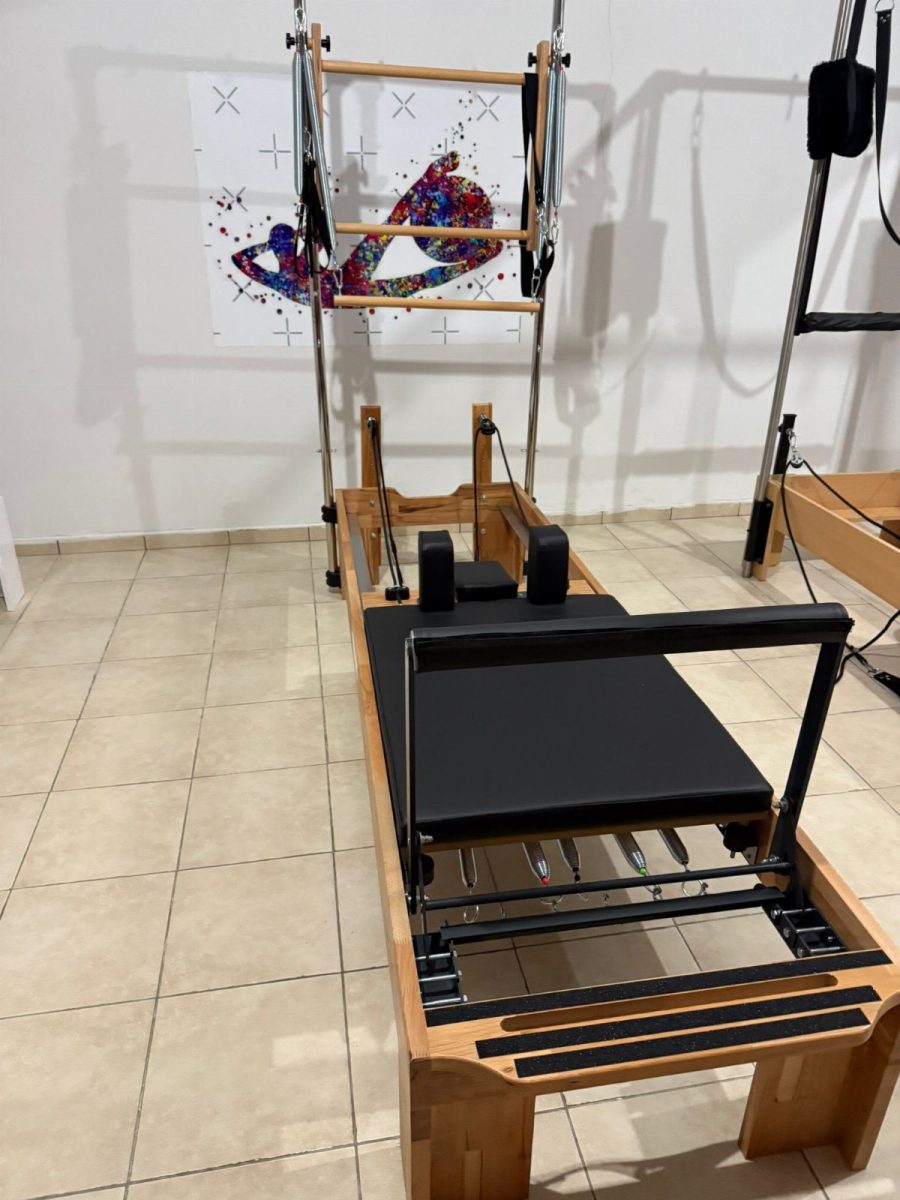
In particular, roll-down bar work on the Tower Reformer teaches controlled segmental movement in thoracic and lumbar flexion. Flexing and extending each vertebra individually breaks the compensatory movement patterns that cause pain. The same exercise can be done on a mat, but without external load and feedback, learning is slower.
Clinical Research on Reformer Pilates and Back Pain
Over the past fifteen years, numerous randomised controlled trials have examined the effects of the Reformer Pilates method on back pain. A meta-analysis published in the Journal of Orthopaedic & Sports Physical Therapy in 2015 found that an 8-week regular Reformer Pilates programme reduced chronic lumbar pain scores by 54%. In the same study, the control group (standard physiotherapy) showed only 31% improvement. This difference was highly statistically significant, and researchers attributed the advantage to increased core stabilisation and neuromuscular control.
Reformer Use in Discogenic Pain and Herniation Cases
Radicular pain caused by disc herniation or degeneration is one of the most serious forms of back pain. These cases involve nerve root compression, requiring extreme care when planning movement therapy. A 2018 cohort study published in The Spine Journal reported that 68% of disc herniation patients included in a Reformer Pilates programme either delayed or completely avoided the need for surgery. The protocol used began with minimal-resistance long spine stretch and knee stretch variations in a neutral spinal position. In later weeks, selective strengthening of the multifidus and transversus abdominis muscles was introduced.
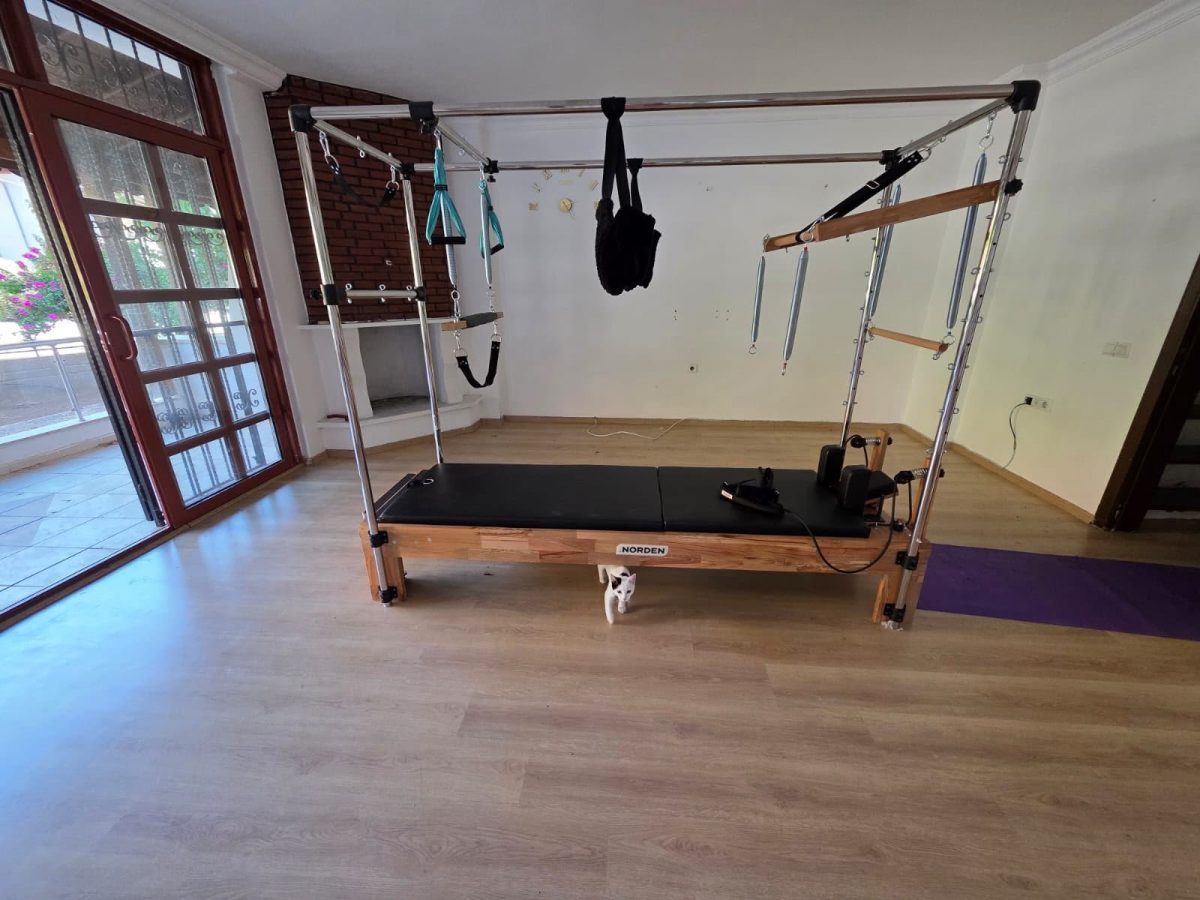
The trapeze bar system on the Cadillac Reformer enables lumbar traction exercises. Traction temporarily opens the intervertebral space, reducing pressure on the disc and helping to relieve the swelling and inflammation around the nerve root. However, it's crucial that traction is applied in a controlled manner, tailored to the patient's tolerance. Excessive load or sudden pulling movements can have the opposite effect.
Correcting Postural Kyphosis and Hyperlordosis with the Reformer
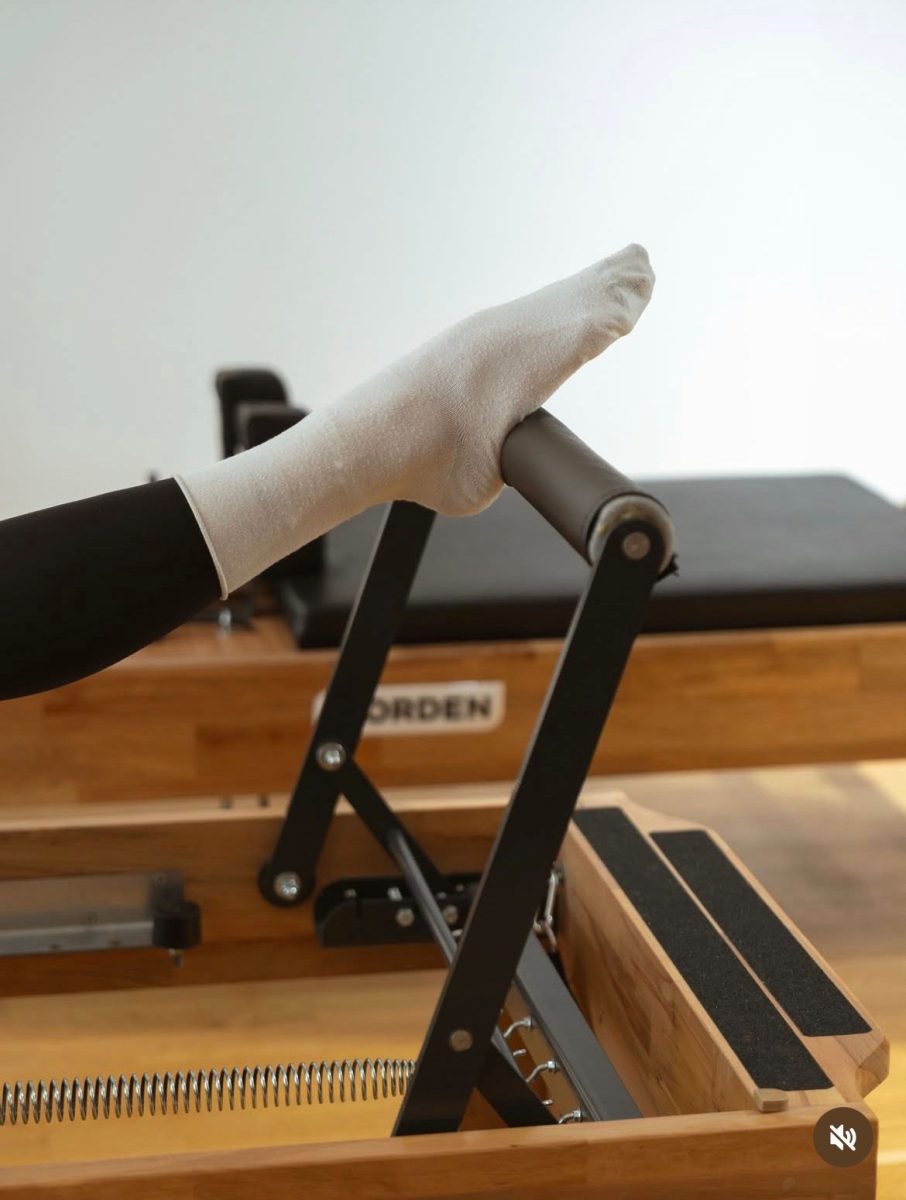
Another common cause of back pain is postural dysfunction. Excessive thoracic kyphosis (rounded upper back) and lumbar hyperlordosis (exaggerated lower back curve) create asymmetric load distribution across spinal joints. Reformer Pilates is highly effective at correcting these issues because it continually reinforces neutral body alignment. For instance, the footbar's 4-position adjustable design can be optimised for different heights and degrees of pelvic tilt. This prevents the lumbar spine from going into unnecessary extension.
Arm spring work on the tower system strengthens scapular retraction and thoracic extensors, restoring postural balance in the upper back. In particular, forward head posture and rounded shoulders — common among office workers — improve noticeably with regular Reformer sessions. For physiotherapists applying these kinds of postural correction programmes, full-cage models such as the Cadillac Reformer are preferable, as they offer a broader range of exercises.
Advantages and Limitations of Reformer Pilates for Back Pain
Advantages
- Low Impact: The carriage system allows for muscle activation without joint impact — critical during acute pain phases.
- Progressive Resistance Control: 5 different spring options allow a personalised, progressive loading programme. The yellow spring is the lightest (around 2 kg resistance), while black is the heaviest (around 8 kg).
- Axis and Angle Precision: The adjustable footbar and gearbar systems allow postural correction down to the millimetre.
- Proprioceptive Training: Working on a dynamic platform keeps deep stabiliser muscles continuously engaged, rather than relying on superficial movers.
- Safe Progression: The stopper system and 16-bearing construction minimise the risk of sudden slipping or jolting — particularly important for beginners using an equipment-based Pilates machine for the first time.
- Versatile Movement Patterns: Exercises can be performed lying on the back, prone, side-lying, seated or standing. This variety ensures balanced development of all postural muscles.
Limitations and Points to Consider
- Learning Curve: Correct form and technique on the reformer require supervision from an experienced instructor. Incorrect positioning can worsen pain.
- Cost Factor: Investing in a quality Reformer machine can seem significant upfront. When researching Pilates reformer prices across different models, it's worth weighing long-term durability and warranty terms.
- Acute Radiculopathy: In cases of severe nerve compression, all forms of dynamic exercise may be contraindicated. A neurosurgical or orthopaedic evaluation is essential before starting.
- Severe Osteoporosis: In patients with advanced bone mineral density loss, even spring-based resistance can increase fracture risk. Modified protocols are needed for this group.
- Kinesiophobia: People with a history of chronic pain often fear movement. Psychological support and a gradual introduction process are important in a Reformer setting.
Material Specifications and Their Effect on Back Health
How effective a Reformer machine is for treating back pain depends not only on the exercise protocols but also on the quality of materials used. Norden Reformer models are built from premium solid beech wood, known for its durability and natural vibration-dampening properties. Wood offers a softer contact feel than metal frames and absorbs micro-shocks before they reach the joints.
8-Wheel System and 16-Bearing Technology
The smoothness of carriage movement is critical for back health, since a rough or vibrating slide can trigger unwanted protective muscle spasms in the spinal stabilisers. The 8-wheel system, with dual bearings on each wheel (16 bearings in total), minimises friction and keeps operation quiet. This allows smooth transitions between concentric and eccentric muscle contractions — a detail that makes a real difference during slow, controlled exercises on the Reformer machine.
Antibacterial Premium Faux Leather and Hygiene
In a studio setting, the same equipment is used by multiple people. Antibacterial faux leather upholstery prevents bacterial and fungal growth, keeping hygiene standards high. Its sweat-resistant build also means it won't deform over the years. The shoulder rests and headrest, in particular, are anatomically shaped for comfortable support of the neck and upper thoracic region. The headrest is adjustable across 3 positions, while the shoulder rests remain fixed to provide consistent, reliable support — an incorrect headrest height can disrupt cervical lordosis and cause neck pain, which is why quality upholstery matters.
304 Stainless Steel Tower System and Stability
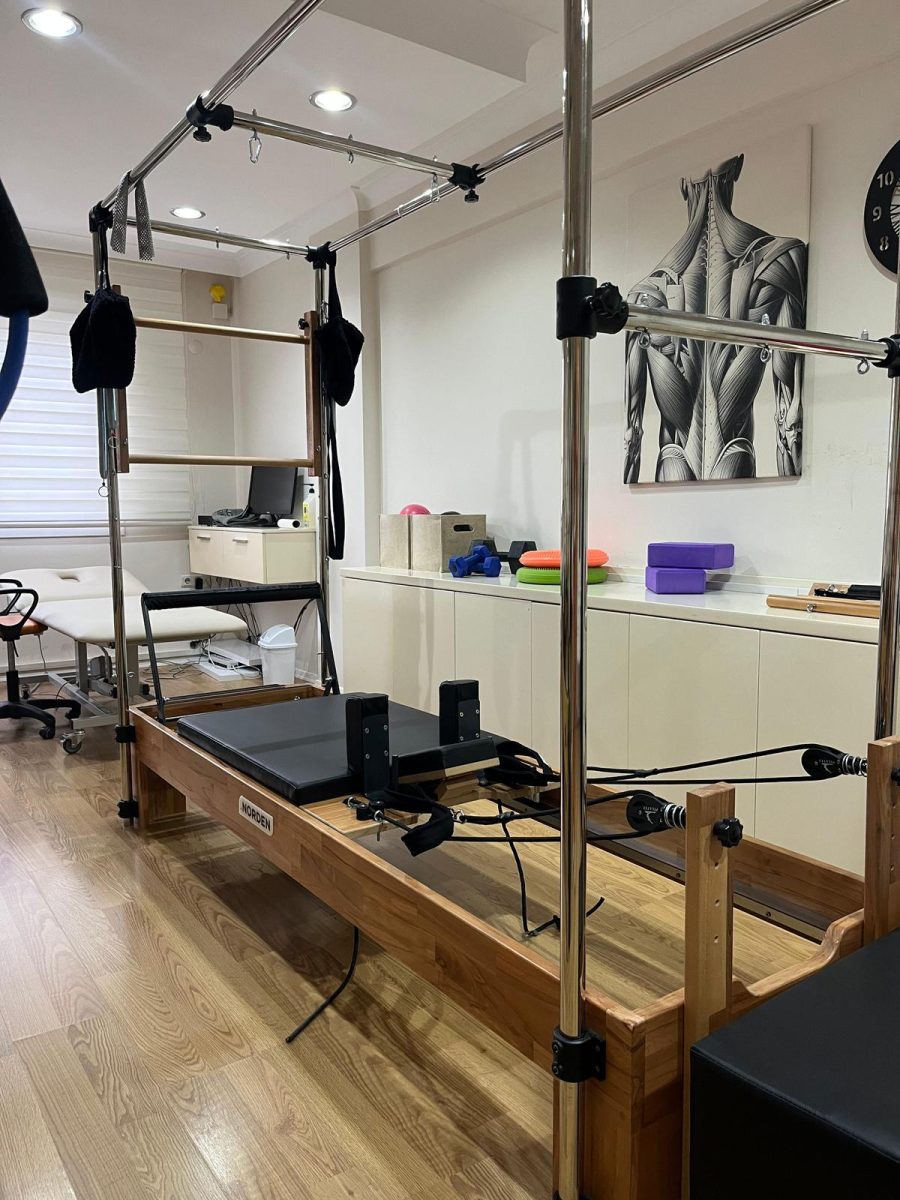
The 304-grade stainless steel used in the Tower and Cadillac models offers high tensile strength and zero-flex performance. During overhead exercises on the tower, the system must never wobble — any flex or vibration disrupts proprioceptive feedback and undermines the patient's confidence. Norden tower models have sturdy, wide-based floor mounts, which further stabilise the 250 kg platform weight.
Reformer Exercise Recommendations and Progression Strategy for Back Pain
To put the theory into practice, here's a sample 8-week Reformer Pilates progression for someone managing back pain. The protocol covers every stage, from the acute pain phase through to post-rehabilitation functional strengthening.
Weeks 1-2: Pain Management and Neutral Spine Training
The goal at this stage is to build movement awareness without increasing pain. Initial exercises use minimal resistance and a limited range of motion.
Footwork Series (Yellow + Blue Spring): Lying on your back on the carriage, place your feet on the footbar. Perform knee flexion-extension while controlling pelvic tilt. This exercise activates the glutes and hamstrings while keeping the lumbar spine neutral. Pay attention to breath control throughout; engage the core on the exhale.
Supine Arms (Yellow Spring, Arm Springs): If you're working on a Tower or Cadillac model, perform an overhead arm press using the arm springs while lying on your back. This movement engages the scapular stabilisers and encourages gentle thoracic extension.
Weeks 3-4: Core Activation and Segmental Control
As pain levels begin to decrease, exercises requiring more core activation are introduced.
Knee Stretch Series (Blue + Green Spring): Kneeling on the carriage, place your hands on the footbar. Keeping the spine neutral, push the hips back. This movement challenges both the core and the scapular stabilisers. If done incorrectly, lumbar lordosis increases, so this should be performed in front of a mirror or under instructor supervision.
Roll-Down Bar (Tower): Seated, hold the roll-down bar and flex the spine vertebra by vertebra in a controlled manner. Aim for each vertebra to move individually. This exercise develops eccentric control of the erector spinae muscles and reduces disc pressure.
Weeks 5-6: Functional Strengthening and Stability
At this stage, movements that simulate everyday activities can be introduced.
Long Stretch (Green + Red Spring): In a plank position with hands on the footbar and feet against the carriage shoulder block, slide the carriage back and forth to work full-body stabilisation. This exercise activates the anterior and posterior core chains simultaneously.
Side Splits (Tower): Standing with one foot on the floor and the other on the carriage, open and close the carriage sideways to strengthen the adductors and abductors. This movement also improves pelvic stability and controls lumbar lateral flexion.
Weeks 7-8: Advanced Level and Functional Performance
In the final two weeks, the goal is to integrate the strength and control gained into daily life and sport.
Elephant (All Springs): Standing with hands on the footbar and legs straight, move the carriage using spinal flexion alone. This is an advanced core exercise requiring good hamstring flexibility.
Short Box Series (Box Accessory): With the Box placed on the carriage, perform various rotation, lateral flexion and extension movements while seated. Rotation movements in particular target the multifidus and rotatores muscles, which play a key role in spinal segmental stability.
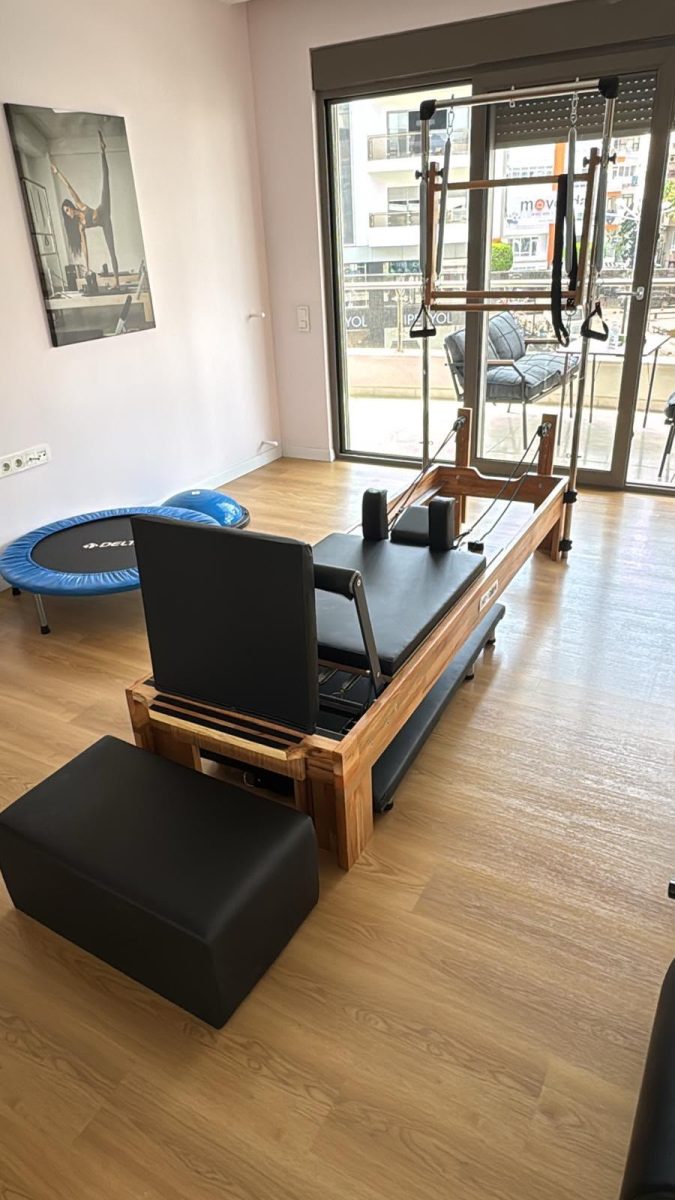
Studio Setup and Model Selection by Patient Profile
If you're a physiotherapist or Pilates instructor planning to set up a studio focused on back rehabilitation, there are a few key factors to consider when choosing equipment.
Patient Profile and Clinical Needs
If your patient base is mostly chronic lumbar pain and postural dysfunction cases, the Tower Reformer is an ideal, cost-effective starting point. Its single-sided tower frame provides enough accessory space for push-through bar and arm spring work. If you're treating more complex cases — disc herniation, radiculopathy, or post-surgical rehabilitation — the Cadillac Reformer's trapeze bar and full cage system offer a broader range of treatment options. Lumbar traction and free-hang work are especially valuable in these cases.
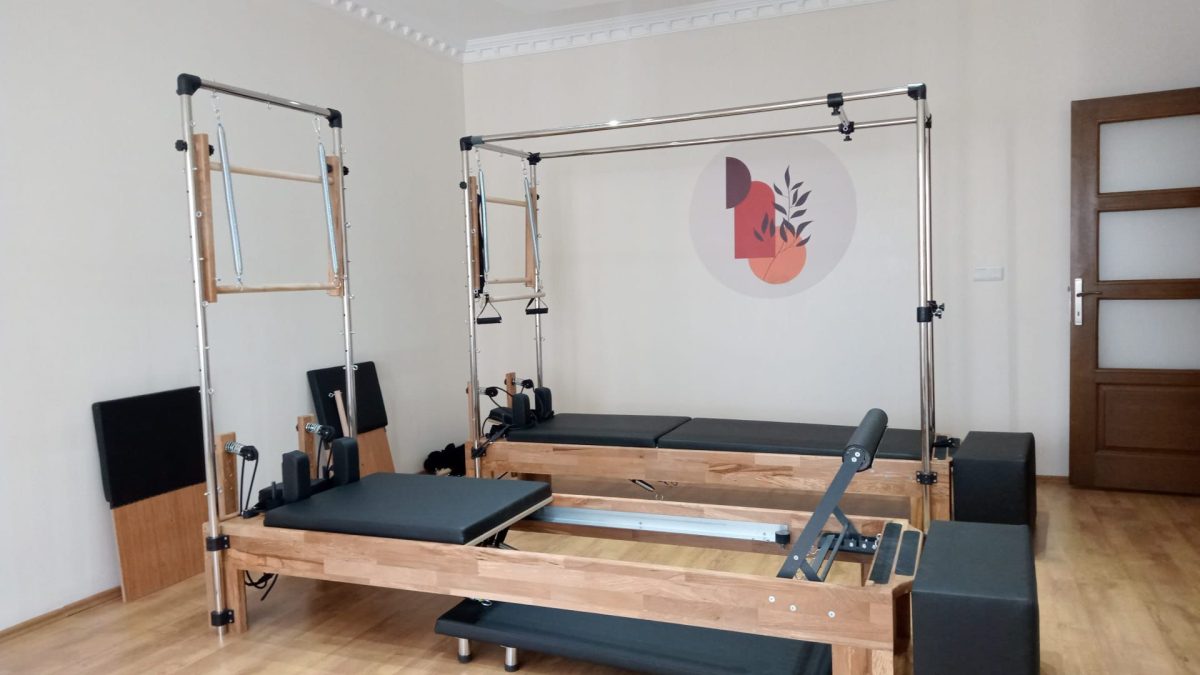
If you're planning to open a new studio, take a look at our guide on the equipment list and start-up costs for opening a Pilates studio. For most clinical needs, an initial investment of 2-3 Tower Reformers, 1 Cadillac Reformer and supporting accessories is a solid combination.
Space and Logistics Planning
Reformer machines take up significant space and aren't easy to move. Plan for a minimum of 2.5 × 1.5 metres of usable space per unit. Since the tower on Cadillac models stands 190 cm tall, ceiling height should be at least 2.5 metres. Delivery, taxes and duties are included in the price for all Norden Reformer models, and machines ship fully assembled. The carriage bed arrives fully set up, and only the tower section requires simple assembly; with video support, this can typically be completed in 20-30 minutes.
For more details on delivery, visit our shipping and delivery page.
Choosing a Reformer for Home Users and Managing Back Health
Regular Reformer Pilates practice at home is an excellent investment in long-term back health. However, without an instructor present, a few extra precautions are needed.
Safe Use and Online Training Support
Home users typically opt for the Basic Reformer. This model lacks a tower system but offers all the essential features needed for foundational exercises. Everything from the footwork series to knee stretch, long stretch and core basics can be done on this model. When training at home, make sure to follow online video tutorials or a programme designed by a certified instructor. Incorrect form and overloading can cause new injuries rather than therapeutic benefit.
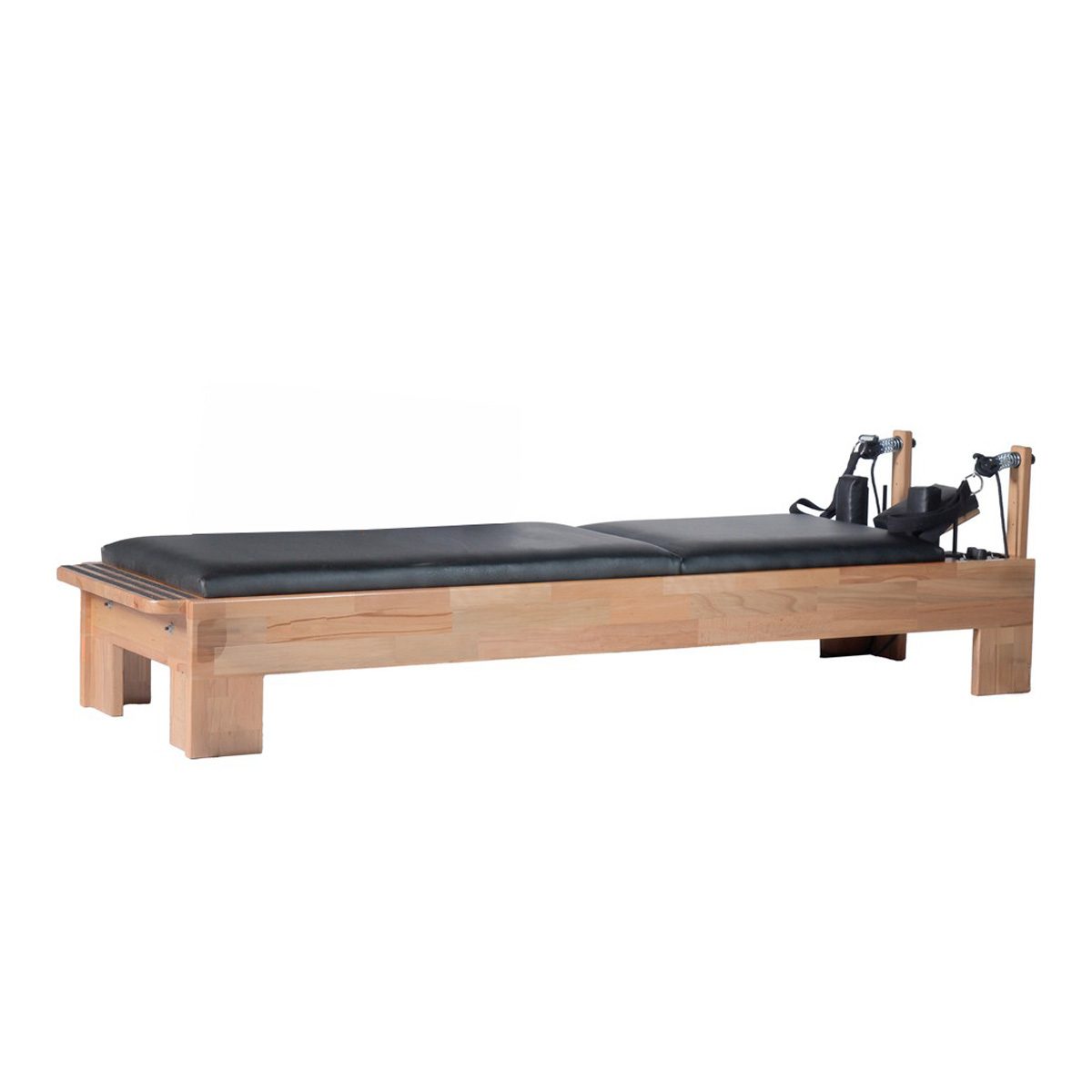
Another important aspect of home Reformer use is regular maintenance and inspection. Spring tension, bearing lubrication and footbar bolt tightness should be checked monthly. Norden Reformer backs this up with a 2-year parts warranty for added peace of mind. Built for heavy use, this equipment holds up for years even with multiple sessions a day.
Space-Saving and Foldable Model Alternatives
If your living space is limited and you can't keep a reformer permanently set up, a foldable model is worth considering. Keep in mind, though, that the folding mechanism is slightly less rigid than fixed models and may not be ideal for advanced exercises requiring maximum spinal stability. If back health is your priority and your budget allows, we'd recommend choosing a fixed-frame model instead.
Material Quality and Long-Term Investment Considerations
When buying a Pilates reformer, it's more sensible to consider total cost of ownership rather than price alone. A cheap, low-quality unit can develop problems within 1-2 years, such as spring replacement, bearing failure or wood cracking. Norden Reformer models are built from premium solid beech wood, protected with 4 layers of specialist matte varnish. This finish offers full resistance to sweat and moisture, preventing swelling, cracking or discolouration of the wood surface.
The heavy frame construction (250 kg) ensures the equipment never wobbles during use. This is particularly critical for advanced plyometric exercises, such as jump board work. Jumping on a light, unstable platform is both unsafe and puts sudden shock loads on the spine. A heavy, rigid structure, by contrast, absorbs energy and protects the joints.
Warranty and Service Support
Norden Reformer offers a 2-year parts warranty across all models. Within this period, any fault resulting from a manufacturing defect is covered with a free replacement part. Video and phone support are also available during assembly and use. If you're running a professional studio, this warranty coverage matters significantly for business continuity. Visit our warranty terms page for full details.
Cost Considerations
Investing in a Pilates reformer is a strategic decision, especially for studio owners. A single quality unit can support dozens of patients' treatment and provide years of service. For current pricing on Basic, Tower and Cadillac Reformer models, see the current price on the respective product pages.
All models come with a Box and Jump Board accessory set included as standard, saving you from having to purchase these separately. Having everything bundled together makes initial budget planning simpler. The jump board is particularly useful for cardiovascular conditioning and lower-limb plyometric training, coming into play during the functional strengthening phase once back pain rehabilitation is complete.
Frequently Asked Questions
Can Reformer Pilates completely cure back pain?
Reformer Pilates cannot guarantee a complete cure for back pain, since pain has multiple contributing factors (pathology, lifestyle, genetics, etc.). However, clinical research shows that a regular, correctly applied Reformer Pilates programme can reduce chronic lumbar pain scores by 50-70%. What matters most is ruling out serious underlying pathology (tumour, infection, severe nerve compression) through medical evaluation first, and then following a rehabilitation programme under professional supervision.
Can people with disc herniation do Reformer Pilates?
Yes, but it requires careful assessment and a modified exercise protocol. It's important to identify which direction of movement increases pain. For example, lumbar flexion is contraindicated in posterior disc herniation, so exercises that keep the spine neutral or in slight extension are preferred. A physiotherapist or certified Pilates instructor should design a personalised programme based on MRI findings and clinical evaluation. In advanced radiculopathy (such as foot drop or loss of sphincter control), medical or surgical assessment is essential first.
Which is more effective for back rehabilitation, the Tower or Cadillac model?
Both models are effective for back rehabilitation. The Tower Reformer covers essential overhead exercises (push-through bar, arm springs) with its single-sided tower system and is more cost-effective. The Cadillac Reformer, with its full cage structure and trapeze bar, allows for multi-planar traction, free-hang work and advanced mobilisation techniques. If your patient profile includes severe neurological cases or post-surgical rehabilitation, the Cadillac is the better choice. For general postural correction and chronic pain management, the Tower is sufficient.
How often should I exercise using a home reformer?
For managing back pain, a minimum of 3 sessions per week is recommended, ideally 4-5. Each session can last 30-45 minutes. Start with light resistance and a limited range of motion, then progressively increase resistance and complexity after 2-3 weeks. If training at home, arrange at least a monthly online or in-person check-in with an instructor to review your form. Incorrect form can do more harm than good in the long run.
Is Reformer Pilates enough, or do I need an additional exercise programme?
Reformer Pilates is an excellent tool for core stabilisation, postural correction and functional strengthening. However, a complete back-health programme should also include aerobic conditioning (walking, swimming), flexibility work (static stretching) and attention to everyday ergonomics. After 3-4 Reformer sessions a week, adding light cardiovascular activity and self-mobilisation exercises on other days creates an ideal combination. Nutrition, sleep quality and stress management also directly affect pain levels.
Conclusion: A Holistic Approach to Reformer Pilates and Back Health
Reformer Pilates is a highly effective, scientifically supported method for treating and preventing back pain. Its controlled resistance system, precise postural adjustments and wide range of exercises protect and improve spinal health. That said, the reformer is only a tool — proper assessment, personalised programme design and professional supervision remain essential.
If you're a physiotherapist or Pilates instructor planning to set up a studio, quality and durability should be your top priorities when choosing equipment. Norden Reformer offers professional-grade equipment built from premium solid beech wood, featuring a 304 stainless steel tower system, 8-wheel/16-bearing technology, and a 2-year parts warranty. The Box and Jump Board are included with every model, so you can start working with a complete set right away.
For home users too, a Reformer is one of the most valuable long-term investments in back health. With online training support, video assembly guides and phone support, you can train safely at home. That said, it's always worth getting foundational training from a professional before starting, along with regular form checks.
Back pain may feel like an unavoidable part of modern life, but it can be managed with the right movement patterns and regular exercise. Reformer Pilates will be your most reliable guide on this journey. It's time to take action — browse our Pilates reformer range and find the model that best suits your needs, for the sake of both your back health and your overall quality of life.


