


With growing demand for Pilates reformers, the second-hand equipment market has been expanding rapidly too. Instructors looking to open a new studio, or individuals planning to exercise regularly at home, often turn to a used reformer to protect their budget. However, making this decision without careful technical inspection, materials assessment and safety testing can lead to serious disappointment and safety hazards down the line. In this guide, we'll cover, at an expert level, every critical point to check before buying a second-hand reformer, the biomechanical inspection steps you should take, and a cost comparison against buying new.
Decision Summary: Buying a Second-Hand Reformer
The most common problems you'll run into when buying used equipment are structural wear that isn't visible to the naked eye, loss of spring resistance, micro-cracks in the wood construction, and quiet but dangerous wear in the bearing system. Our advice is to do a quick pre-screening based on these criteria before deciding:
- Usage history of the equipment: Was it used in a studio or at home? How many people loaded it per day?
- Manufacture date and brand: On equipment older than 2 years, spring fatigue can increase by as much as 60%.
- Warranty and spare-parts availability: Can you still source spare parts for the tower system on older models?
- Refurbishment cost: Could the price you're being offered, plus refurbishment costs, end up costing more than a new machine?
Biomechanical Risks With Second-Hand Reformers
A Pilates reformer is built on a precise mechanical balance to ensure smooth and safe movement. If that balance has been thrown off on a used machine, it doesn't just reduce exercise quality — it can also trigger compensation movements that harm the musculoskeletal system.
Bearing and Wheel Wear: The Silent Danger
The bearing system in a reformer allows the carriage to glide smoothly along the footbar rails. In newly manufactured equipment — for example, Norden Reformer models with an 8-wheel system (16 bearings) — vibration is minimised during movement, reducing stress on the joints. On a used machine, once bearing fatigue sets in, you'll notice:
- Squeaking or clicking sounds during movement
- A catching sensation as the carriage moves along the rail
- Sudden stopping or jumping mid-movement
- Uneven rotation between the left and right wheels (risk of lateral tilt)
This kind of wear, in particular, can cause uneven load distribution in the knees and hips, meaning functional exercises on the reformer can end up doing more harm than good. Before buying second-hand, pull the carriage back and forth by hand and feel for any change in resistance.
Loss of Elasticity and Fatigue in the Spring System
A Pilates reformer uses colour-coded springs to generate resistance. Each spring is made from a metal alloy engineered for a specific resistance level, and over time it can suffer fatigue failure. To check the condition of the springs on a used machine, try these tests:
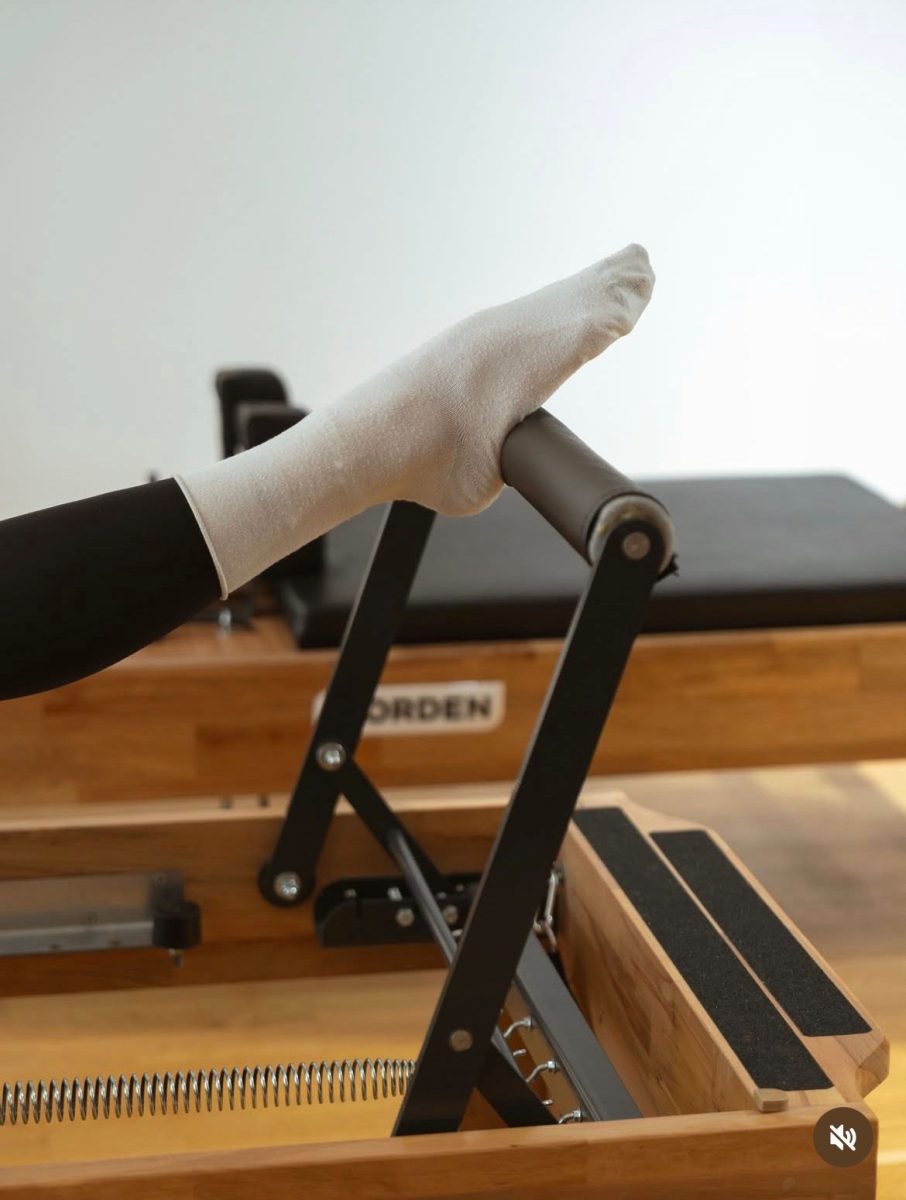
- Visual inspection: Is there any gapping, rust or discolouration in the coils of the spring?
- Sound test: Does the spring make a metallic scraping noise when engaged? This is a sign of surface corrosion.
- Resistance test: Pull springs of the same colour side by side and feel for any difference in resistance. A noticeable difference means one of the springs has lost its elasticity.
Using a machine with a faulty spring system, especially for rehabilitation-focused exercises, can lead to incorrect loading patterns and trigger muscle imbalances. New equipment from a reliable manufacturer like Norden Reformer guarantees the lifespan and consistency of the spring system.
Critical Checkpoints in the Wood Construction
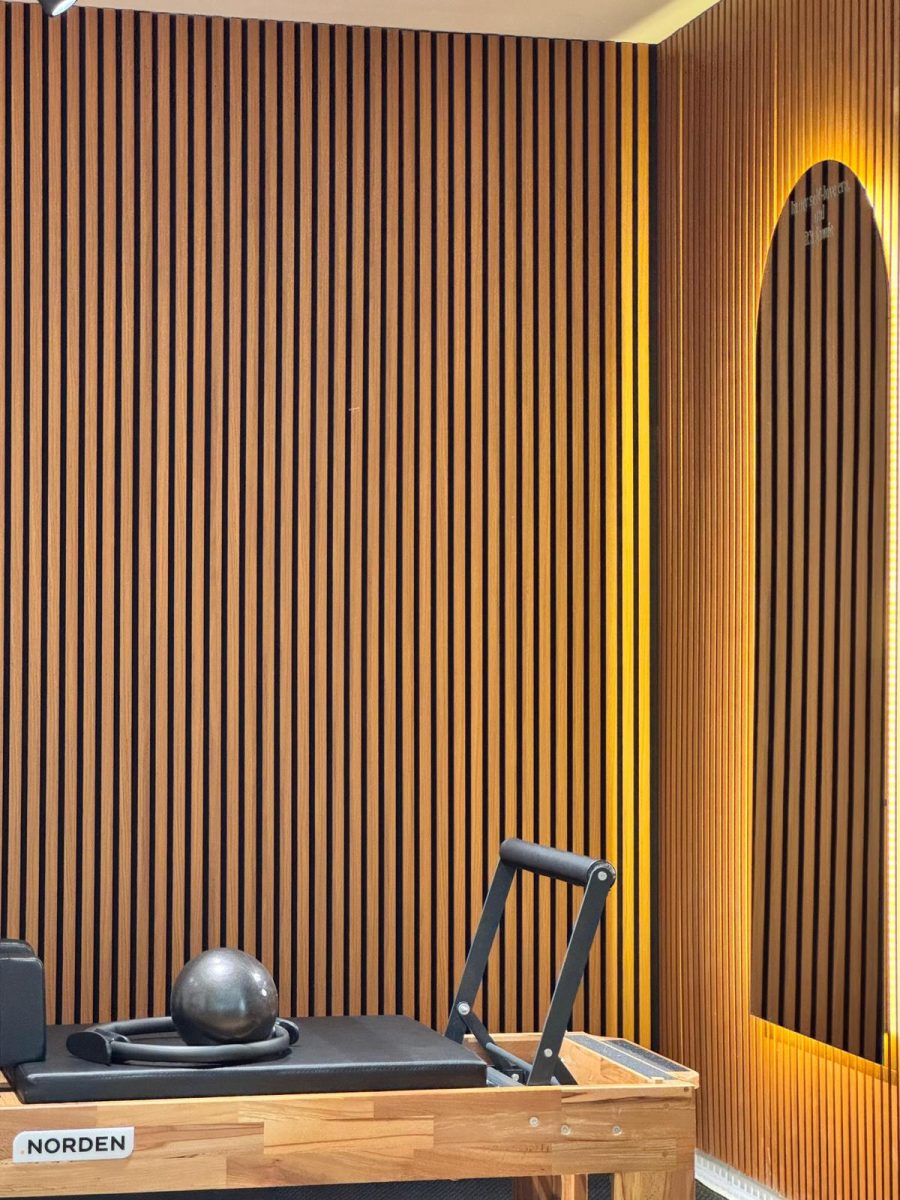
A reformer's frame is made from a hard yet flexible material such as solid beech. Wood, however, is sensitive to humidity changes, and on used equipment, micro-cracks that aren't visible to the eye can threaten structural integrity over time.
Moisture Damage and Finish Deterioration
Reformer frames are protected with 4 coats of a special matte finish against sweat and humidity. If this protective layer has been damaged on a used machine, the wood is directly exposed to moisture, leading to:
- Swelling and bubbling of the wood surface
- Delamination of the layered structure
- Cracking at stress points
- Rough surface texture and black staining (signs of mould)
To check for this kind of damage, run your fingertips over every wooden surface before buying. Rough patches indicate moisture damage has already begun. Also check the smell of the wood — a musty odour is a warning sign of internal deterioration.
Structural Weakening at Joints
The most critical points on a reformer are the screws and fittings where the tower meets the carriage frame. On a used machine, the following issues are commonly found in these areas:
- Stripped screw holes
- Rusted metal fasteners
- Splitting of the wood due to tension stress
This kind of structural weakness can lead to sudden joint failure during high-intensity exercise and cause serious injury. When buying second-hand, check every connection point with a wrench, and walk away if you find a loose screw.
Checking Chrome Construction on Tower and Cadillac Systems
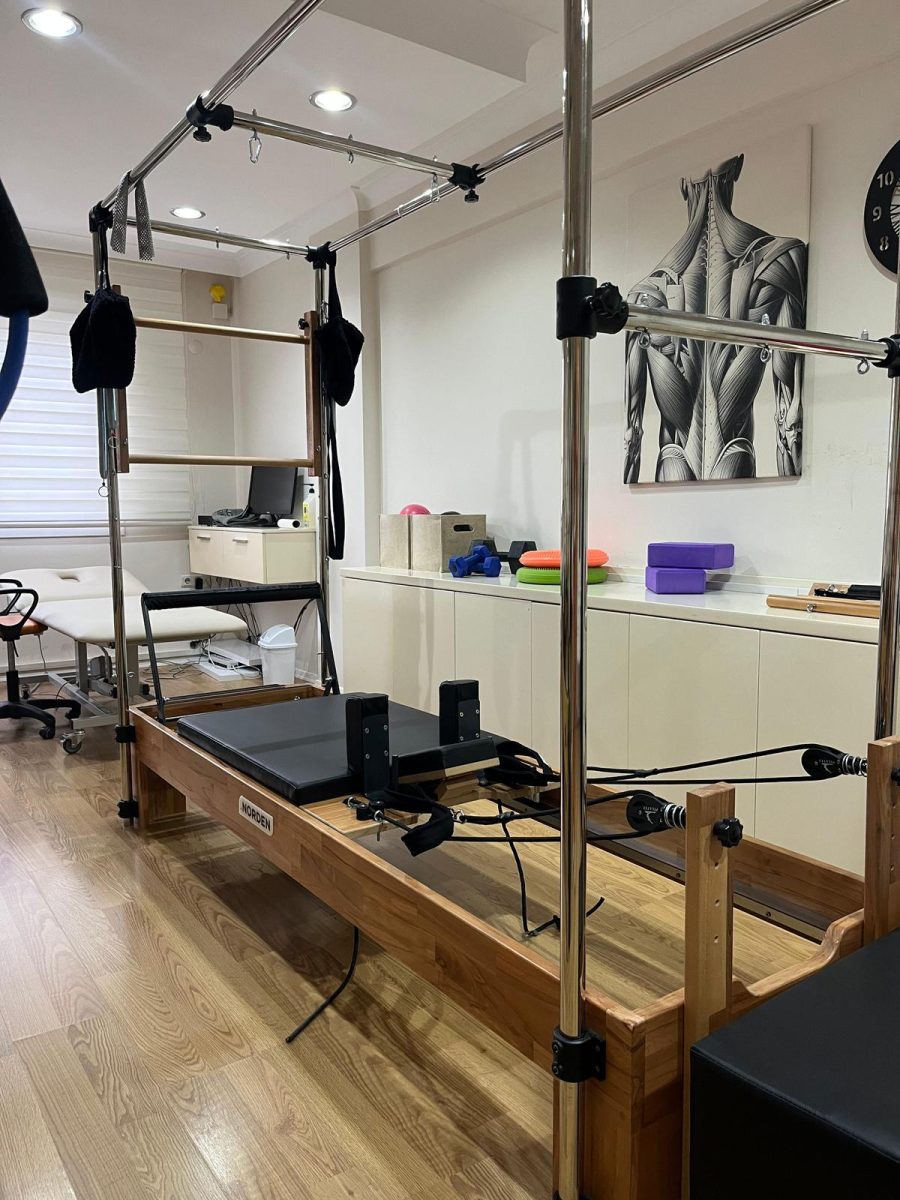
On Tower reformer and Cadillac reformer models, the tower is made from 304-grade chrome steel, offering high strength and corrosion resistance. However, if corrosion has started in the steel beneath the chrome plating on a used machine, the safety risk increases dramatically.
Signs of Rust on the Chrome Surface
Chrome plating is a thin but durable protective layer. If this layer has been scratched or has started peeling on a used machine, the steel underneath is directly exposed to air and moisture. Watch for:
- Brown spots on the chrome surface (early oxidation)
- Bubbling at pipe joints
- Chrome plating flaking off
- Rough texture on the metal surface
If you spot rust on the tower system, don't buy the machine. Re-chroming is an expensive process, and usually ends up costing about the same as a new machine anyway.
Tube Diameter and Flex Testing
To check for lateral flex in the tower's vertical tubes, hold a tube at shoulder height and gently push it sideways. A solid construction shouldn't flex at all. If the tube bends, this points to metal fatigue or a manufacturing fault.
Upholstery and Finish Quality on a Second-Hand Machine
A reformer's surface upholstery is covered in antibacterial faux leather. On a used machine, this covering can wear, tear, or lose its antibacterial properties over time.
Loss of Antibacterial Protection and Hygiene Risk
Faux-leather upholstery is in constant contact with sweat and moisture. If the antibacterial layer has deteriorated on a used machine, bacterial colonies can form on the leather surface. Run these checks:
- Smell the leather — a sharp, acidic odour is a sign of bacterial build-up.
- Wipe the surface with a damp cloth — if yellow or brown stains appear on the cloth, the leather is a hygiene risk.
- Check the leather surface for cracking or wear marks.
Re-upholstering can cost roughly 15–20% of the equipment's value. For this reason, you should assess the upholstery condition carefully before buying second-hand.
Headrest and Shoulder Rest Deformation
The headrest and shoulder rests on a reformer are anatomically designed to support good posture. On a used machine, these components can deform over time and provide incorrect support to the cervical area. Press down on the shoulder rest surface with your palms to check the firmness of the foam padding inside. If the foam has collapsed or isn't evenly distributed, this component needs replacing.
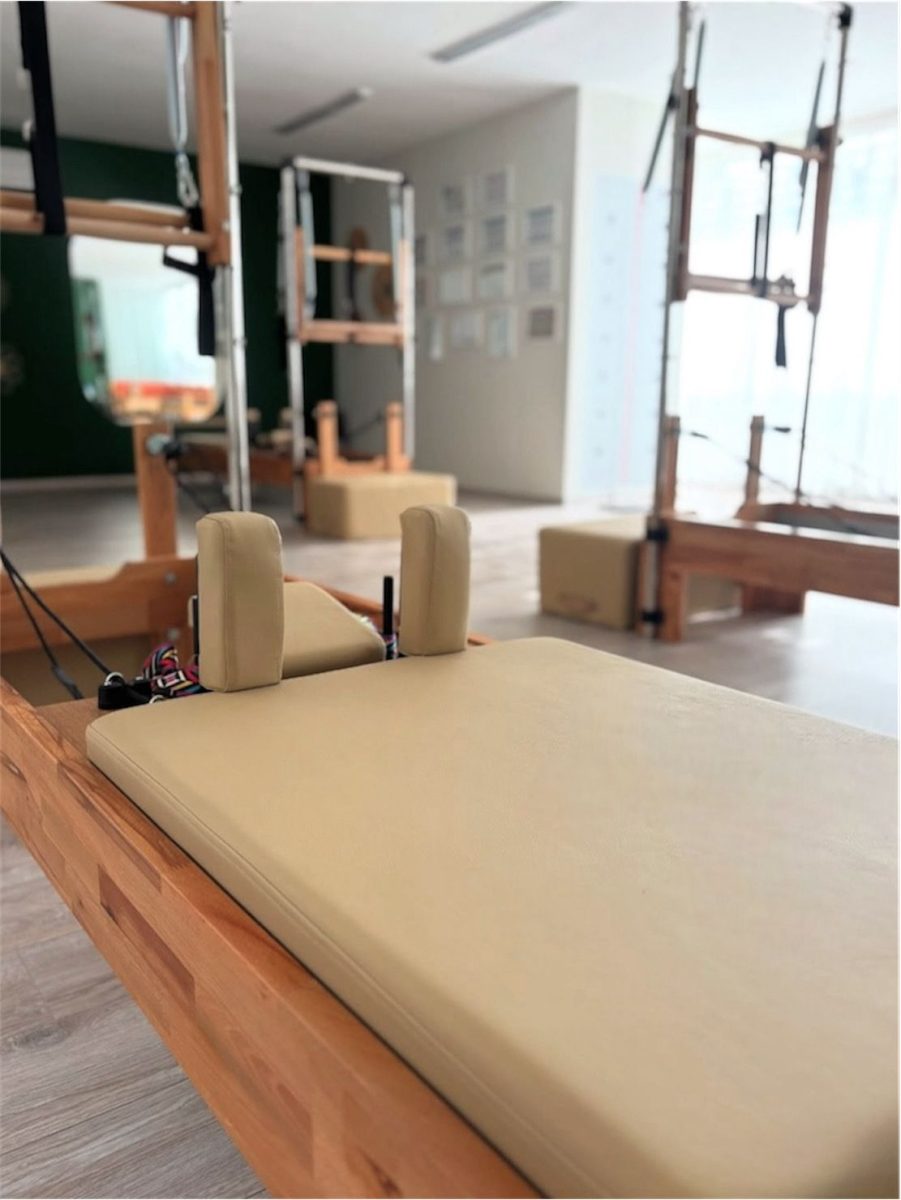
Technical Comparison: Second-Hand vs New Equipment Cost Analysis
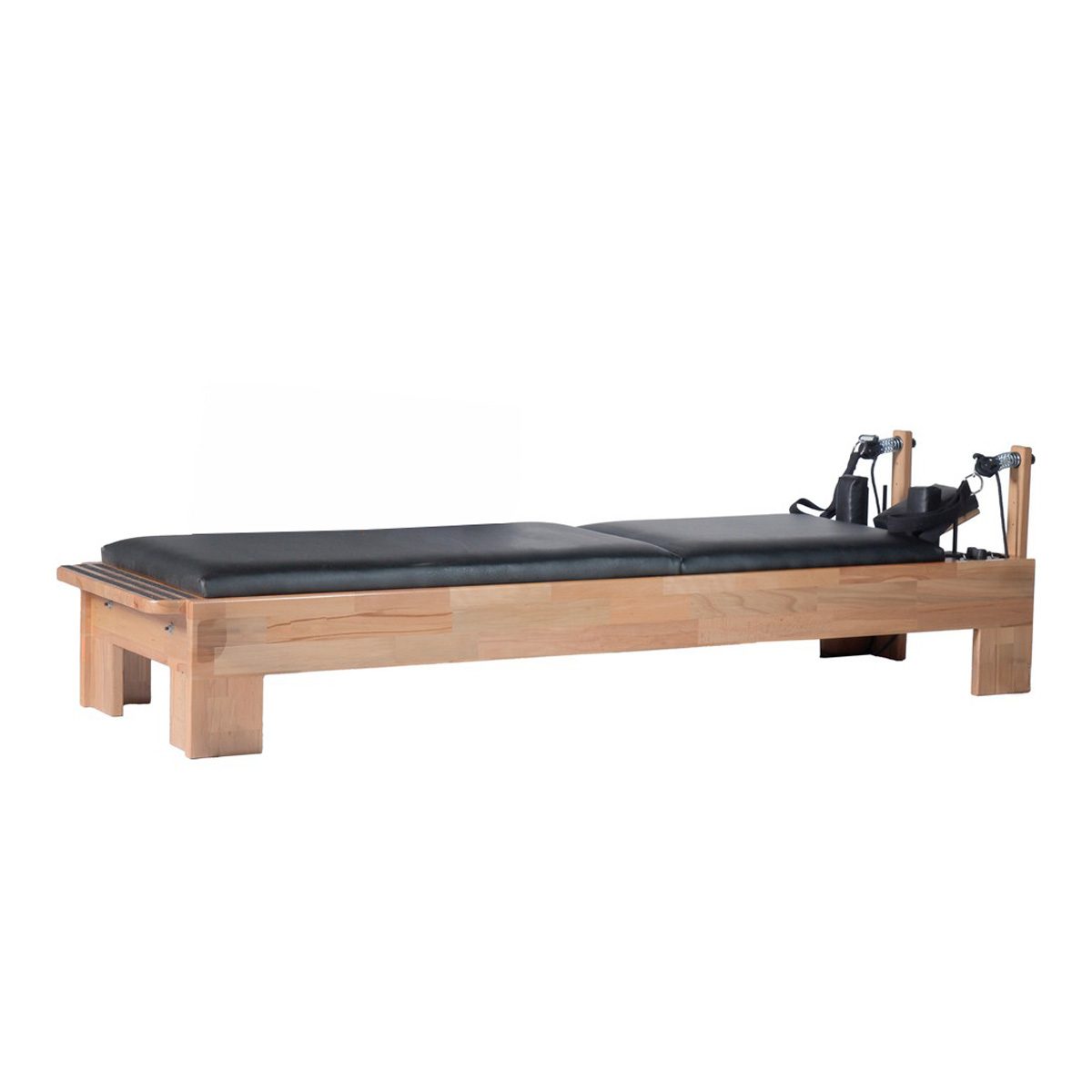
| Criteria | Second-Hand Reformer | New Reformer (Norden Basic) |
|---|---|---|
| Starting Price | See the current second-hand market price | See the current price on the product page |
| Refurbishment Cost | Spring set, upholstery, and bearings all typically need replacing This can add up significantly |
None |
| Warranty Period | None, or a maximum 3-month seller warranty | 2-year parts warranty |
| Spare Parts Availability | Uncertain, may be unavailable on older models | Immediately available |
| Delivery and Installation | Buyer's responsibility, additional cost | Delivery, taxes and duties included; machine ships fully assembled |
| Total Cost (Year 1) | Often close to the price of a new machine once refurbishment is included | All-inclusive, with no hidden extras |
| Safety and Hygiene | Uncertain — detailed inspection required | 100% sound and hygienic |
As this table shows, once you factor in refurbishment and spare-parts costs, a second-hand reformer can end up costing close to a new one — while new equipment offers far higher warranty, hygiene and safety standards.
Legal and Insurance Risks of Buying Second-Hand
If you're a studio owner using second-hand equipment, you may face certain risks when it comes to liability and insurance coverage.
Business Insurance and Equipment Certification
Many business insurance policies require equipment to carry the original manufacturer's certification. Second-hand reformers often lack this certification, or it's no longer valid. If an injury occurs due to equipment failure, the insurer may refuse to pay out.
Client Safety and Legal Liability
As an instructor, you have a duty to provide a safe exercise environment for your clients. If an injury occurs due to a structural weakness in second-hand equipment, you may be held directly liable. For this reason, you should always get a technical inspection report before buying second-hand, and keep it on file.
Advantages of Buying New From Norden Reformer
Once you weigh up the risks of buying second-hand, it becomes clear that buying new is the smarter choice in the long run, both for safety and for cost. Norden Reformer offers the following guarantees:
- 2-year parts warranty: Fast part replacement if anything goes wrong.
- 304-grade chrome steel tower: 100% resistant to rust.
- 8-wheel bearing system: Guaranteed quiet, smooth movement.
- Antibacterial upholstery: Fully compliant with hygiene standards.
- Delivery, taxes and duties included: Your machine arrives fully assembled, with no hidden costs.
What's more, a new reformer can typically be used for at least 5–7 years from its manufacture date without needing any refurbishment. On a second-hand machine, that window can shrink to as little as 1–2 years.
Second-Hand Buying: Inspection Checklist
If budget constraints mean you have to consider a second-hand machine, follow this step-by-step inspection checklist to minimise your risk:
- Usage history check: Ask the seller how many years the machine has been used, how many people loaded it daily, and for what purpose.
- Bearing and wheel test: Pull the carriage back and forth, feeling and listening for any noise or catching.
- Spring resistance check: Test each coloured spring for consistent resistance.
- Wood surface inspection: Run your fingertips over every wooden surface, checking for cracks or roughness.
- Chrome plating inspection: Check the tower system for any sign of rust or oxidation.
- Upholstery hygiene test: Smell the faux-leather surface and wipe it with a damp cloth to check for bacterial build-up.
- Screw and fastener check: Check every screw socket with a wrench to make sure it's secure.
- Footbar and gearbar position test: Lock the footbar into each position and test how firmly it holds.
- Stopper safety test: Check that the stopper engages correctly at the carriage's maximum range of travel.
- Overall stability test: Load the machine to full capacity (e.g. 100 kg) and check for any wobbling or noise.
Once you've worked through this checklist, add up the likely refurbishment costs on top of the asking price. If the total ends up close to the cost of a new machine, it's worth checking the current prices on our Pilates reformer page and considering a new one instead.
The Professional Ethics of Using Second-Hand Equipment
As a physiotherapist or certified Pilates instructor, the quality of the equipment you offer your clients is a direct reflection of your professional reputation. Using second-hand equipment in your studio can create the impression that:
- You're offering a lower-quality service
- Safety standards aren't a priority
- Client wellbeing isn't being sufficiently invested in
Pilates with a reformer is, after all, a premium health and fitness service. Clients expect to train on hygienic, modern and safe equipment. Second-hand equipment may fail to meet that expectation and can lead to client attrition over time.
Brand Image and Competitiveness
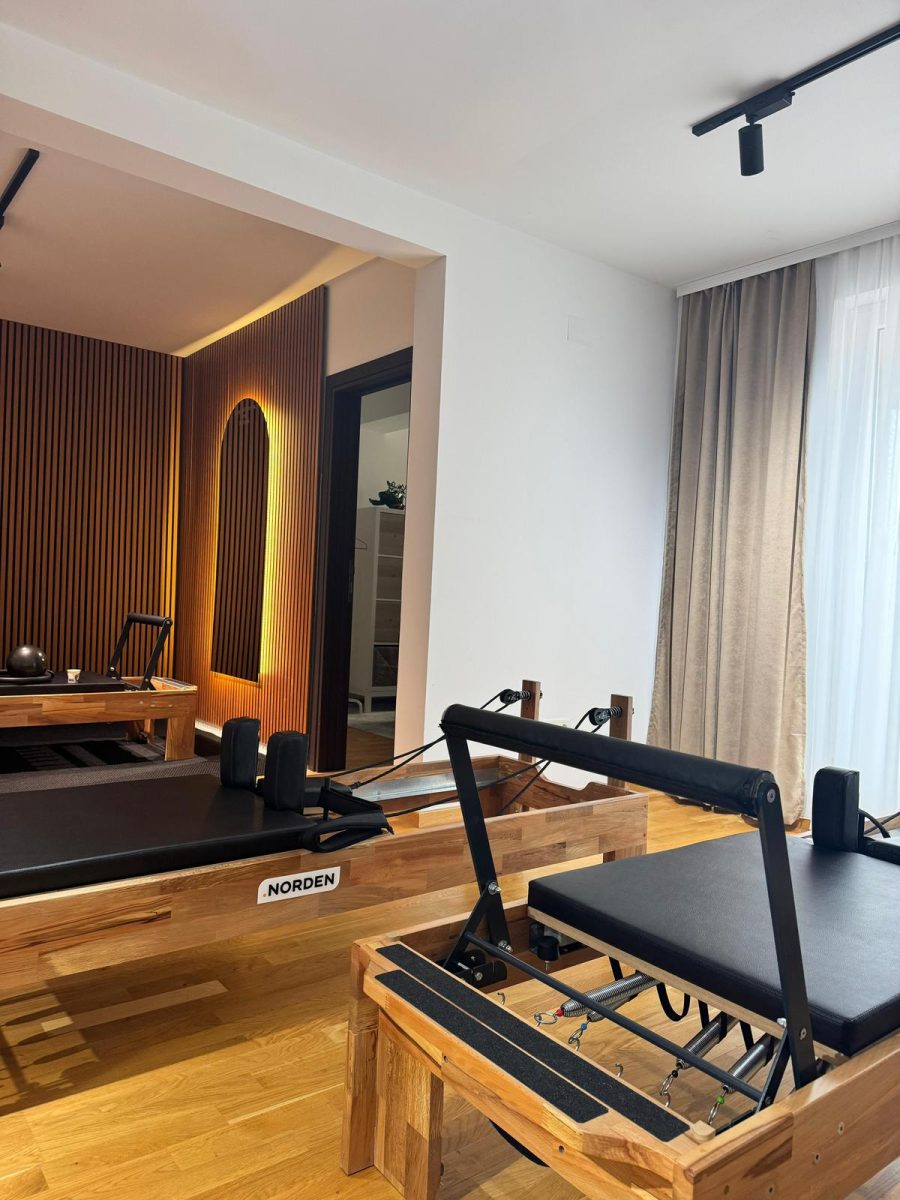
If a competing studio in your area uses new, modern equipment, it becomes much harder to compete using second-hand machines. Clients — particularly on social media — pay close attention to the look of the equipment they're training on. A worn or dated-looking reformer can create a poor impression.
Pros and Cons of Buying a Second-Hand Reformer
To help you weigh up your decision, here's a balanced look at the pros and cons of buying second-hand.
Pros
- Lower upfront cost: If your budget is tight, a second-hand machine lets you get started straight away.
- Quick availability: You can find one immediately on the second-hand market, without waiting for production lead times.
- A chance to gain experience: If you're new to reformer Pilates, starting with a second-hand machine can help you discover which features matter most to you.
Cons
- Structural safety risk: Wear in the bearings, springs and wood construction increases the risk of injury.
- Unpredictable refurbishment costs: Unexpected repair needs after purchase can strain your budget.
- Lack of warranty and support: You may struggle to find spare parts or technical support.
- Hygiene concerns: Deteriorated antibacterial upholstery can pose a health risk.
- Reputational risk: As a studio owner, this can negatively affect how clients perceive your business.
- Insurance and legal liability: Lack of equipment certification can leave you outside your insurance coverage.
With these pros and cons in mind, you can see why a second-hand purchase deserves very careful consideration.
The Science Behind It: Equipment Fatigue and Biomechanical Effects
A reformer's working life depends on usage intensity and maintenance quality. But from a materials-science perspective, the fatigue strength of both metal and wood components decreases over time.
Metal Fatigue Failure
Metal components such as the springs and the chrome steel tower can develop micro-cracks under repeated loading. These cracks are invisible to the eye at first, but once they reach a critical threshold, a sudden and catastrophic failure can occur. On a second-hand machine, this process may already be underway.
Wood Creep Behaviour
Wood undergoes permanent deformation under sustained load — known as creep. On a used reformer, if this kind of deformation has started at the footbar joints in particular, the footbar's angle changes, requiring compensation in ankle positioning. This can lead to excessive strain on the Achilles tendon and plantar fascia.
Frequently Asked Questions (FAQ)
1. Which parts absolutely need replacing to make a second-hand reformer safe?
If you've bought a second-hand reformer, you should first replace the full spring set, the bearing system, and the antibacterial upholstery. The spring set is critical for consistent resistance, and worn springs can lead to muscle imbalance. The bearing system ensures smooth movement, and worn bearings increase joint stress. The upholstery should be replaced for hygiene reasons. Replacing all three components typically adds a meaningful amount to your overall cost. If there are also cracks in the wood surface, those areas will need repair or replacement too. Once you add up all these refurbishment costs on top of the purchase price, you may find you're close to the cost of a new basic reformer.
2. What's the single most critical thing to check when testing a second-hand reformer?
The most critical check is how smoothly the bearing and wheel system runs. Pull the carriage back and forth by hand at maximum speed and feel for any noise, vibration or catching. If there's any squeaking or irregularity during movement, don't buy the machine. The second critical point is whether there's any rust on the tower system's chrome plating — if so, the structural safety risk is very high. Third, check every screw and connection point with a wrench for looseness or stripped threads. These three checks will give you a clear picture of the machine's overall condition.
3. Does using a second-hand reformer in my studio affect my insurance coverage?
Yes — many business insurance policies require equipment to carry original manufacturer certification and documented maintenance records. Second-hand equipment usually lacks this documentation. If an injury occurs due to equipment failure, the insurer may refuse to pay out, citing the lack of certification or warranty. For this reason, as a studio owner, you should discuss this with your insurer before using second-hand equipment and obtain a technical inspection report confirming it's safe. Otherwise, you could face serious legal and financial risk.
4. How long can a second-hand reformer be used for?
The usable lifespan of a second-hand reformer depends on its current condition, how intensively it was previously used, and what refurbishment you carry out. If it was used lightly at home and has no structural damage, you can expect another 2–3 years of safe use after refurbishment. If it was used heavily in a studio, however, serious structural fatigue issues can appear within just a year. A new reformer, by contrast, can be used for 7–10 years with regular maintenance and no refurbishment costs. If you're planning for the long term, buying new is a far more economical and safer choice. You can explore different models to suit your budget here.
5. What documents should I ask the seller for when buying a second-hand reformer?
When buying second-hand, always ask the seller for: (1) the original invoice or proof of purchase, so you can verify the manufacture date and brand; (2) any warranty documentation and maintenance records, which give insight into the machine's usage history; (3) records of any spare-parts replacements, showing which components have already been renewed; (4) if the machine was used in a studio, a usage-intensity report (how many people used it daily); and (5) any technical inspection or service reports, which offer an objective assessment of its current condition. Buying second-hand without these documents carries serious risk — if the seller can't provide them, it's best to walk away.
Conclusion: Second-Hand or New? A Guide to Making an Informed Decision
Buying a second-hand reformer isn't just a financial decision — it's a strategic one that affects safety, hygiene and professional reputation. In this guide, we've covered in detail the biomechanical risks of a used machine, the materials-science inspection steps you should take, and the likely refurbishment costs. As you've seen, a second-hand machine can hide numerous risks: bearing wear, spring fatigue, micro-cracks in the wood, chrome corrosion, and upholstery hygiene issues. Each of these can threaten the safety of both you and your clients.
As our cost comparison shows, even though the purchase price of a second-hand machine is lower, once you add refurbishment, spare parts and delivery costs, the total budget can come very close to that of a new machine. On top of that, a new machine gives you a 2-year warranty, hygienic upholstery, a rust-proof chrome tower, a quiet bearing system — and a modern look that strengthens your professional image.
If your budget really is tightly constrained and you need to buy second-hand, work through the 10-point inspection checklist in this guide step by step. Ask the seller for all relevant documentation, and always have the machine tested by an expert before buying. But if you're thinking about a long-term investment, choosing a new model such as a Tower reformer or Cadillac reformer is the smarter choice — both in terms of safety and economics.
At Norden Reformer, we manufacture with care to offer you the highest quality, safest and most hygienic equipment. Our reformers — built with premium solid beech, a 304-grade chrome steel tower, an 8-wheel bearing system and antibacterial upholstery — come with a 2-year warranty. Delivery, taxes and duties are included in the price, and your machine arrives fully assembled, ready to give you and your clients the best possible experience.
Choosing the right equipment for a healthy, safe and professional Pilates experience is one of the most important steps you can take in your career. Weigh up the risks of buying second-hand and make an informed, strategic decision. Remember: the quality of your equipment isn't just an investment — it's a tangible reflection of your expertise and the value you place on your clients.


