


Tower reformer, one of the modern interpretations of the original studio equipment developed by Joseph Pilates, plays a critical role in rehabilitation, postural correction and advanced sports performance development. Thanks to a vertical tower system integrated onto the classic reformer frame, this equipment provides resistance and support in both horizontal and vertical planes, maximising three-dimensional movement potential. For physiotherapists, it is indispensable for clinical goals such as spinal decompression, correcting muscular imbalances and developing neuromuscular control. Sports trainers also rely heavily on tower reformer work to develop functional strength, flexibility and balance simultaneously.
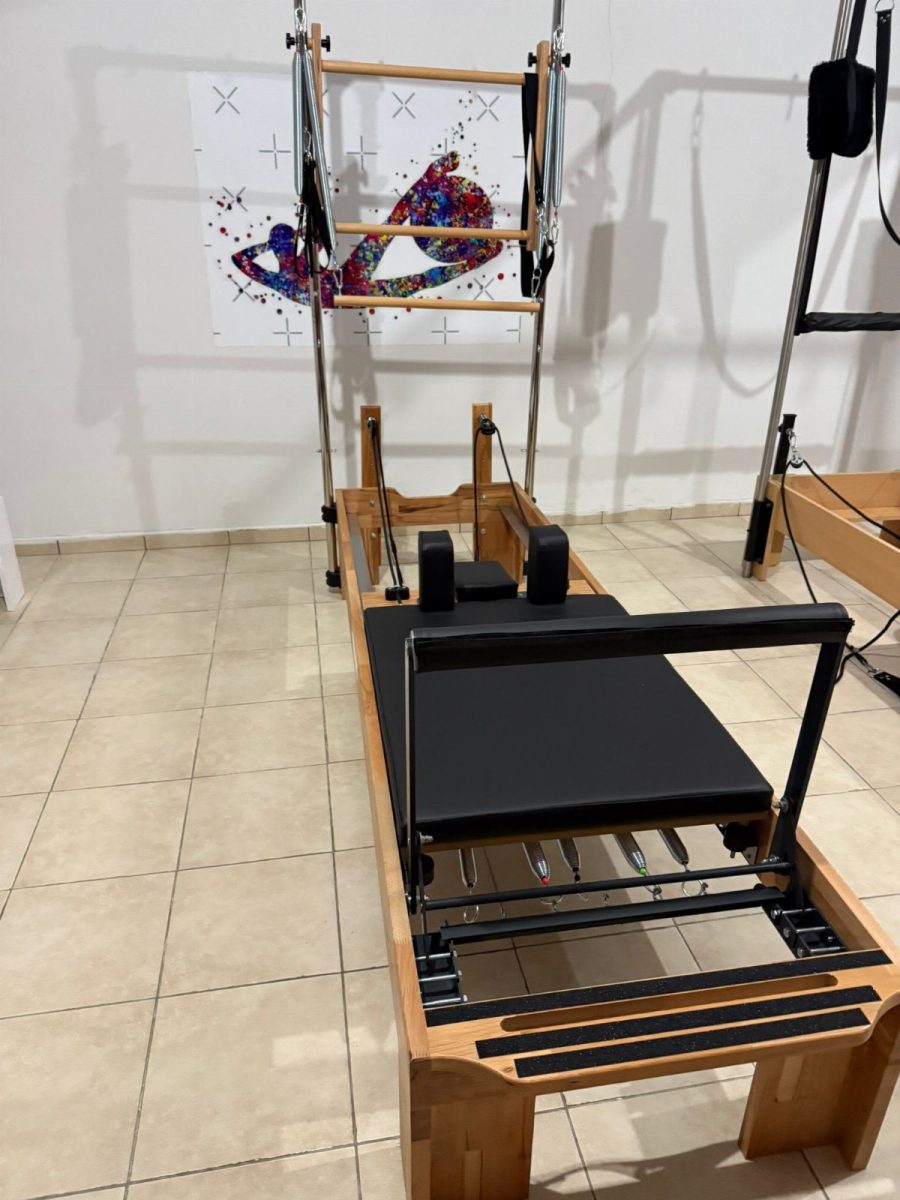
The structural advantage of the tower system is that it combines the low-friction platform of the reformer carriage - running on 8 wheels with 16 bearings - with vertical resistance sources, enhancing proprioceptive feedback. The springs fixed to the tower allow controlled loading during both concentric and eccentric contraction phases. This optimises muscle recruitment order and timing dynamics, improving movement economy. Clinical outcomes are particularly strong for pain management and range-of-motion gains in people with lumbar and cervical conditions.
The Technical Anatomy and Engineering of the Tower Reformer System
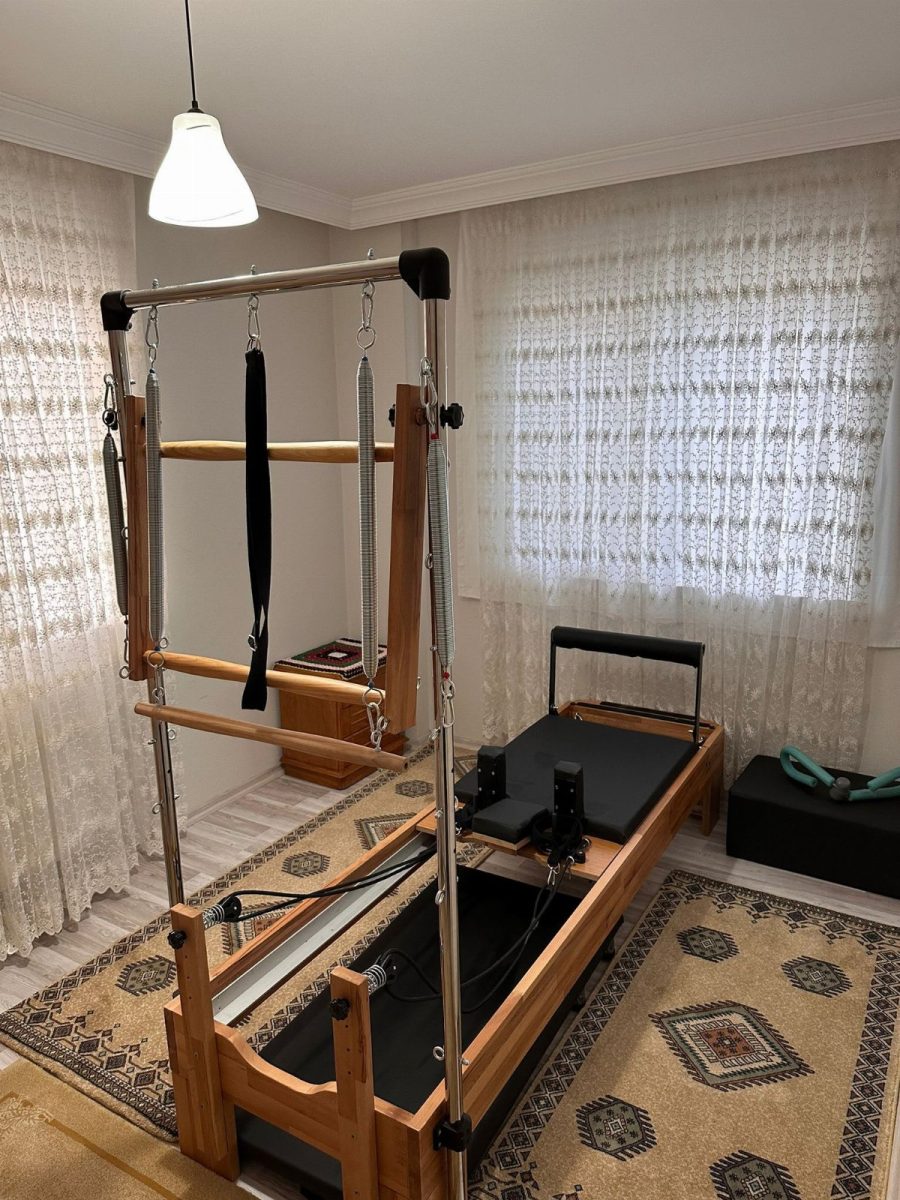
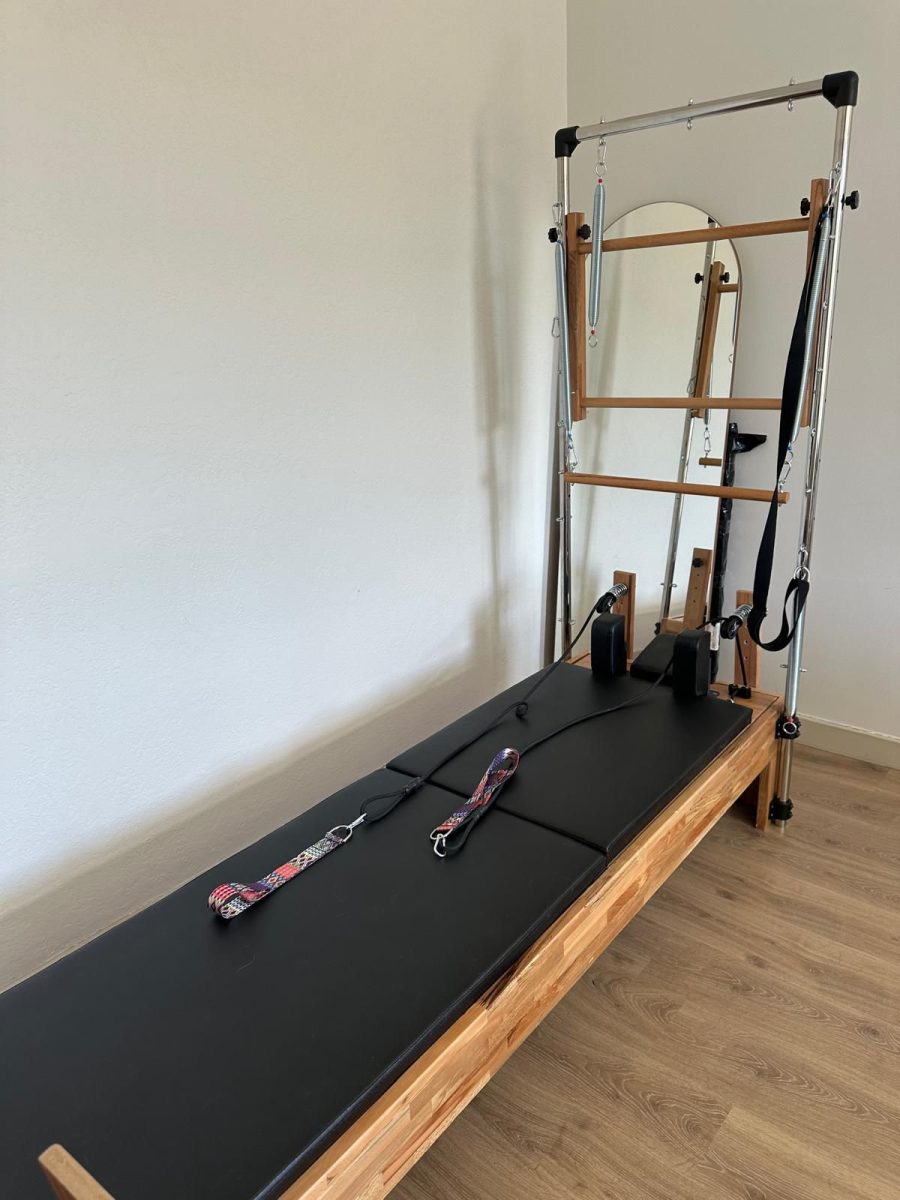
On tower reformer models, the tower section is made from 304-grade chrome steel and carries no risk of flex or play. This structure ensures stability even when the full body weight is transferred to the springs during upper-body exercises. The pulley and trapeze attachment points on the tower provide essential support for hanging and traction work, both widely used in clinical Pilates protocols. At the same time, the five colour-coded springs (yellow, blue, green, red, black) can be used both with the spring set under the carriage and with the tower springs, giving flexible, person-specific resistance adjustment.
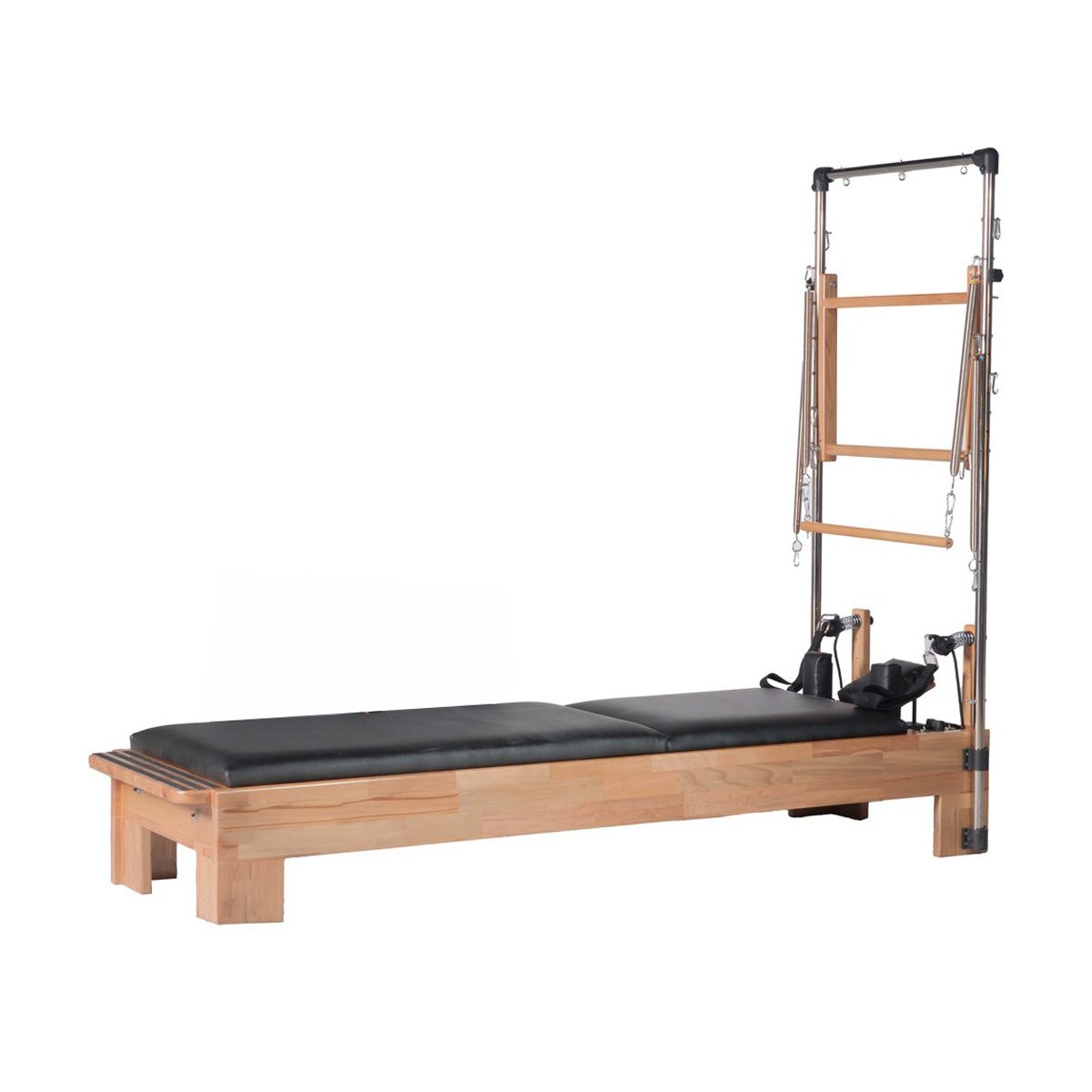
The tower reformer shares the same basic structure as the classic reformer, but is distinguished by a vertical tower rising from one end. It offers an ideal middle ground for studios balancing functionality and budget before committing to a full cadillac reformer. The tower stands at approximately 190 cm in height and is 79 cm wide, allowing standing leg spring work on the mat, supine trapeze work and side-lying arm spring series to all be performed without issue.
Material Science and Durability Parameters
The premium solid beech wood used in the Norden Tower Reformer is resistant to both heavy loads and continuous repetitive use thanks to its high density and grain structure. The wooden surfaces are coated with 4 layers of special matte varnish to protect against moisture and perspiration. This means surface integrity stays intact even under intensive studio use, keeping maintenance costs low. The undercarriage frame has a load capacity equivalent to 250 kg of volumetric weight, minimising the risk of wobbling or sliding during dynamic movement. This heavy-duty frame is particularly critical for safety during the sudden load changes encountered in jump board work.
The upholstery and surface materials are made from premium-grade antibacterial faux leather. The head and shoulder support pads are anatomically designed to help maintain cervical lordosis. The shoulder rests are fixed for ergonomic support, while the headrest is adjustable across 3 positions. The footbar system offers 4 adjustment levels, and the gearbar locks into 3 different positions. This mechanical versatility allows precise biomechanical alignment for users of different heights and leg lengths.
Resistance System and Progressive Loading Strategy
The tower reformer set includes both the 5-spring board under the carriage and springs that can be mounted on the tower. The yellow spring offers the lightest resistance and is preferred in the early stages of rehabilitation. The blue, green, red and black springs provide progressively higher resistance profiles, enabling advanced training and strength gains. When springs are combined, total resistance follows an exponential rather than linear curve, so an experienced instructor should carefully plan spring combinations according to the biomechanical goal of the session.
In neurological rehabilitation or with geriatric populations, where the principle is low resistance with high repetitions, combining the yellow and blue springs is often preferred. For athletic performance, combining the red and black springs targets explosive strength and speed parameters. The adjustable height of the tower springs makes it possible to train across a wide range of angles, from shoulder flexion to hip extension.
Tower Reformer Applications: From Clinical Rehabilitation to High Performance
The tower reformer is widely used both in clinical physiotherapy settings and in high-performance studios. Biomechanically, the combination of vertical and horizontal resistance sources enhances neuromuscular coordination while activating deep stabiliser muscles. Specific protocols can be applied to isolate activation of the multifidus, transversus abdominis and pelvic floor muscles.
Spinal Health and Postural Correction
Decompression exercises on the tower reformer are highly effective for individuals diagnosed with lumbar disc herniation, spondylolisthesis or cervical instability. Thanks to the trapeze and arm spring connections on the tower, the patient's own body weight can be converted into controlled traction. This reduces intervertebral disc pressure, lowering pain perception and increasing range of motion.
For postural issues such as kyphosis, scoliosis or anterior head posture, asymmetric spring settings allow for one-sided strengthening. This targets the weaker muscle groups while preventing the dominant side from overworking. The use of the tower reformer is one of the evidence-based methods in treatment protocols for adolescent idiopathic scoliosis.
Functional Movement Training and Balance Development
Functional training approaches favour movements that simulate daily activities. The tower reformer accelerates motor learning by repeating sit-to-stand, bend-and-reach and rotational patterns within a controlled resistance environment. Plyometric work on the jump board develops reactive strength in the lower extremities and improves landing mechanics.
In terms of balance and proprioception, the feedback provided by the tower springs enhances the body's capacity to sense its position in space. Tower reformer work should be part of routines aimed at reducing fall risk in geriatric populations and strengthening single-leg stability in athletes. For individuals with a history of ankle sprains in particular, single-leg bridging and leg spring series performed on the carriage strengthen the peroneal muscle groups.
Upper Body and Scapular Stabilisation
The tower reformer is ideal for correcting scapular dyskinesis, supporting rotator cuff rehabilitation and protecting shoulder health in overhead athletes. Arm spring exercises connected to the tower springs isolate protraction, retraction, elevation and depression of the scapula, helping the serratus anterior and rhomboid muscles find balance.
The push-through bar attachment allows bench-press-like pressing movements to be performed safely. Unlike free weights, however, the progressive resistance profile offered by the springs keeps the muscles active throughout the movement while keeping joint stress at lower levels. This feature is extremely valuable for individuals with shoulder impingement syndrome.
Technical Differences Between the Tower Reformer and the Cadillac Reformer
Many users don't clearly understand the distinction between the tower reformer and the cadillac reformer. Structurally, the tower reformer carries a vertical tower on one side, while the cadillac reformer has a full cage-like frame surrounding all four sides. This cage structure allows all attachments - trapeze bar, push-through bar, leg springs and arm springs - to be mounted simultaneously, offering a wider variety of working positions.
The tower reformer, by contrast, has a tower on only one side, limiting the number of accessories that can be attached to it. However, in terms of cost and space efficiency, the tower reformer has the advantage. It's a budget-friendly option especially for newly opened small studios or home users. For current pricing on the Norden Tower Reformer, see the product page; the price includes the box and jump board. By comparison, the full cadillac reformer sits at a higher price point - again, see the product page for current pricing.
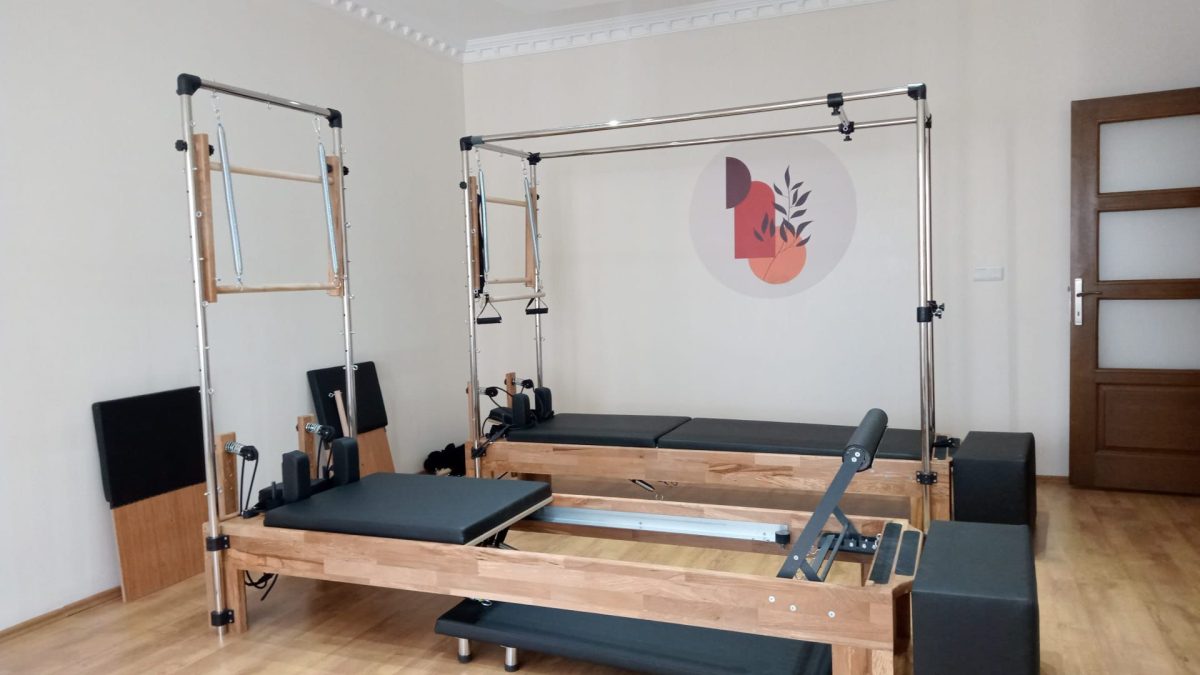
If your studio will combine mat Pilates and reformer work and space is limited, the tower reformer is a strong choice. However, for advanced trapeze work, full hanging positions and symmetrical upper-body exercises, the cadillac reformer offers a broader movement repertoire. For a detailed comparison, see our dedicated guide to the differences between the tower and cadillac reformer.
Decision Summary: Which Model Is Right for You?
When choosing a reformer, it's important to clearly define your needs. The summary table below lets you quickly compare three different models:
| Feature | Basic Reformer | Tower Reformer | Cadillac Reformer |
|---|---|---|---|
| Price | See product page | See product page | See product page |
| Structural Feature | No tower/cage | Tower on one side | Cage on all four sides |
| Vertical Resistance | None | Yes (one side) | Yes (both sides) |
| Trapeze / Push-Through | None | Limited | Full support |
| Typical Use | Core reformer work | Rehabilitation + functional training | Advanced studio + clinical |
| Set Includes | Box + Jump Board | Box + Jump Board | Box + Jump Board |
| Delivery | Included, fully assembled | Included, fully assembled | Included, fully assembled |
If you're just starting out and working with a tight budget, the basic reformer is a solid starting point. But if your work is focused on rehabilitation or clinical outcomes, the tower reformer is essential. If you want to go even further and maximise your studio's capacity, the cadillac reformer is the best investment.
Tower Reformer Training Protocols and Sample Exercise Series
Exercises performed on the tower reformer can be classified by anatomical region and plane of movement. Below are recommended training series for different goals:
Lumbar Stabilisation and Core Strengthening Series
This protocol is designed for individuals with lumbar instability or chronic pain, with a focus on multifidus and transversus abdominis activation. First, in a supine position with feet on the footbar and knees flexed at 90 degrees, pelvic tilt work is performed in coordination with the breath. Next, one leg is brought into a table-top position while the opposite leg slowly extends on the footbar. The lumbar spine must remain in a neutral, stable position throughout.
In the second step, the tower springs are attached to the ankle straps. In the supine position, "legs in straps" work is performed with controlled hip flexion-extension and abduction-adduction. Movement speed is kept slow with extended contraction time to develop motor control. The yellow and blue spring combination is often preferred for this series.
Scapular Control and Shoulder Rehabilitation Series
The tower reformer offers a versatile solution for conditions around the shoulder girdle. The first exercise is an arm spring exercise performed standing, connected to the tower springs. With hands on the spring handles and elbows slightly flexed, scapular retraction is initiated and the springs are pulled back. Throughout the movement the neck muscles stay relaxed, with focus entirely on the scapular stabilisers.
Using the push-through bar works the chest and anterior deltoid muscles while also developing control over scapular protraction. The movement is performed either seated or kneeling on the carriage while pushing the bar. Green or red spring resistance can be used for this exercise. For an advanced progression, one foot can be lifted during the push-through movement to add a single-leg balance challenge.
Lower Body Power and Plyometric Series
The jump board is one of the standard accessories included with the tower reformer set. For athletes seeking to improve athletic performance, jumping exercises on the jump board develop reactive strength and landing mechanics. Start with double-leg jumps, then progress to single-leg, staggered-leg and rotational jumps.
Resistance settings are critical for plyometric work. Too much resistance slows jump speed and limits reactive power. Too little resistance leads to loss of control. The blue or green spring combination generally provides the optimal balance of jump speed and control. A standard protocol for jump board work is 3 sets of 10 reps, with 60 seconds of rest between sets.
Technical Factors to Consider When Buying a Tower Reformer
When buying a reformer, it's not just price that matters - technical specifications, ease of setup and warranty terms should all be considered. The Norden Reformer tower reformer model offers a transparent process from production through to delivery.
Production and Logistics Planning
Once an order is placed, production takes 9 business days. This covers the cutting and varnishing of the solid beech wood, assembly and quality control. The equipment isn't sent by standard courier - it's delivered by specialised freight, fully assembled, with delivery, taxes and duties included in the price.
The carriage bed arrives fully assembled. All you need to do is attach the tower to the bed and secure it with screws. Video support is provided for this process, and it typically takes 20-30 minutes to complete. No professional assembly service is required. For more details, see our delivery information page.
Warranty and Spare Parts Support
Norden Reformer provides a 2-year parts warranty on the tower reformer model. This warranty covers springs, bearings, upholstery materials and the footbar mechanism, ensuring the equipment maintains its performance even under heavy use. Damage resulting from user error is not covered under warranty.
If a spare part is needed, it ships immediately from stock and generally arrives within 3-5 business days. Technical support is available around the clock for any usage questions. For full details on warranty coverage and terms, visit our warranty terms page.
Common Mistakes and Safety Tips When Using a Tower Reformer
The tower reformer is extremely safe when used correctly. However, incorrect settings or poor technique can increase the risk of injury. Below are the most common mistakes and how to avoid them:
Spring Resistance Selection Errors
Using springs that are too heavy during rehabilitation leads to compensatory movement patterns. Dominant muscle groups take over instead of the target muscles, slowing down the treatment process. Always start with the lightest spring and increase resistance only once form and control are established.
Advanced athletes tend to make the opposite mistake. Working with springs that are too light fails to build strength and wastes time. After testing an individual's maximal strength, the instructor should aim for training at 60-70% intensity.
Footbar and Gearbar Positioning Errors
Footbar height must be adjusted to the user's leg length. An incorrectly set footbar can cause excessive loading on the knee extensors or faulty lumbar flexion. As a general rule, the knees should be at 90 degrees of flexion when the feet are on the footbar.
Gearbar position determines the carriage's range of motion. Shorter range is preferred at the start of rehabilitation, with distance increasing as progress is made. The gearbar locking screw should be checked before every session - a loose screw can cause serious injury.
Incorrectly Attached Tower Springs
Tower springs should always be threaded through the metal hooks and double-checked. An incorrectly attached spring can suddenly release and cause injury. Especially during overhead work, it is vital that spring attachment points are secure and tight.
Tower spring height should be adjusted according to the biomechanical angle of the shoulder and hip joints. A position that's too high increases the risk of shoulder impingement. A position that's too low provides insufficient resistance for hip flexion.
Cost Analysis and Return on Investment for a Tower Reformer
For a studio owner or clinical physiotherapist, a tower reformer investment should be evaluated both in terms of patient/client satisfaction and revenue growth. For current pricing on the Norden Tower Reformer, see the product page - delivery is included in the price.
Studio Revenue Projection
A single tower reformer can accommodate an average of 6 sessions per day. Depending on your local session pricing, this translates into meaningful daily and monthly revenue potential. Under ideal conditions, the equipment cost can be recovered within as little as a month - though with realistic occupancy rates of around 60-70%, the payback period typically falls between 2-3 months.
Maintenance costs over the equipment's lifespan are very low. Estimated annual maintenance (spring replacement, upholstery supply) is modest, and over a 10-year service life, total maintenance cost is negligible compared to the revenue potential the equipment generates.
Home Use and Personal Investment
The cost-benefit analysis differs for home users. Compared to the ongoing cost of private Pilates sessions, a tower reformer investment typically pays for itself within 5-6 months. The equipment can also be used by multiple family members over its lifespan.
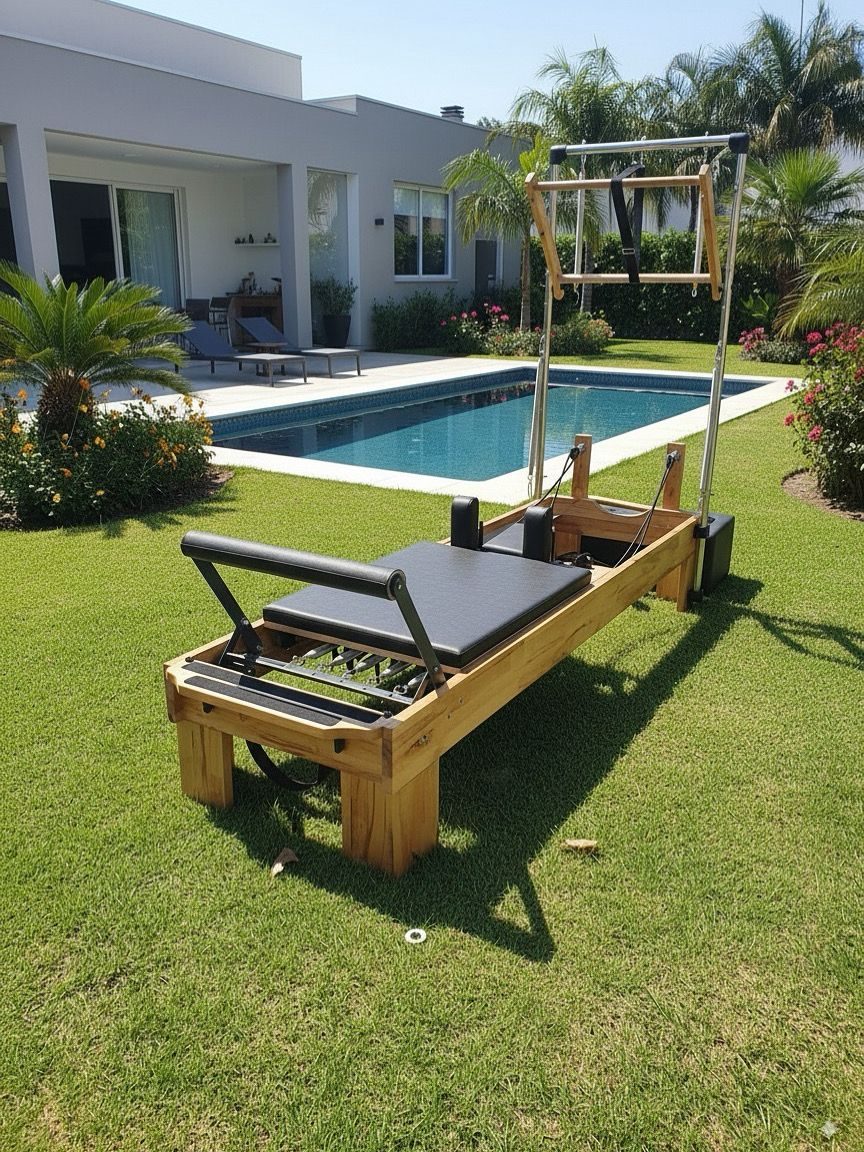
People who train regularly on a reformer at home often see a reduction in healthcare spending, particularly where chronic back or neck pain leads to physiotherapy or medication costs. These indirect savings add to the overall return on investment.
Other Pilates Equipment That Pairs Well with the Tower Reformer
Expanding a studio's equipment range increases the variety of services offered and helps reach different client segments. The tower reformer can be integrated with other Pilates equipment to build more comprehensive training programmes.
Barrel and Tower Reformer Combination
The barrel is a supporting piece of equipment used for spinal extension and flexion movements. When combined with the tower reformer, spinal mobilisation and thoracic opening exercises become more effective. In kyphosis correction protocols especially, back extension work on the barrel combined with the supportive resistance of the tower springs optimises the strength of the spinal extensors.
In combined work, the barrel can be placed on the carriage. In this position, the feet rest on the footbar while the torso extends over the barrel. The tower springs are attached to the upper body, providing simultaneous scapular stabilisation and spinal erector activation.
Reformer and Mat Pilates Integration
Mat Pilates exercises can be performed without equipment, but modifying them on the tower reformer adds resistance and support advantages. For example, the classic mat exercise "teaser" offers options for both easing and intensifying the movement when performed with tower springs. At beginner level, the springs provide assistance pulling upward; at advanced level, adding downward resistance increases core activation.
Roll-up, hundred and single-leg stretch - all basic mat movements - generate greater proprioceptive feedback when performed on the tower reformer. The carriage's sliding surface makes movement control more challenging, accelerating neuromuscular adaptation.
Advanced Techniques and Progression Strategies for the Tower Reformer
Once proficiency is achieved in basic movements, advanced techniques can increase training intensity. Progression isn't achieved through resistance alone - movement complexity, speed and stability challenges all play a role.
Single-Leg and Asymmetric Loading Work
Most functional movements are asymmetric and require single-leg stabilisation. Single-leg footwork series on the tower reformer develop both strength and balance parameters. With one foot on the footbar and the other held in a table-top position in the air, a squat movement is performed. The pelvis must stay level throughout, with no rotation.
In single-leg press work using the tower springs, one leg is attached to the spring while the other remains free. This maximises activation of the posterior chain muscles in the working leg, while the core stabilisers engage on the opposite side. This type of asymmetric work is critical in athletic rehabilitation and performance training.
Rotational and Multi-Planar Movements
The body is constantly exposed to rotational forces in daily life and sport. The tower reformer is an ideal platform for rotational-plane work. The kneeling side arm series targets the oblique muscles and quadratus lumborum. In a side-kneeling position, a handle attached to the tower springs is pulled diagonally across to the opposite side. This movement develops functional rotational power and spinal stabilisation.
Multi-planar work engages more than one plane of movement simultaneously. For example, a wood-chop movement performed with the tower springs while in a lunge position loads both the sagittal and rotational planes. Combinations like this maximise athletic performance and everyday functionality.
Tempo and Rhythm Variations
Movement speed and contraction time directly affect muscular adaptation. A slow tempo (4 seconds concentric, 4 seconds eccentric) develops motor control and proprioception. A fast tempo develops power and reactive strength. Using tempo variations in tower reformer work lets you target different muscle fibre types.
Rhythm-based work is particularly important in neurological rehabilitation. Rhythmic leg press series performed to a metronome improve motor planning and timing skills. This type of work is frequently used in rehabilitation following Parkinson's disease or stroke.
Budget Planning When Buying a Tower Reformer
Financial planning is important when investing in new equipment. Norden Reformer offers customers a straightforward purchasing process.
Pricing and Ordering
For the current price of the tower reformer, see the product page. Delivery, taxes and duties are included, and machines ship fully assembled - there are no hidden costs to plan for. Production is prioritised on confirmed orders, which is especially useful for studios working to an opening date.
Bulk-order pricing is available for institutional purchases. If you're ordering more than one tower reformer at a time, get in touch directly for custom pricing. Special rates are also available for physiotherapy centres and university departments.
Leasing and Rental Models
Some business owners choose leasing to reduce upfront capital outlay. Payment plans of 12-36 months can be arranged through leasing companies, with ownership of the equipment transferring once all payments are complete.
Rental options can also be considered for short-term projects or seasonal studios. However, over the long term, rental costs exceed the cost of purchasing outright. If you're planning to use the equipment for more than 6 months, buying is the more economical option.
Frequently Asked Questions
How much more functionality does a tower reformer offer compared to a basic reformer?
Compared to the basic model, the tower reformer offers vertical resistance sources and tower attachment points, providing a major advantage for upper-body, shoulder-girdle and suspended exercises. In rehabilitation protocols that require trapeze work, leg springs or the push-through bar, a tower reformer becomes essential. The basic reformer only allows for horizontal-plane training, while the tower reformer enables both horizontal and vertical planes. For functional movement training and postural correction, the tower reformer is far more comprehensive.
Do I need a special space to use a tower reformer at home?
The tower reformer has a footprint of 69×240 cm and stands approximately 190 cm tall. Because overhead movements on the tower require an extra 30-40 cm of clearance, ceiling height should be at least 230 cm. It's recommended to leave 50 cm of clearance on all sides for safe movement. In total, an area of around 3×4 metres is sufficient. The floor should be flat and stable, and surfaces with higher friction, such as carpet, are preferable. Placing a protective mat under the equipment on parquet or laminate flooring protects both the equipment and the floor.
How should the springs be maintained and how often should they be replaced?
The springs are the most critical mechanical component of the tower reformer and require regular checking. With daily use, springs gradually lose some of their tension and recoil ability. In intensive studio use (6+ sessions per day), it's recommended to replace springs every 12-18 months. For home use, expect a lifespan of 2-3 years. If rust, cracking or deformation appears on a spring's surface, it should be replaced immediately. After every session, check the hook attachment points of the springs, and request replacement parts if any wear or looseness is found. Springs don't require special lubrication, but they should not be stored in a damp environment.
Can pregnant women safely use a tower reformer?
Pilates work during pregnancy is generally considered safe, but tower reformer use depends on the trimester and individual circumstances. In the first trimester, before the centre of balance shifts, the tower reformer can be used safely. In the second and third trimesters, prolonged supine work should be avoided due to the risk of vena cava compression, with side-lying and seated exercises preferred instead. Overhead work and movements requiring deep core activation should be limited, especially for those at risk of diastasis recti. Always get medical clearance and work with an instructor certified in prenatal Pilates.
Do I need special certification to use a tower reformer in a physiotherapy clinic?
There is generally no legal requirement for specific certification for physiotherapists to use a reformer. However, certifications from accredited clinical Pilates and reformer training bodies improve professional competence and build patient trust. International certification programmes (such as PMA, Balanced Body or BASI Pilates) are good options to consider. Insurance providers and private healthcare organisations may also require certified staff. If you plan to offer clinical Pilates services, we'd recommend completing at least a 100-hour comprehensive reformer training course, which typically covers anatomy, biomechanics, pathology and exercise modification.
Conclusion: The Tower Reformer - Essential for Functional Rehabilitation and Advanced Training
The tower reformer is one of the indispensable pieces of equipment in modern Pilates studios and clinical rehabilitation centres. By combining horizontal and vertical resistance sources, it offers three-dimensional training that closely matches the body's natural movement patterns. It delivers evidence-based results, particularly in spinal health, postural correction, scapular stabilisation, functional movement training and neuromuscular rehabilitation.
The Norden Tower Reformer, with its premium solid beech wood frame, 304 chrome steel tower construction, quiet 8-wheel, 16-bearing mechanical system and antibacterial upholstery, is fully suited to intensive use. The price includes the box and jump board as part of a complete, ready-to-use package - see the product page for current pricing. A 2-year parts warranty and round-the-clock technical support back your investment.
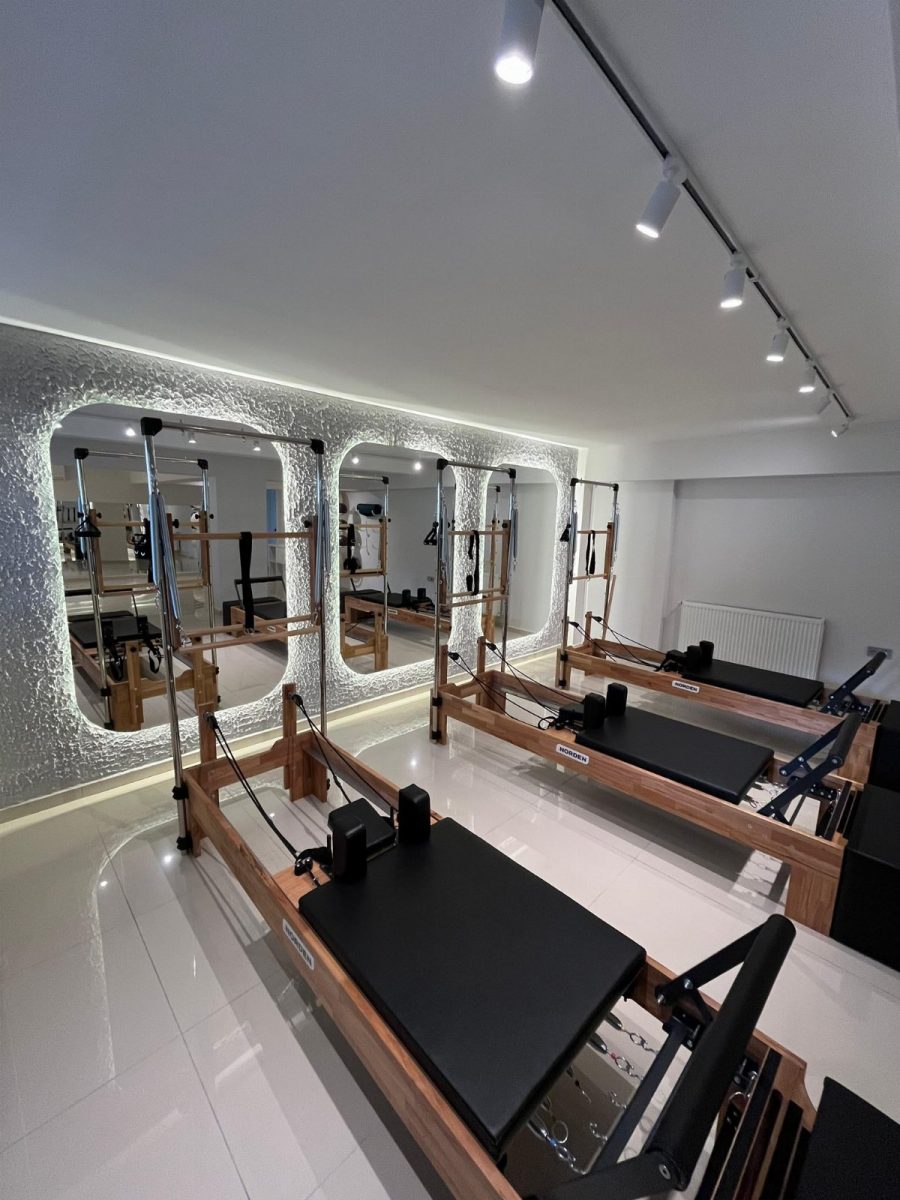
Whether you're setting up a new studio, expanding your clinical capacity, or want to train at a professional level at home, the tower reformer is the right choice. It increases patient/client satisfaction in rehabilitation, adds variety to training programmes, and delivers a strong return on investment in the long run. For detailed technical information and price comparisons, see our guide to all models and price ranges, or get in touch via our contact page with any questions.
Achieving your functional health, rehabilitation and performance goals is now much easier with the tower reformer. With the right equipment, the right training, and consistent practice, you can unlock your body's full potential.


