


Decision Guide: Which Material Is Right for You?
When buying a Pilates reformer, the most critical choice you'll face is whether the frame should be wood or metal. Rushing this decision affects both your budget and your training experience directly. Wooden reformers stand out for the natural stability and quiet, smooth motion provided by solid beech, while metal reformers offer light weight, foldability and a modern look. To work out which suits your needs, you should look closely at biomechanical performance, durability, hygiene standards and typical use cases.
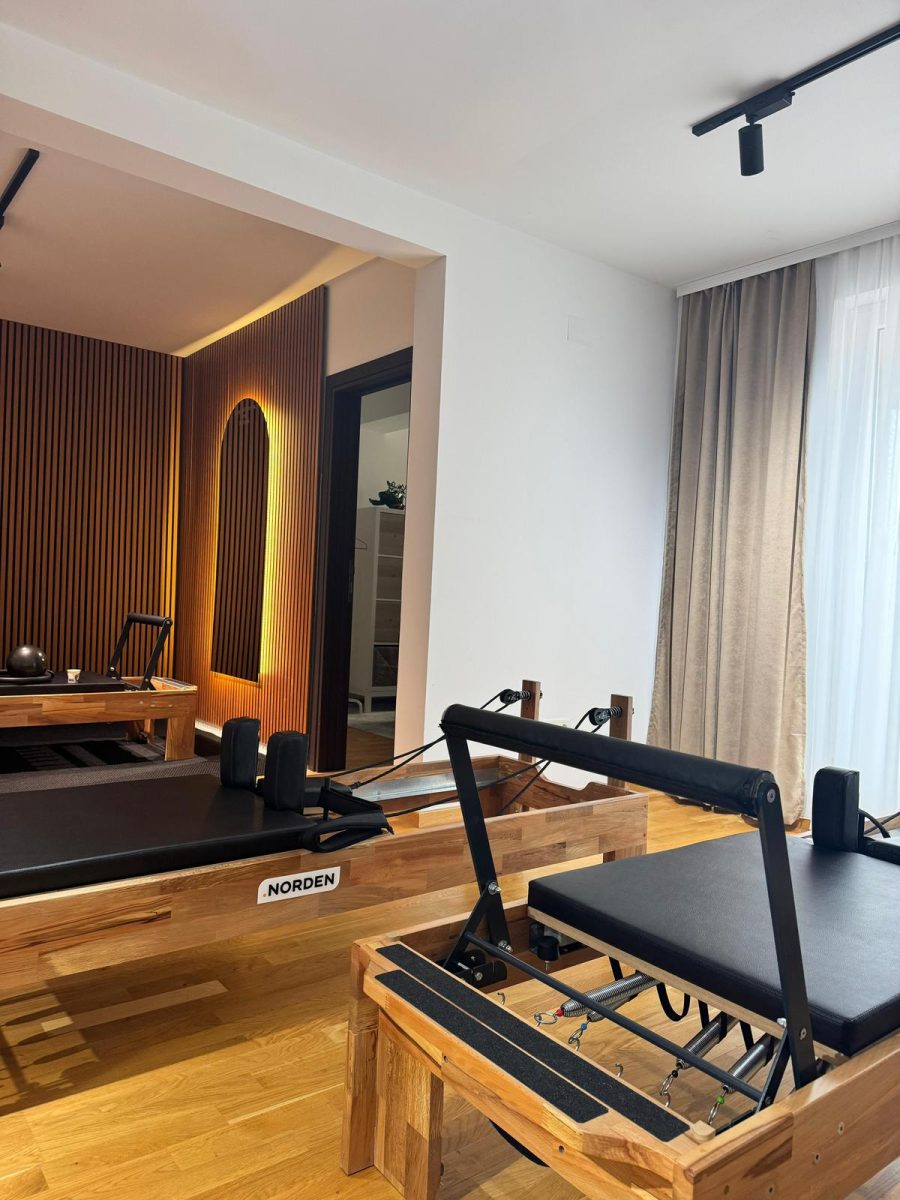
If you're setting up a new studio and planning 8-12 sessions a day, a wooden construction gives you the durability to last for years. If you want an equipment-based Pilates machine at home and space-saving matters most, a foldable metal alternative may make more sense. One thing to keep in mind, though: on metal reformers, frame sway and bearing lifespan tend to be lower than on wooden models. The comparison table below will help you see at a glance which material group fits your priorities.
| Feature | Wooden Reformer (e.g. Norden Tower/Cadillac) | Metal Reformer |
|---|---|---|
| Frame Weight | ~95-115 kg (solid beech) | ~45-70 kg (aluminium/steel alloy) |
| Stability (no wobble) | Excellent (heavy frame stays planted) | Moderate (slight vibration possible during movement) |
| Quietness | Very high (solid wood dampens resonance) | Moderate (metal-on-metal contact noise possible) |
| Lifetime Durability | 20+ years (under heavy use) | 10-15 years (weld points may weaken) |
| Hygiene and Cleaning | Protected from moisture by a 4-layer special varnish | Rust risk (with heavy perspiration) |
| Foldability | No (fixed construction) | Yes (most models) |
| Price | See the current price on the product page | See the current price on the product page |
| Portability | Difficult (bulky, requires special freight) | Easy (can fit in a car boot) |
| Bearing System | 8 wheels, 16 bearings (smooth, fluid motion) | 4-6 wheels (less load distribution) |
| Look and Prestige | Classic, professional studio look | Modern, minimalist design |
In short: if professional use, longevity and acoustic comfort are your priorities, go wood; if space flexibility and lower upfront cost matter most, metal is the choice. Still, read the technical details below before deciding.
The Biomechanical and Structural Strengths of Wooden Reformers
The Engineering Properties of Solid Beech
To understand why professional brands like Norden Reformer choose grade-A solid beech, it helps to look at the wood's structural properties. Beech is a hardwood with a density of roughly 680-720 kg/m³. This density means both high load-bearing capacity and low resonance (vibration transmission). On a metal frame, when the carriage snaps back quickly, you can hear a small "clink" as it hits the metal body. On solid wood, this sound is naturally absorbed, preserving the studio's acoustics.
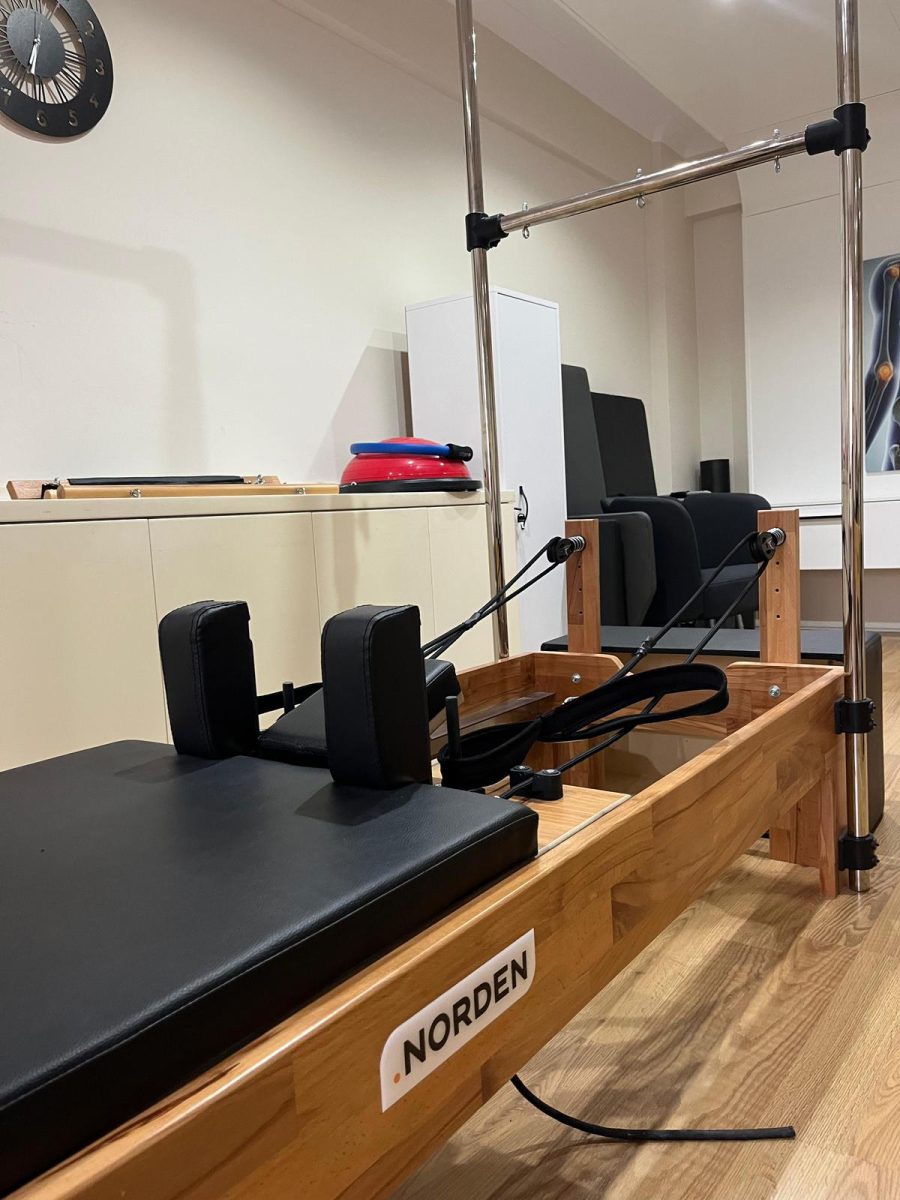
Thanks to the natural elasticity of the wood fibres, a wooden frame distributes hundreds of kilograms of load (for example, 180 kg of body weight plus spring resistance in heavy configurations) evenly. This extends the life of the screws and joints. On metal frames, load concentrates at weld points and screw holes, and fatigue cracks can develop there over time. The 4-layer special matte varnish used on Norden models seals the wood's pores, forming a moisture barrier. As a result, even in environments with heavy perspiration or humidity, the wood won't crack, swell or grow mould.
Quietness and User Experience
One of the biggest distractions during a Pilates session is the noise from the carriage moving along the rails. Wooden reformers virtually eliminate this thanks to their 8-wheel system combined with 16 bearings. Metal wheels running on metal rails can be noisy, especially during fast movements (such as jump board work). The combination of a wooden base and polymer-coated wheels gives a silent glide. If your studio walls aren't soundproofed, the instructor teaching next door won't even hear you.
On top of that, the 4-position adjustable footbar is more secure on a wooden frame. On metal frames, the footbar mechanism usually relies on a pin-lock system, and these pins can loosen over time. On a wooden frame, the footbar is held by sturdy metal brackets fixed with screws embedded into the wood itself. This completely removes the risk of the footbar sliding or wobbling during movement.
Durability and Maintenance Requirements
A wooden Cadillac or Tower reformer can last well over 20 years with proper care. Maintenance is simple: wipe it down with a damp cloth once a month and apply a beeswax-based wood conditioner twice a year. Metal reformers require regular lubrication at the bearing points, or the bearings can rust or start making noise. In seaside studios or high-humidity environments especially, metal frames corrode quickly.
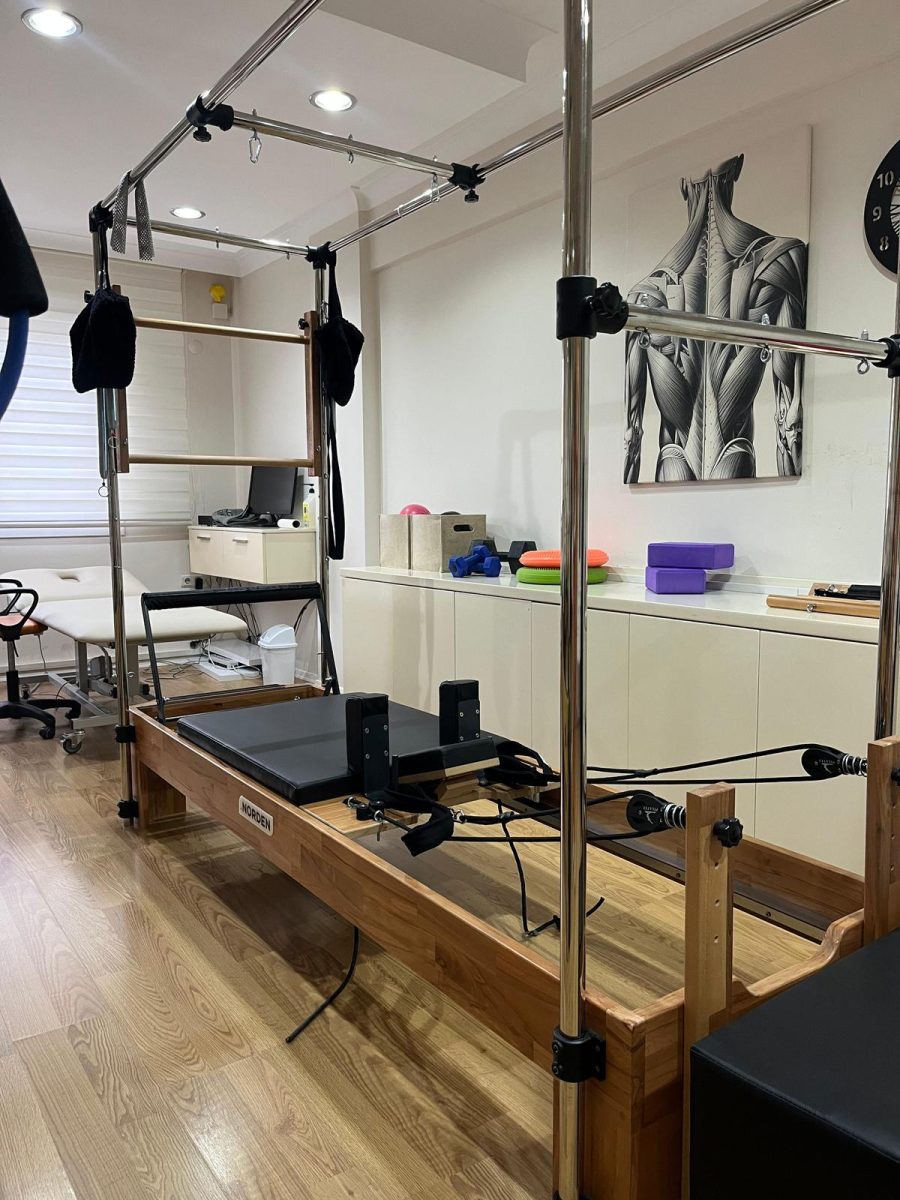
The 304 chrome steel tower system used on Norden models strikes a perfect balance with the wooden frame. The tower (on Tower or Cadillac units) is stainless steel and corrosion-resistant, while the wooden frame keeps the machine's centre of gravity low, preserving stability. On a fully metal reformer, the tower's weight isn't balanced by the frame, so the top of the machine can wobble slightly.
The Advantages of Metal Reformers and Where They Make Sense
Lightness and Mobility
The biggest advantage of metal reformers is portability and space-saving. Foldable metal reformers are designed specifically for home use and typically weigh 45-60 kg. This means one person can fold it up and tuck it behind a wardrobe or under the bed. If you don't have a dedicated Pilates room at home and have to work in the living room, a foldable metal model is a sensible choice. Just be aware: every fold-and-unfold cycle wears on the screws and hinges. After about 2-3 years, these points typically need tightening.
Metal reformers are rarely chosen in professional studio settings, since stability issues can arise under heavy use. However, for mobile Pilates instructors who travel to clients' homes, metal reformers can be a lifesaver—they fit easily in a car boot and take under 5 minutes to set up or pack away.
Upfront Cost and Budget-Friendly Options
Metal reformers are generally 30-40% cheaper than wooden models. This can be appealing for new studio owners who aren't yet sure about their cash flow. But you need to factor in total cost of ownership: on metal reformers, extra expenses such as bearing replacement, weld repairs and reupholstering can crop up within 3-5 years. With wooden reformers, the 2-year parts warranty and 20+ year lifespan mean lower cost per year of use overall.
If your budget is tight and you're looking for a home unit, a metal alternative may make sense — take a look at our foldable model. For professional use, though, a wooden frame is the better choice.
Modern Aesthetics and Minimalist Design
Metal reformers bring a minimal, industrial aesthetic to modern studio design. A black or silver metal frame pairs well with white upholstery and neon lighting. Boutique studios in particular often favour the matte surface of metal equipment for social media shots. Wooden reformers, on the other hand, create a classic, calm, natural atmosphere. Which suits your studio's identity better depends on what your target audience expects.
Biomechanical Performance: Which Material Gives a Better Workout?
Load Distribution and Joint Safety
The core function of a Pilates reformer is to create controlled resistance via springs, building strength while putting minimal stress on the joints. Frame stability is critical here. On wooden reformers, the frame's natural give absorbs load through tiny amounts of flex (micro-deformation). This offers extra protection for clients with knee or lower-back issues. Metal frames are rigid and transfer load directly to the bones.
For example, during footwork, when the feet press on the footbar, a wooden frame softly absorbs this pressure and reduces the sudden jolt as the carriage returns. On a metal frame, this motion stops more abruptly. This can cause joint discomfort for inexperienced users or clients in rehabilitation.
Spring System and Frame Material Interaction
The 5-spring resistance board (yellow, blue, green, red, black) used on Norden models lets you fine-tune resistance levels precisely. On a wooden frame, the spring-mounting hardware is secured with steel plates screwed into the solid wood. On a metal frame, the spring attachments are usually welded directly to the metal chassis. While a welded joint may look sturdier at first glance, the dynamic loads of the spring system (the pull-release cycle) can cause micro-cracks at the weld points over time. On a wooden frame, the screw-and-plate system distributes this load more flexibly.
That's why under heavy use (10+ sessions a day), wooden reformers can go for years without needing spring-hardware replacement. Metal reformers may need their spring fittings renewed after 2-3 years.
Hygiene, Cleaning and Long-Term Maintenance: Comparing the Two Materials
Sweat and Moisture Resistance
During Pilates sessions, clients sweat, and this perspiration gets onto the carriage surface, the frame and the tower system. The 4-layer special matte varnish applied to wooden reformers fully seals the wood's pores, preventing sweat from soaking in. The varnished surface can be wiped with antibacterial cleaning products without staining. On metal reformers, sweat can collect at weld points and screw holes, and rust can gradually form there — a hygiene issue as well as an aesthetic one.
Wood is also naturally antibacterial; the tannins in solid beech slow bacterial growth. Metal surfaces are neutral and more hospitable to bacteria. If keeping studio hygiene at the highest level matters to you, a wooden frame is clearly ahead.
Upholstery and Covering Materials
The grade-A antibacterial faux leather used on Norden models is standard across both wooden and metal reformers. However, the support structure underneath differs by material. On wooden reformers, the platform beneath the upholstery is also solid wood, eliminating any risk of sagging. On metal reformers, the base under the upholstery is usually thin plywood or MDF. Under heavy use (especially with clients over 90 kg), these panels can sag slightly and the upholstery can lose its shape.
Headrest and Shoulder Rest Ergonomics
A properly designed headrest and shoulder rest system is vital, especially for clients with neck issues such as disc problems or cervical conditions. On a wooden frame, the shoulder rest mounts are fixed into solid wood blocks and don't shift during movement. Norden shoulder rests are fixed and ergonomically shaped, while the headrest is adjustable across 3 positions for a tailored fit. On metal frames, the shoulder rest hardware is typically held by a screwed clip system, which can loosen over time and cause discomfort during movement.
Cost Analysis and Return on Investment: The Long-Term View
Upfront Investment and Payment Options
Looking at the Norden Reformer product range, here's what's on offer:
- Basic Reformer: see the current price on the product page
- Tower Reformer: see the current price on the product page
- Combo Cadillac Reformer: see the current price on the product page
Delivery, taxes and duties are included in the price, and machines ship fully assembled. Metal reformers are generally cheaper upfront and may look appealing at first glance. But run the numbers over the long term:
| Cost Item | Wooden Reformer (10 Years) | Metal Reformer (10 Years) |
|---|---|---|
| Initial Purchase Cost | Higher upfront price | Lower upfront price |
| Bearing Replacement (x2) | Covered under warranty | Additional cost |
| Spring Hardware Renewal | None needed | Additional cost |
| Weld Repairs | None needed | Additional cost |
| Upholstery Replacement | One-off cost | One-off cost (same) |
| Total 10-Year Cost | Lower overall | Higher overall once repairs are added |
| Resale Value (After 10 Years) | Retains strong resale value | Retains very little resale value |
| Net Cost (After Resale Value) | Lower | Higher |
As you can see, over 10 years a wooden reformer ends up with a lower net cost. It also retains more of its value on the resale market, while a metal unit depreciates quickly.
From a Studio Owner's Perspective
If you're planning to open a Pilates studio, cost per unit is a critical factor. For a 6-reformer studio, choosing wood means a higher upfront investment. But considering these machines will run maintenance-free for 20 years and that clients will appreciate the quiet, comfortable experience, this investment typically pays for itself within 3-4 years.
If you start with metal reformers instead, you may need to replace them around year 5 — pushing your total cost back up.
Technical Specifications and Equipment Details: Norden Reformer Standards
Dimensions, Weight and Logistics
Norden Reformer wooden reformer models have the following physical specifications:
- Frame Dimensions: 69×240×40 cm
- Tower Dimensions: 79×190 cm (on Tower and Cadillac models)
- Total Weight: approximately 95-115 kg
This weight guarantees the machine's stability, but it does require special handling for delivery. Delivery, taxes and duties are included in the price, and machines ship fully assembled to your door. The carriage base arrives pre-assembled; you only need to attach and tighten the tower section. It's a simple process, and video support is provided, so even without any assembly experience you can finish the job in 20-30 minutes.
Metal reformers are generally shipped by standard courier and assembled by the buyer. One thing to watch for is impact damage during transit — while the metal frame itself resists knocks, the rails and bearings can be affected.
Warranty and After-Sales Support
Norden Reformer offers a 2-year parts warranty. This means any part that fails within the first 2 years is replaced free of charge. Metal reformer suppliers typically offer only a 1-year warranty, and sourcing spare parts can be a challenge. On wooden reformers, standard parts (bearings, springs, footbar locking mechanism) are easy to find since they're universal.
What's Included: Accessories
All Norden Reformer models come with a Box and a Jump Board included, so you get a complete set with no extra cost. On metal reformers, these accessories are usually sold separately. The Box is essential for Side Arm series work and balance exercises; the Jump Board adds cardio intensity and builds lower-body plyometric power.
Cadillac and Tower models also come standard with the 304 chrome steel tower system, which lets you perform trapeze bar, push-through bar and leg spring work. Metal reformers typically don't offer a tower option, or it's priced very high if they do.
Cadillac vs Tower: Which Tower System Suits You?
Tower Reformer: Single-Sided Tower Structure
On the Tower Reformer, the tower structure sits at just one end of the machine. This gives a more compact design, ideal for smaller studios. On the Tower you can do:
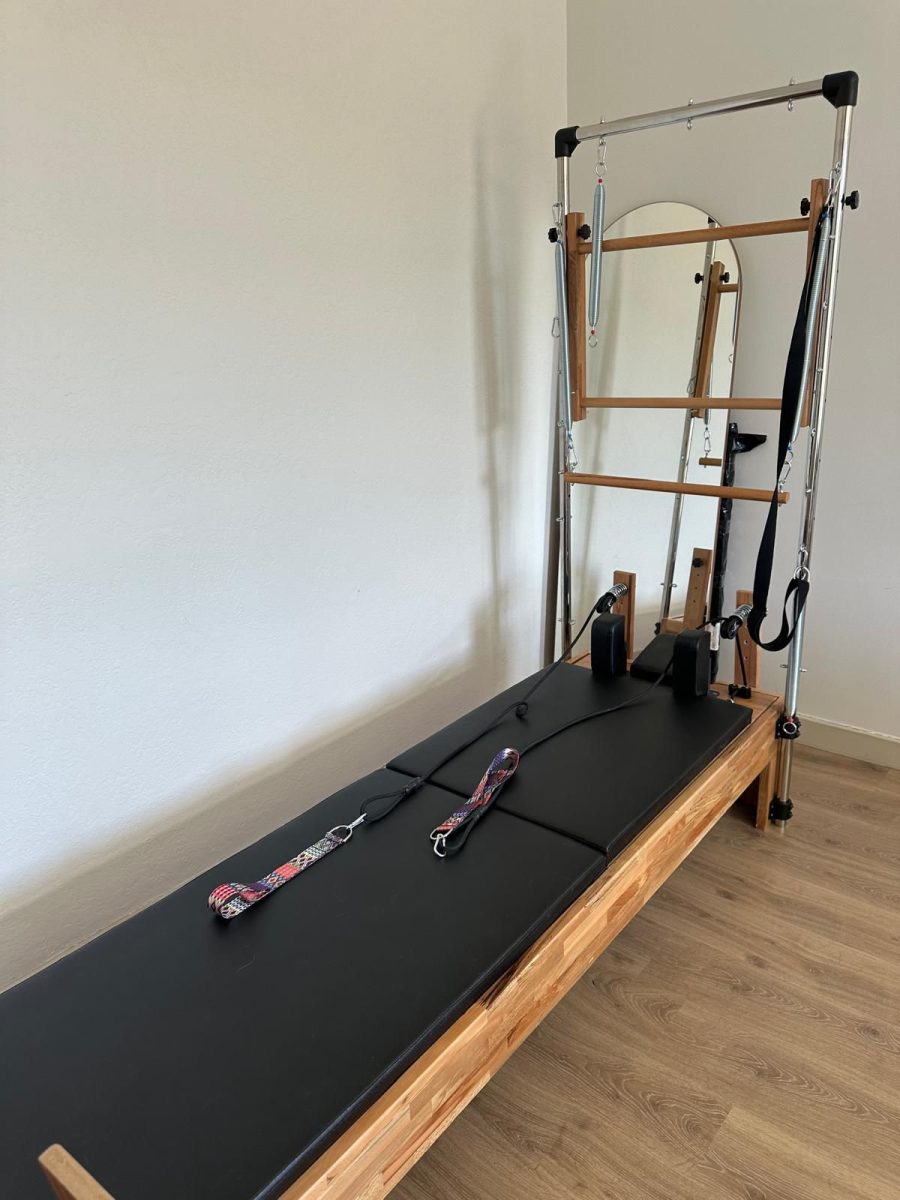
- Roll-down bar work (spinal flexion and extension)
- Leg springs (flexibility and strengthening)
- Arm springs (upper-body stabilisation)
- Push-through bar (chest opener and back strengthening)
The Tower is a mid-tier investment — see the current price on the product page. If your studio has a low ceiling or limited space, the Tower is your most practical option. That said, some advanced exercises (such as hanging pulls) require a full cage structure.
Cadillac Reformer: Full Cage System
The Cadillac Reformer has a tower structure on both sides and overhead, giving you 360-degree freedom of movement — ideal for rehabilitation and advanced, acrobatic Pilates work. On the Cadillac, you can also do:
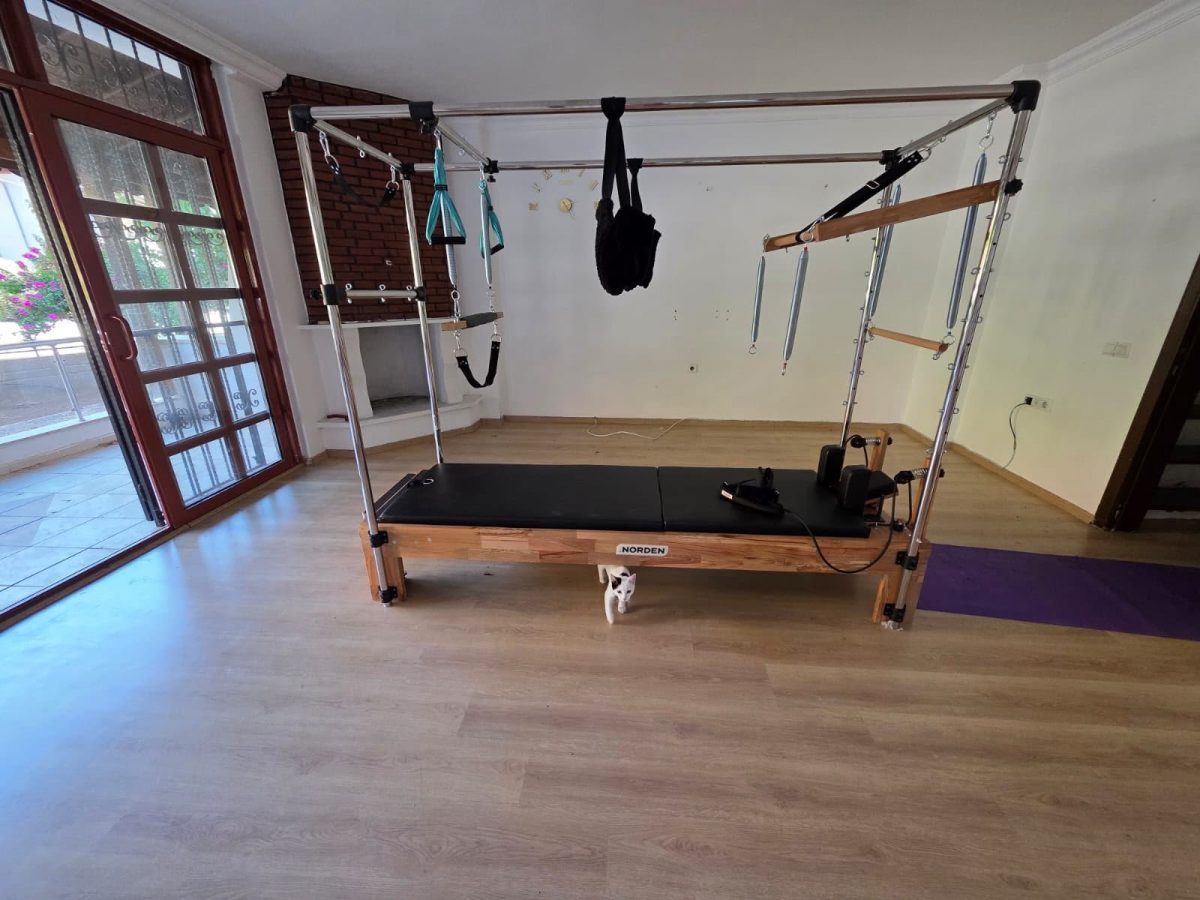
- Hanging series (integrating the core and back muscle chains while suspended)
- Trapeze bar work for upper-body mobilisation
- Side split work (balancing adductors and abductors)
- Spinal decompression techniques
The Cadillac is our most comprehensive model — see the current price on the product page. If your client base includes athletes, rehab patients or advanced Pilates enthusiasts, the Cadillac offers an endless range of exercise combinations. Metal reformers rarely come in a Cadillac configuration, since the cage structure puts too much load on a metal frame and creates stability issues.
Use-Case Scenarios: Who Should Choose Wood, Who Should Choose Metal?
Physiotherapists and Clinical Pilates Instructors
If you're a physiotherapist planning to buy a reformer for clinical, rehabilitation-focused use, a wooden reformer is essential. Most of your clients will have joint issues, muscular imbalances, or be recovering from surgery. In these cases, the stability, quietness and load distribution of the machine matter enormously — even the slight vibration of a metal reformer can be uncomfortable for a client with a knee replacement.
Clinical settings also tend to have strict hygiene protocols. Wooden surfaces with antibacterial varnish hold up fine even when wiped with disinfectant several times a day. Metal surfaces risk rusting when exposed repeatedly to alcohol-based disinfectants.
Home Users and Hobbyist Practitioners
If you'll only be using it 3-4 times a week for your own personal training and your budget is tight, a foldable metal reformer can make sense. Just remember: a metal reformer typically lasts around 10-12 years and has very low resale value. If you buy a wooden Basic Reformer, it will retain around 40% of its value even after 20 years, which you could recoup by reselling it — helping to balance out the net cost.
Quietness also matters a lot when exercising at home. To avoid disturbing your neighbours, a wooden reformer is the better fit — jump board work in particular can be quite loud on a metal reformer.
Boutique Studio Owners and Entrepreneurs
If you're opening a new studio and want to keep your brand positioned at a premium level, wooden reformers are a must. Clients can sense the quality the moment they touch the equipment — the texture, weight and look of solid wood convey professionalism and trust. Metal reformers tend to be more common in chain gyms or lower-cost group classes.
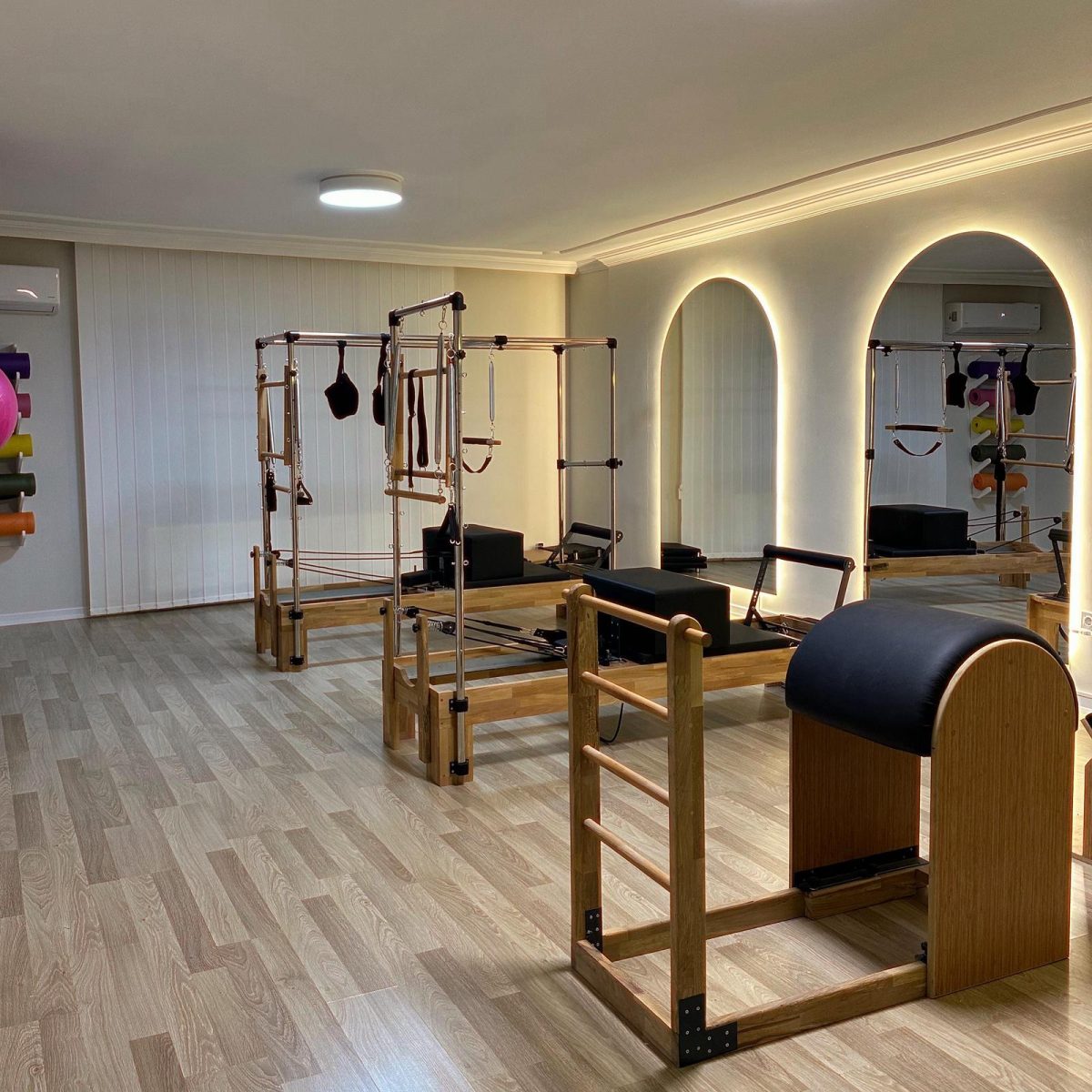
Wooden equipment also tends to photograph better for social media — the natural wood tone looks polished even without filters, which is a plus for Instagram reels and TikTok videos.
The Science Behind It: Materials Science and Biomechanics
Elastic Modulus of Wood vs Metal
In materials science, the elastic modulus (Young's modulus) describes how rigid or flexible a material is. Solid beech has an elastic modulus of roughly 12-14 GPa, while steel alloys sit around 200 GPa — meaning steel is roughly 15 times more rigid. For a Pilates machine, this means a wooden frame flexes at a micro level to absorb load, while a steel frame transmits it directly. As a result, wooden frames produce lower peak stress spikes on the joints.
A 2018 study published in the Journal of Biomechanics looked at the effect of different surface stiffness levels on the knee joint and found that softer surfaces (including wood) reduced joint load by 12-18% — an important consideration for people with osteoarthritis.
Acoustic Performance and Studio Ergonomics
In acoustic engineering, resonant frequency determines how much sound a material transmits. Metal frames resonate in the 1000-4000 Hz range — right where human hearing is most sensitive. Wood resonates in the 200-800 Hz range, which the human ear perceives as far less intrusive. That's why the sound of the carriage moving on a wooden reformer is almost inaudible.
Frequently Asked Questions
1. Does a wooden reformer get affected by moisture, and is there a risk of cracking?
The 4-layer special matte varnish used on Norden Reformer models fully seals the wood's pores, providing complete protection against moisture. There's no risk of cracking, swelling or mould, even with perspiration, damp towels or humid environments. That said, avoid spraying water directly onto it or leaving wet items on the surface. Applying a wood-conditioning varnish once a year strengthens this protection further.
2. Isn't a metal reformer more practical since it folds?
Foldability is an advantage for home users, but every fold-and-unfold cycle wears on screws and hinges, which typically need attention after 2-3 years. Folding reformers are never recommended for professional use, as they can introduce stability issues. If you won't actually be folding the machine often, foldability offers little benefit and just adds mechanical complexity.
3. Does a wooden reformer lose value when resold?
Wooden reformers, especially from professional brands like Norden, hold their resale value well. A 5-year-old wooden reformer can sell for 50-60% of its original price, compared to around 15-20% for a metal reformer. This is largely because wood lasts longer and buyers trust the material.
4. There's a price gap between Cadillac and Tower — what's the functional difference?
On the Tower, the tower structure sits at just one end, letting you do core tower exercises (roll-down bar, leg springs, arm springs). The Cadillac has a full cage, giving you 360-degree freedom of movement. If your clients need rehabilitation or advanced, acrobatic Pilates work, the Cadillac is essential. If your studio has high ceilings and the budget allows, go straight for the Cadillac — it roughly doubles your exercise library.
5. How does delivery and assembly work — is it difficult to set up?
Delivery, taxes and duties are included in the price, and your machine is delivered fully assembled to your door. The carriage base arrives pre-assembled — you just need to attach and tighten the tower section. Video support is provided, and the whole process takes 20-30 minutes. No technical knowledge or special tools are required; the included Allen key is all you need. See the shipping and delivery page on our site for more details.
Conclusion: Which Is the Right Choice for You?
The choice between a wooden and a metal reformer comes down to your use case, budget and long-term goals. If you run a professional studio, work as a physiotherapist, or are building a serious career as a Pilates instructor, a wooden reformer is the only sensible choice. The stability, quietness, hygiene advantages and 20+ year lifespan of solid beech more than justify the slightly higher upfront investment. Clients sense the quality the moment they touch the equipment, which reinforces your brand's value.
If you'll be using it at home a few times a week and space is tight, a foldable metal reformer can be functional. But even here, it's worth doing the long-term maths: over 10 years, the total cost of a metal reformer (maintenance plus depreciation) ends up nearly on par with a wooden one — and the workout experience on metal is generally less comfortable and noisier.
With delivery, taxes and duties included in the price, investing in a Norden Reformer wooden machine is more accessible than ever. Choosing a Tower Reformer or Cadillac Reformer is a professional investment that secures both client satisfaction and your own long-term profitability. Remember: choosing your Pilates equipment isn't just an equipment purchase — it's one of the clearest signals of your brand identity, service quality and professionalism.
If you're still unsure, take another look at your studio's needs and client profile. And if you're still on the fence, get in touch with Norden Reformer for product advice tailored to your specific situation. The right choice is an investment that will support your Pilates journey for decades to come.


